

The mountain above the savannah
5,895 metres, seven routes, five climate zones and a fee counted per 24 hours, referenced with TANAPA, UNESCO and the CDC.
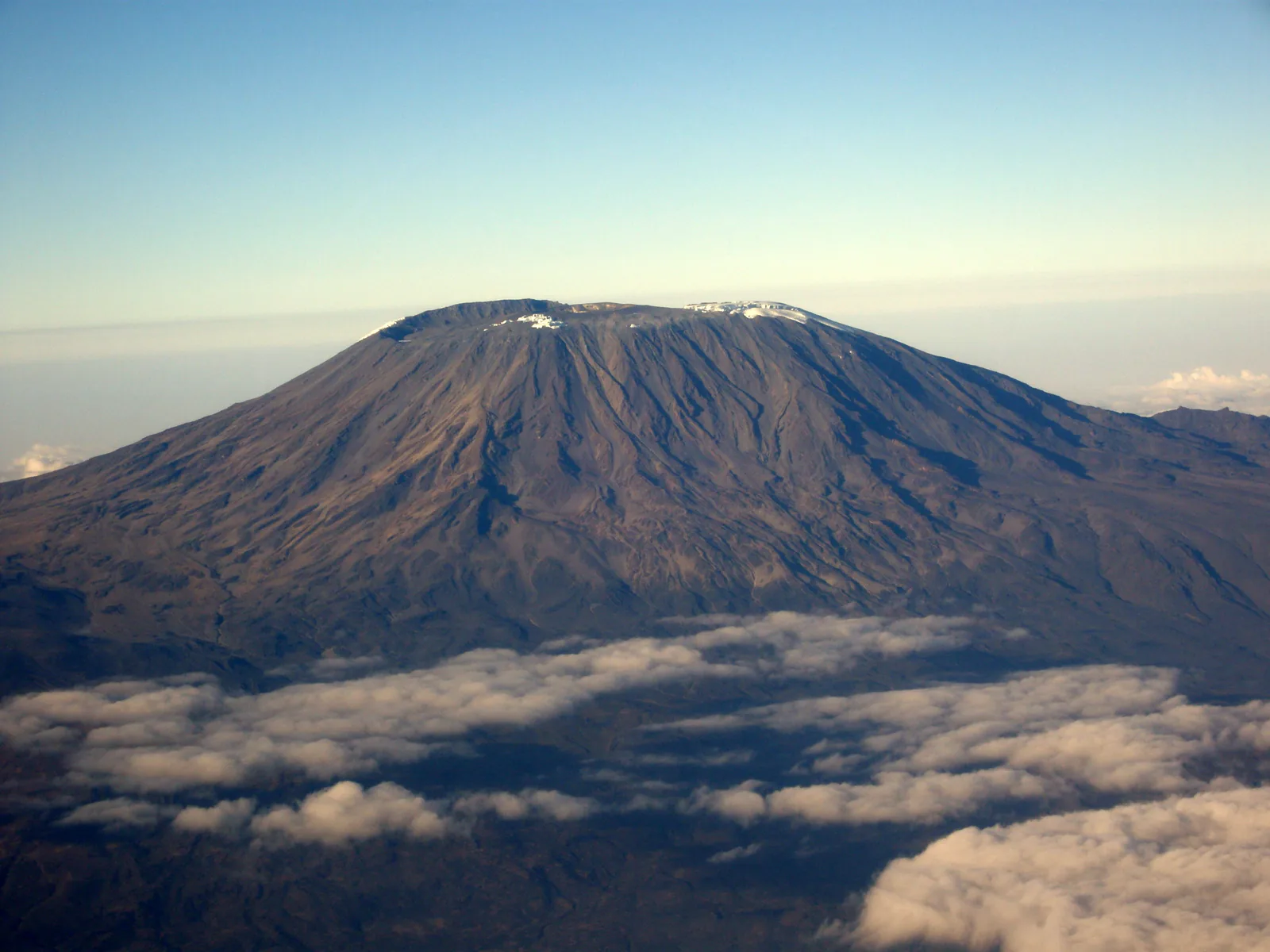
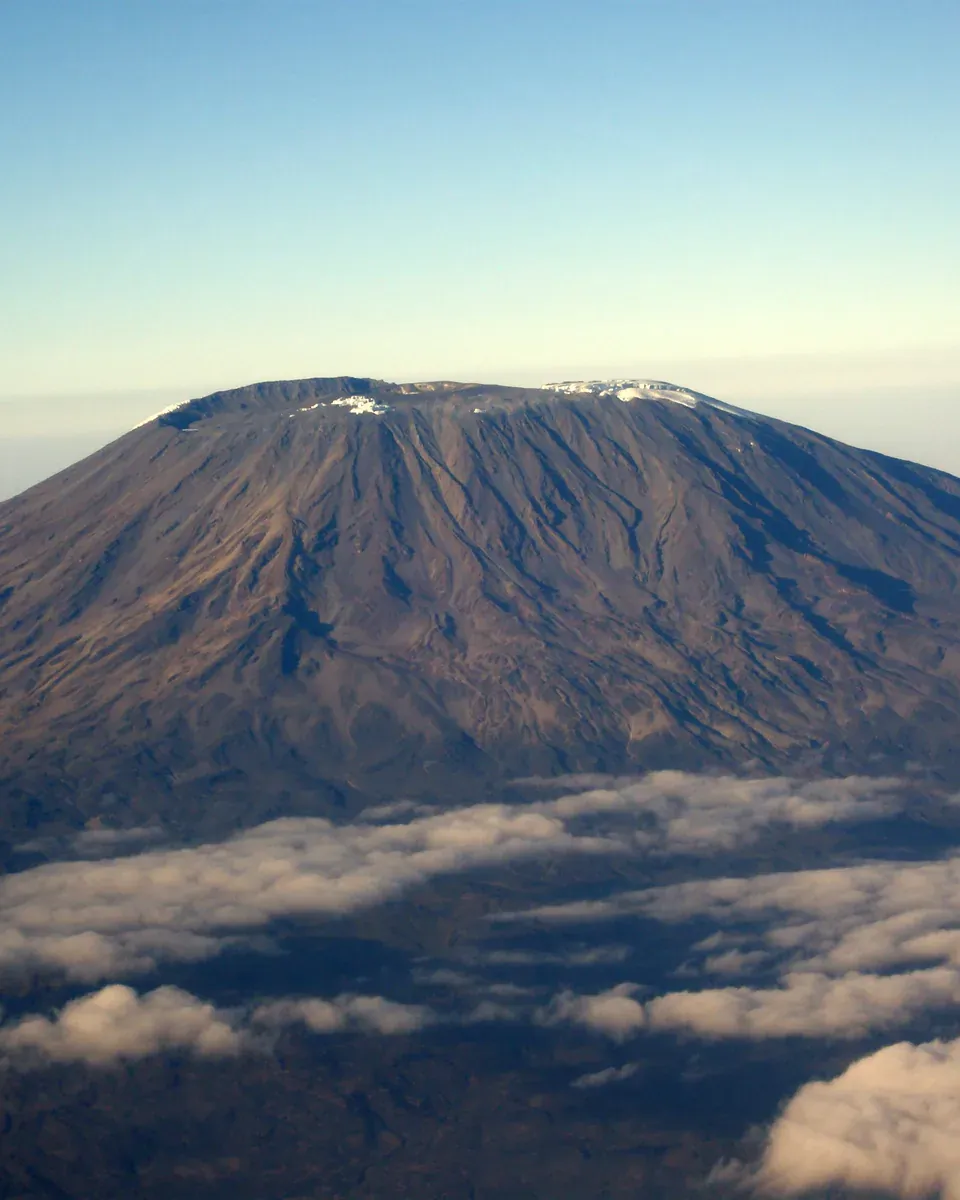
Kilimanjaro is the highest mountain in Africa and the largest free-standing volcanic mass in the world: Kibo with Uhuru Peak rises 4,877 metres (16,001 ft) above the plains to 5,895 metres (19,341 ft). The national park covers 1,712 square kilometres, is managed by Tanzania National Parks and has been a World Heritage site since 1987.
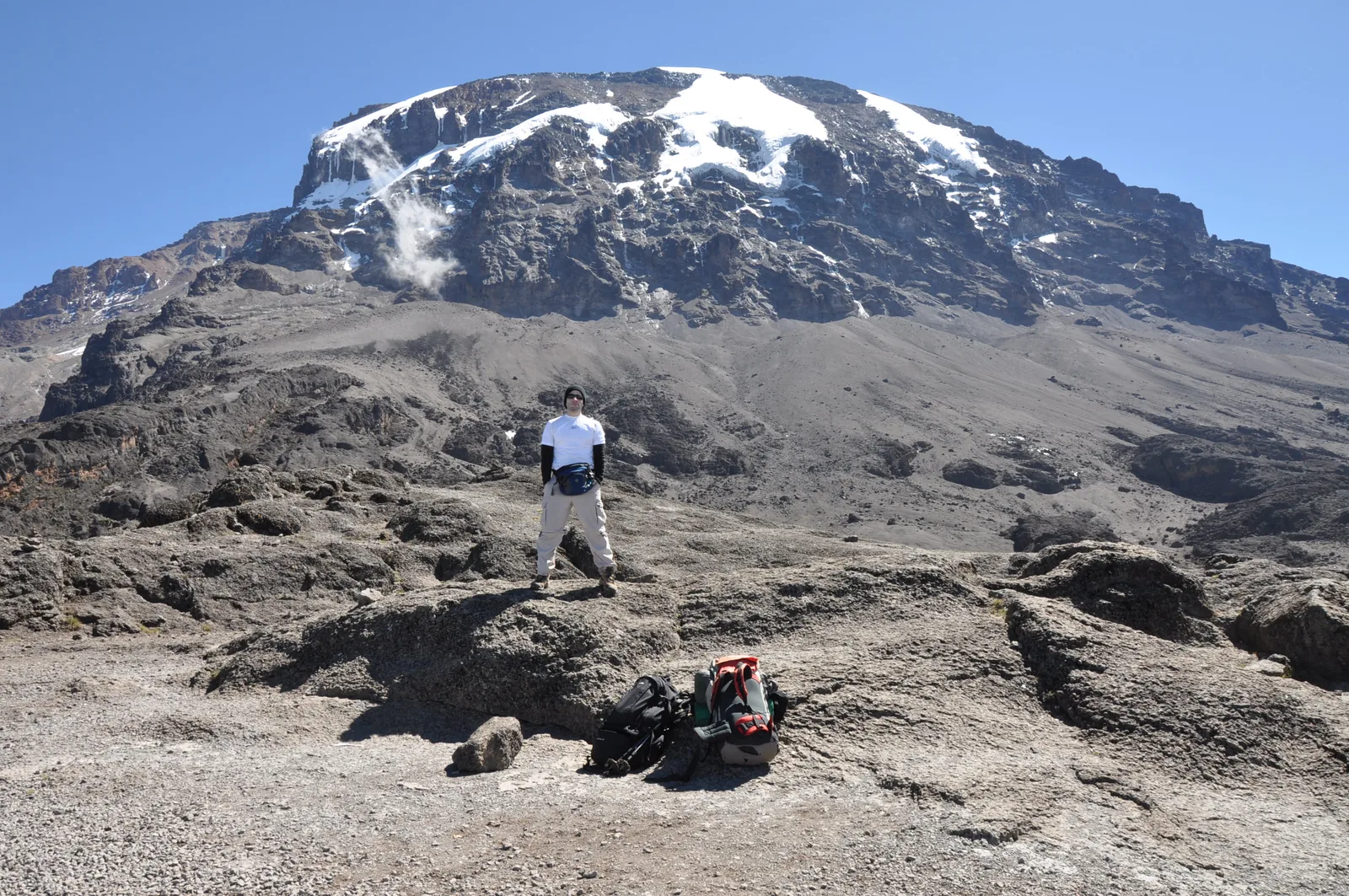
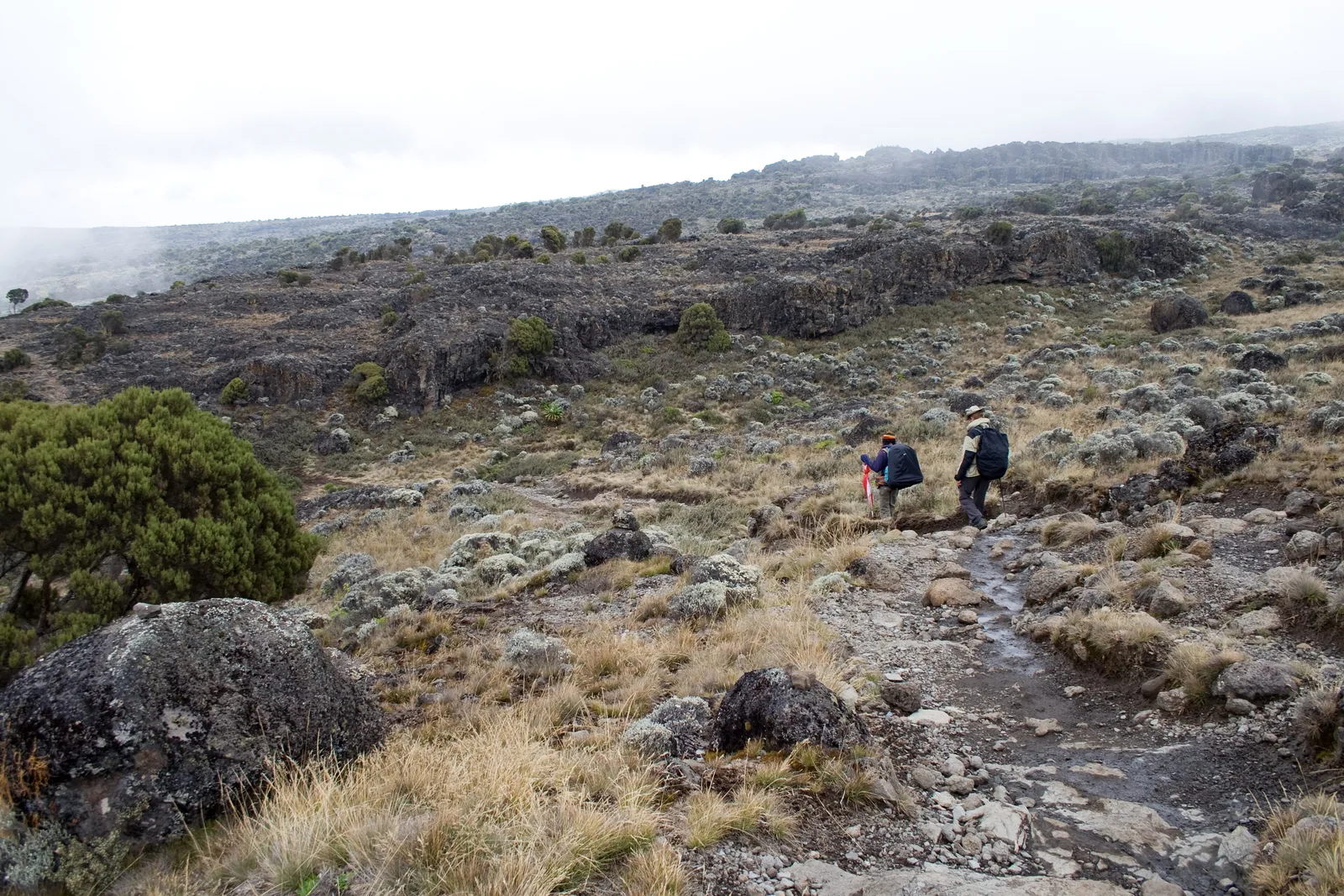
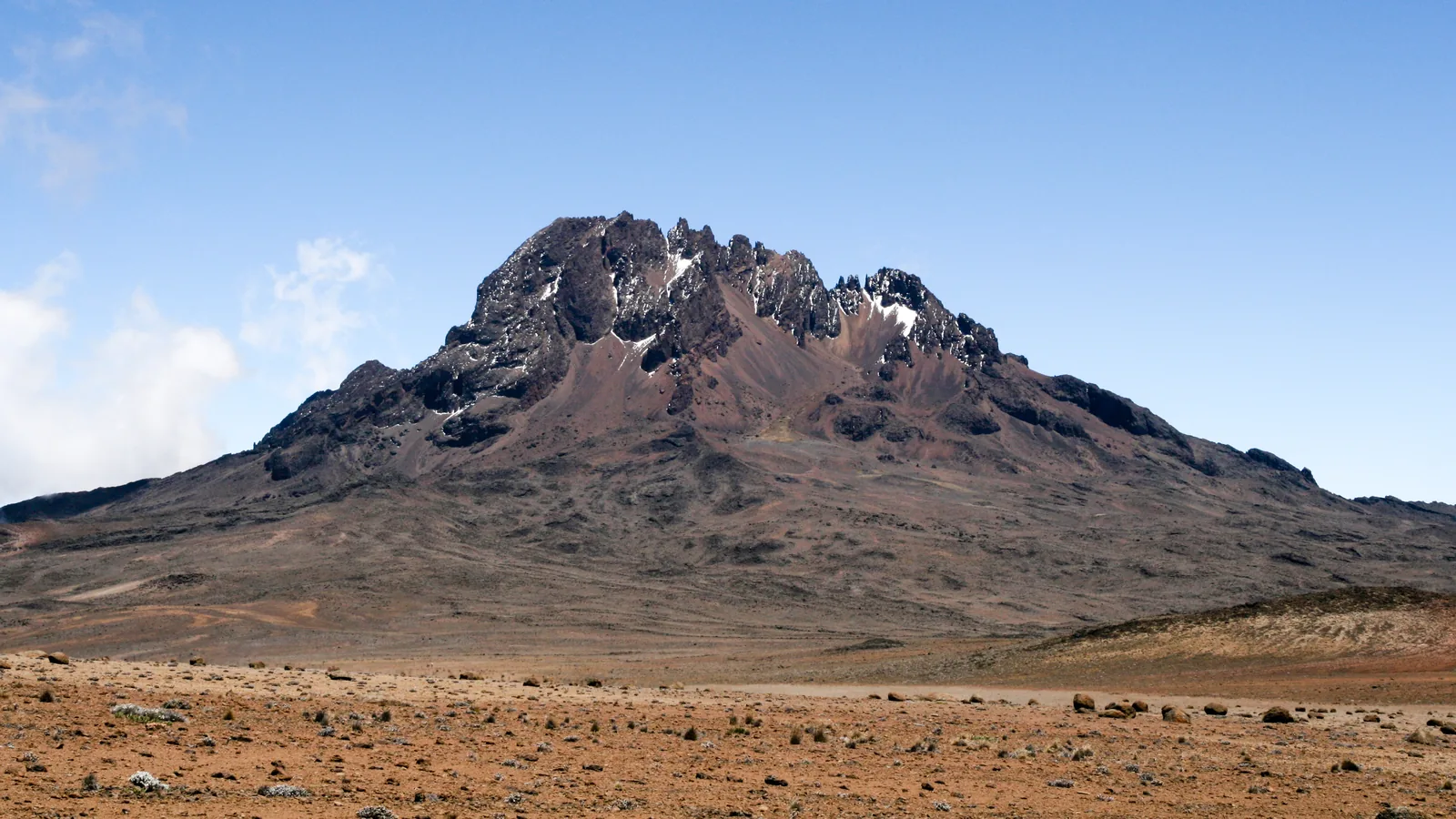
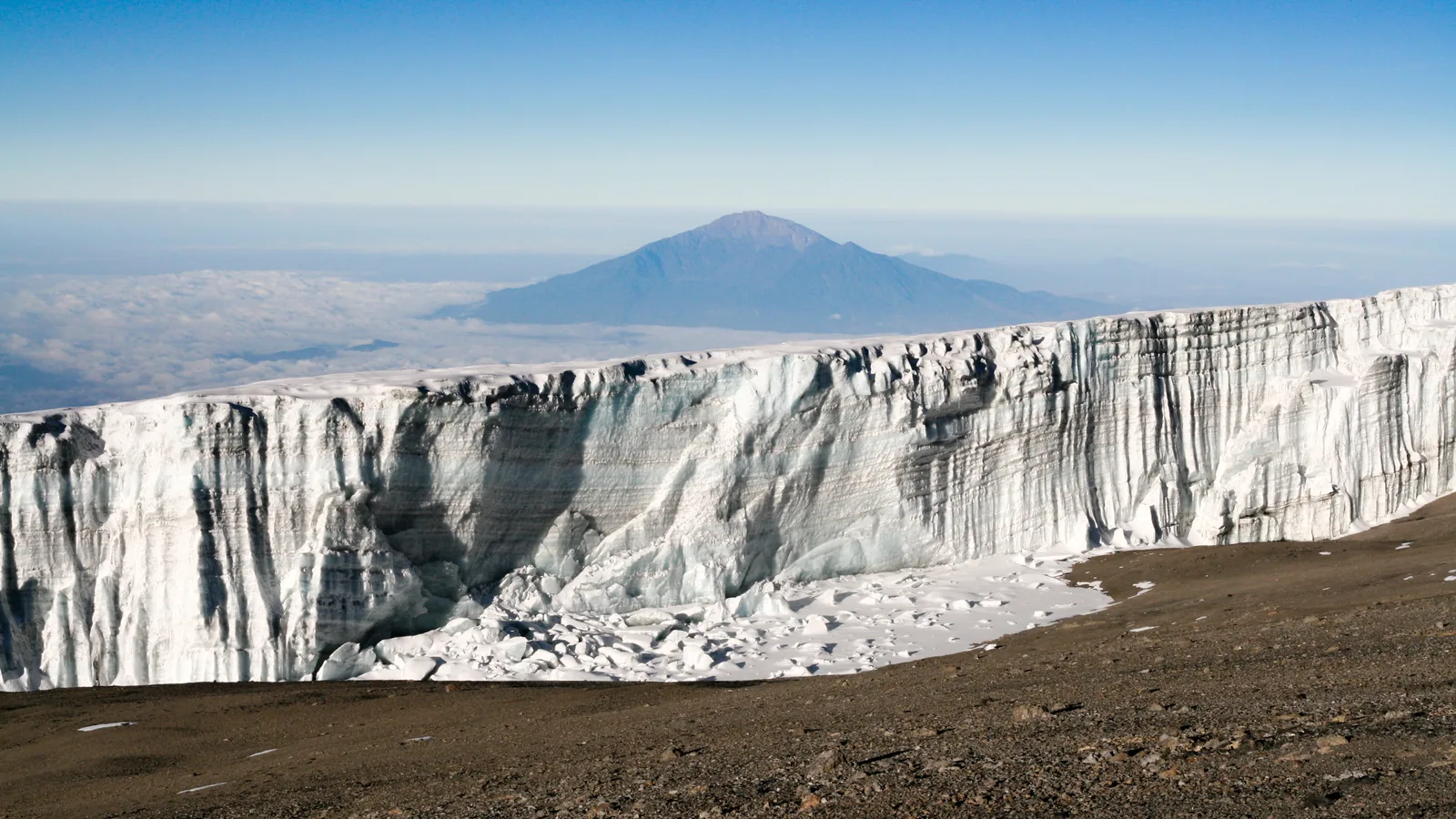
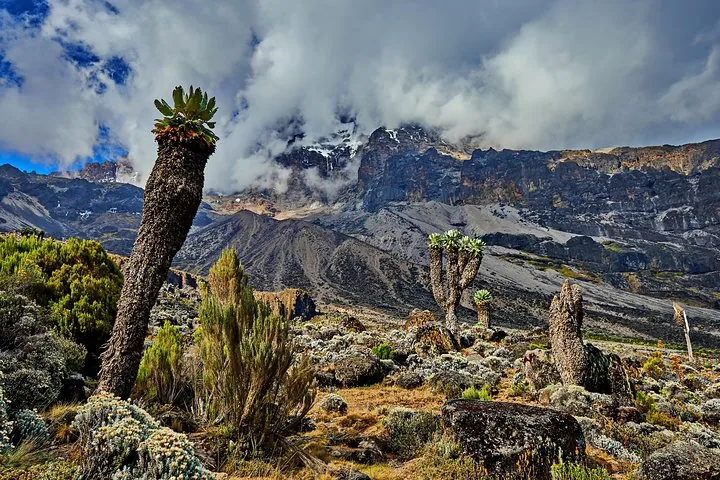
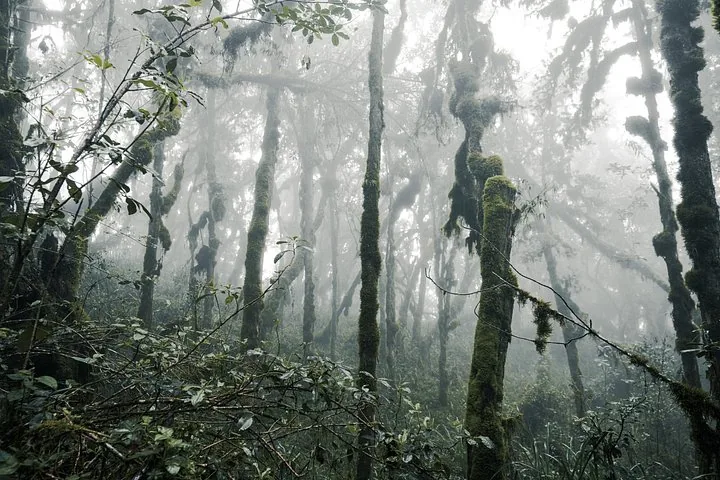
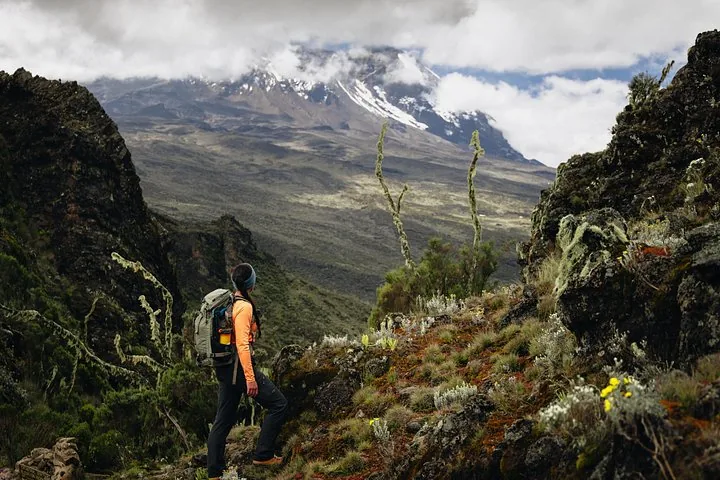
Above the savannah the mountain rises through a closed belt of montane forest between 1,800 and 2,800 metres (5,906 and 9,186 ft), then through heath and moorland, through an alpine desert of scree and lava to the summit zone, which carries snow all year. The authority compares the climb to a journey from the equator to the Arctic. Three volcanoes form the massif: Kibo with Uhuru Peak, the jagged Mawenzi at 5,149 metres (16,893 ft) and the plateau of the collapsed Shira at 3,962 metres (12,999 ft).
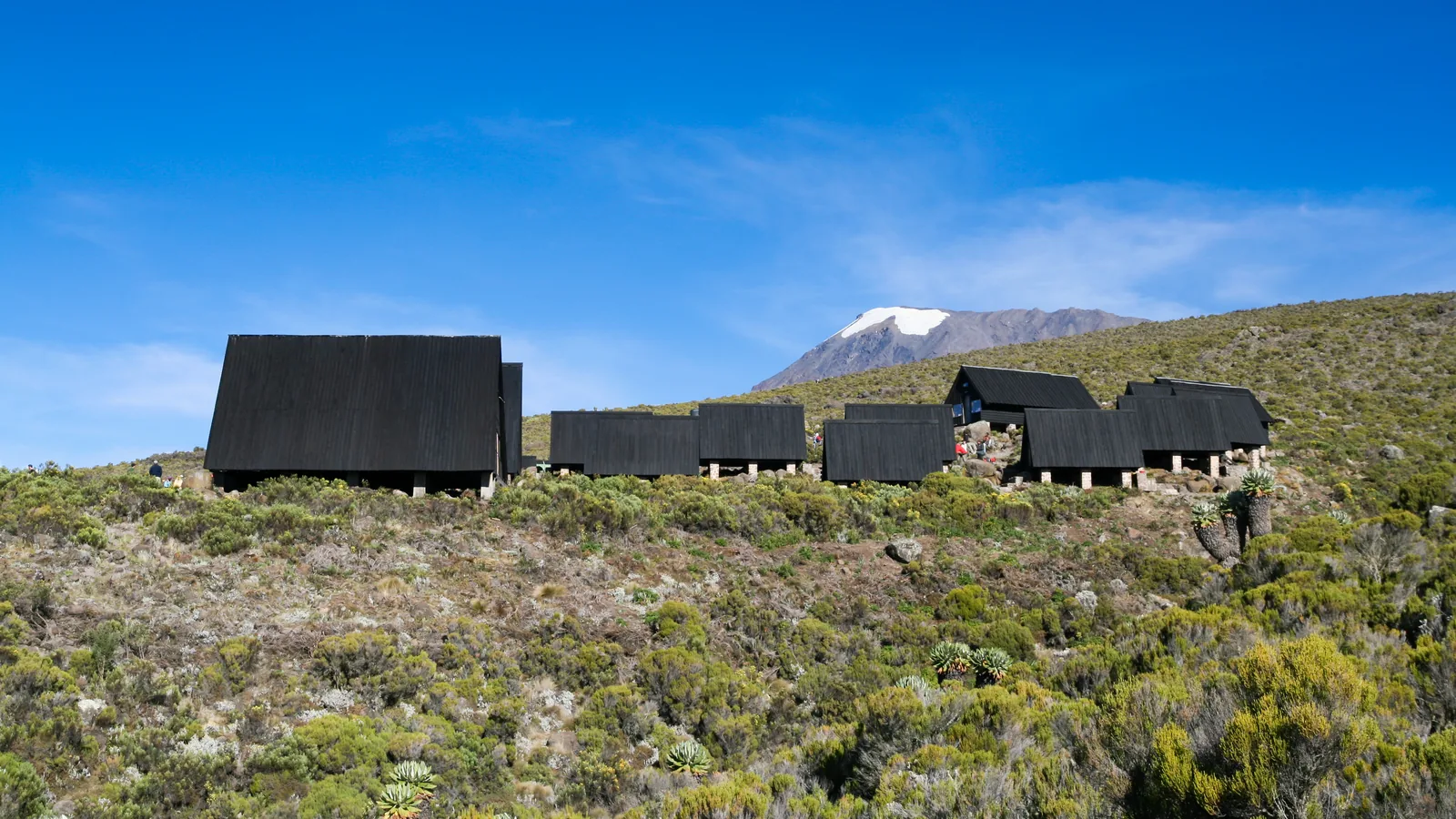
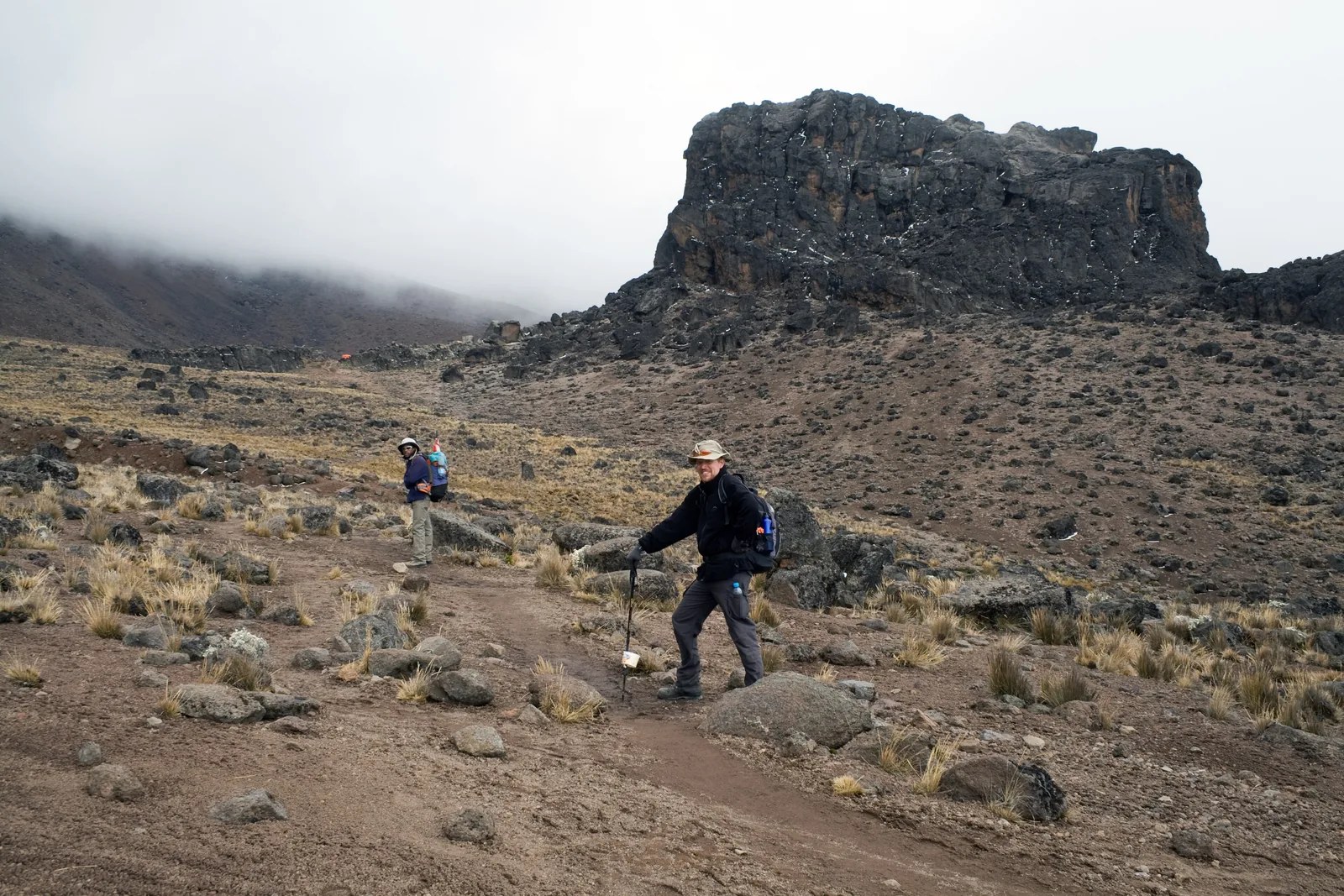
According to the authority, seven routes lead to the summit, taking five to nine days. The Machame route is used by 40 per cent of climbers, the western routes via Londorossi and Lemosho by 18, Rongai by 12 and Umbwe by 2 per cent; the Marangu route is the only one with huts. The authority requires at least five days up and down, and the US health agency CDC advises one to two days more: on ascents of four or five days, 75 to 77 per cent suffered acute mountain sickness in studies.
What the mountain costs is set out in the authority's tariff database, valid from 1 July 2026 to 30 June 2027: a conservation fee of 178,850 Tanzanian shillings per adult per 24 hours, plus 153,300 for the hut or 127,750 for the campsite every night and a one-off rescue fee of 51,100, all including tax. On a seven-day climb, the conservation fee and campsite are therefore charged for every night on the mountain. Operators include these items in their price.
You arrive via Kilimanjaro International Airport, about 45 kilometres (28 mi) west of the park, and travel to Moshi; from there it is 41 kilometres (25 mi) to Marangu Gate with the park headquarters. According to the authority, conditions are good in the dry seasons from late June to September and from December to early March; from March to May it rains around the base of the mountain, and the short rains come in October and November.
UNESCO inscribed the park in 1987 as a superlative natural phenomenon and describes the glaciers as particularly vulnerable. The mountain is sacred to the Chagga; the first to stand on the summit, on 6 October 1889, were Yohani Kinyala Lauwo, Hans Meyer and Ludwig Purtscheller.
TANAPA: Kilimanjaro National Park (overview: area, summit heights, history, wildlife) ↗
The park in numbers
- Highest point
- Uhuru Peak, 5,895 m (19,341 ft)
- Area
- 1,712 km² (661 sq mi)
- Conservation fee
- 178,850 TZS per 24 hours, visitors from outside East Africa
- Hut
- 153,300 TZS per night, Marangu route
- Campsite
- 127,750 TZS per night
- Rescue
- 51,100 TZS per climb
- Routes
- 7, plus Mweka for the descent
- Duration
- 5 to 9 days according to the authority
- National park since
- 1973, World Heritage 1987