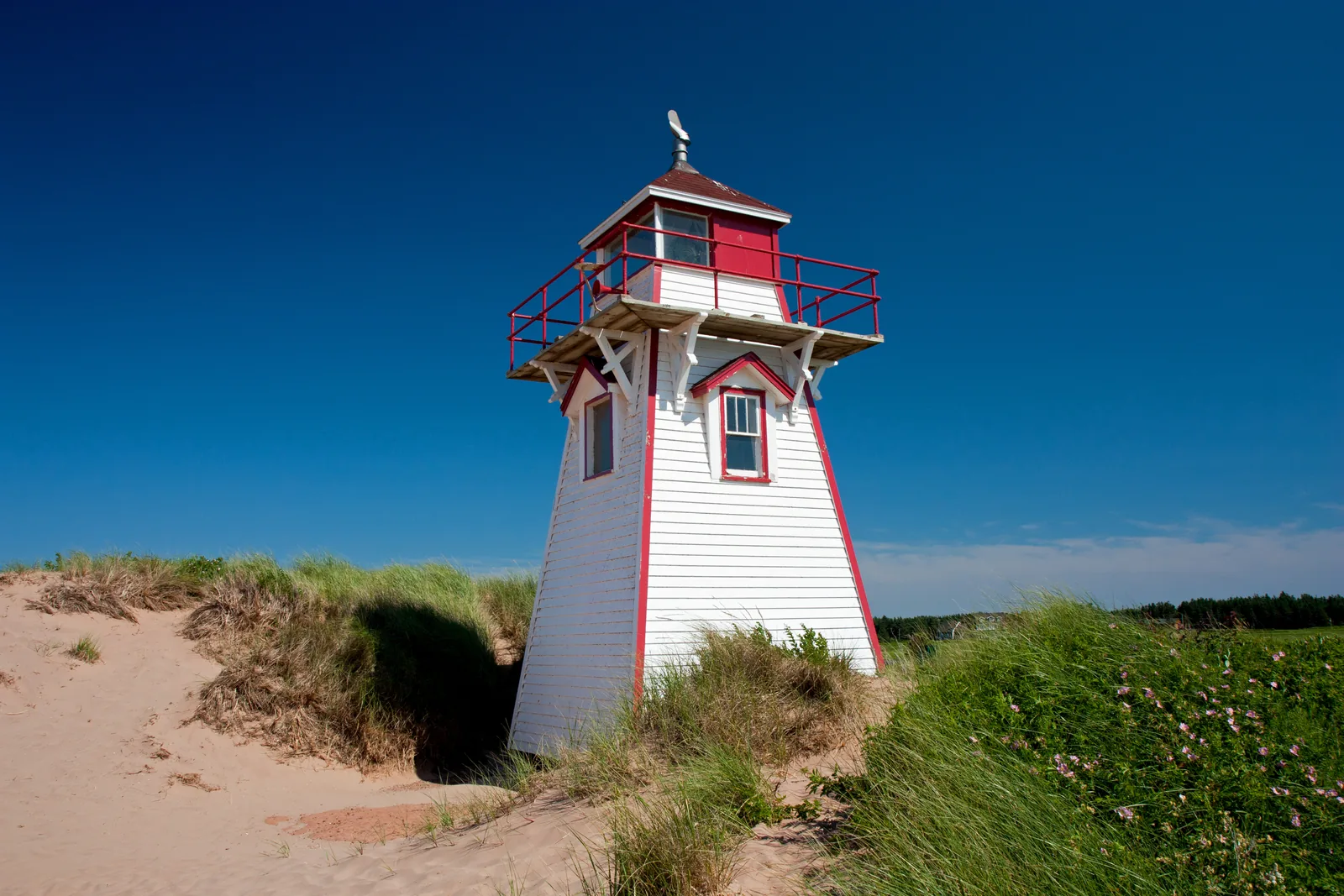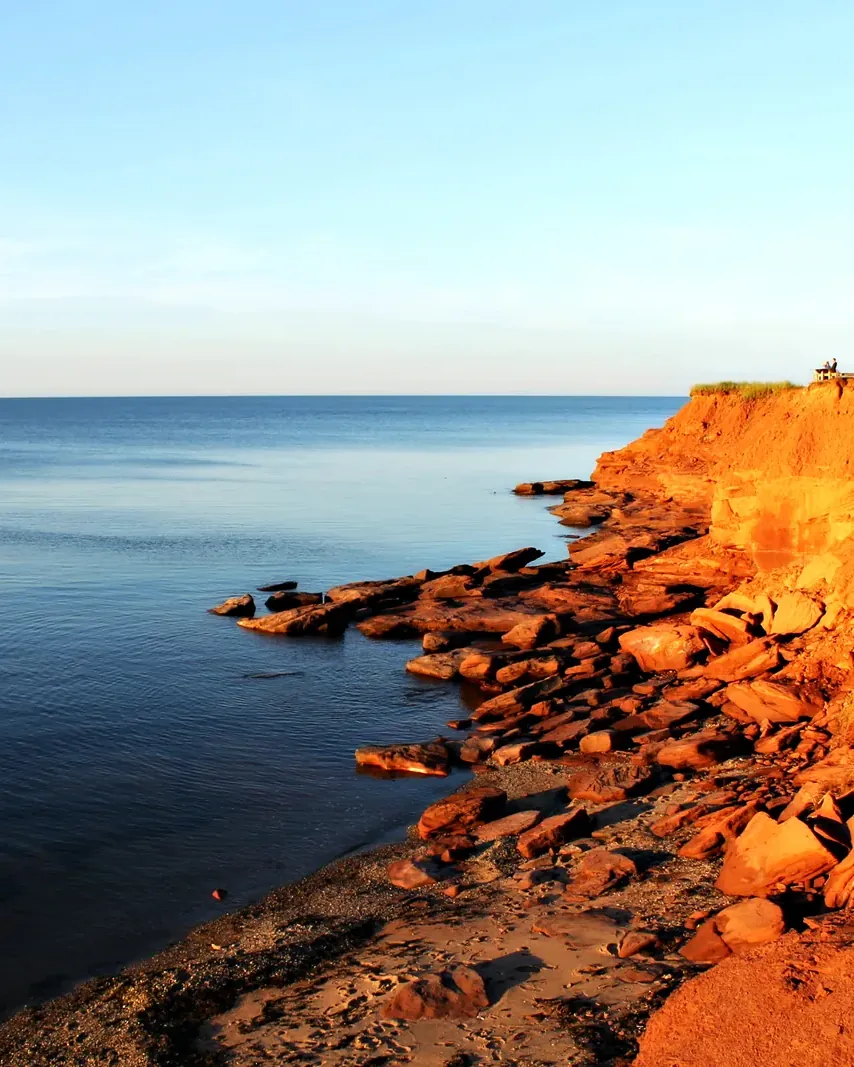


Prince Edward Island National Park: landscape and origins
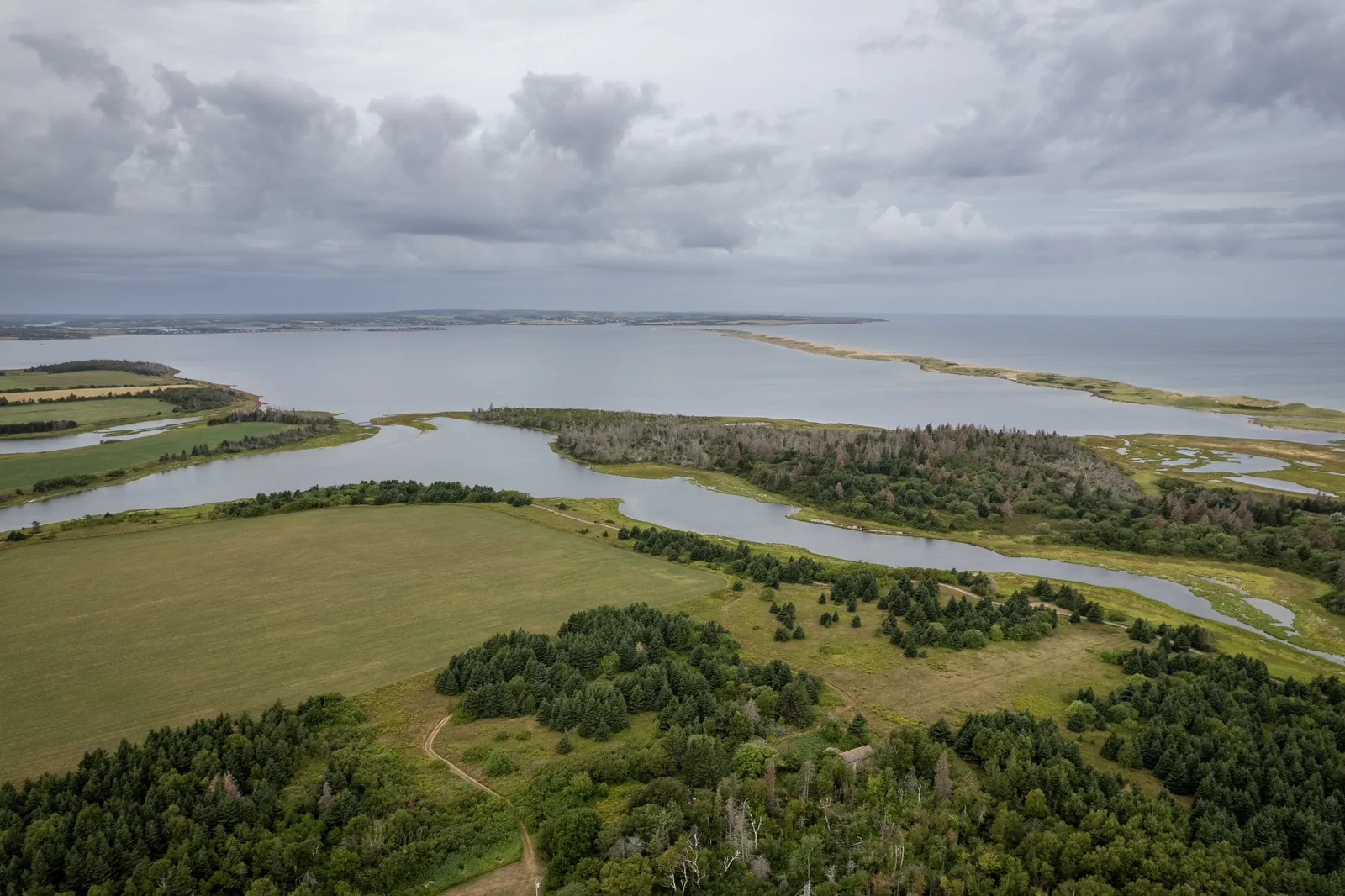
Prince Edward Island National Park protects a piece of the Maritime Plain: sand dunes, barrier islands and beaches, sand spits and the wetlands behind them; according to the park authority’s fact sheet, one of Canada’s smallest national parks.
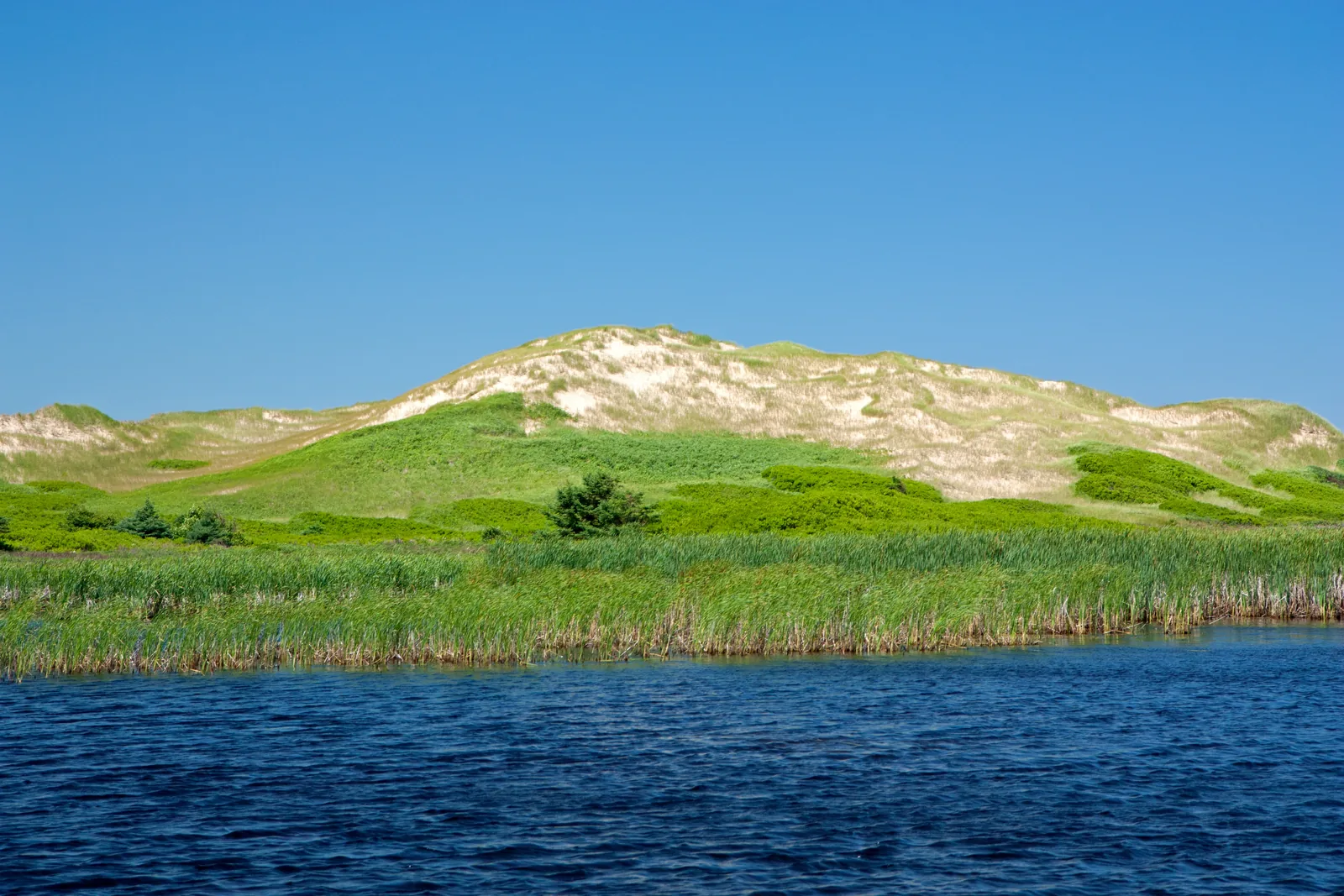
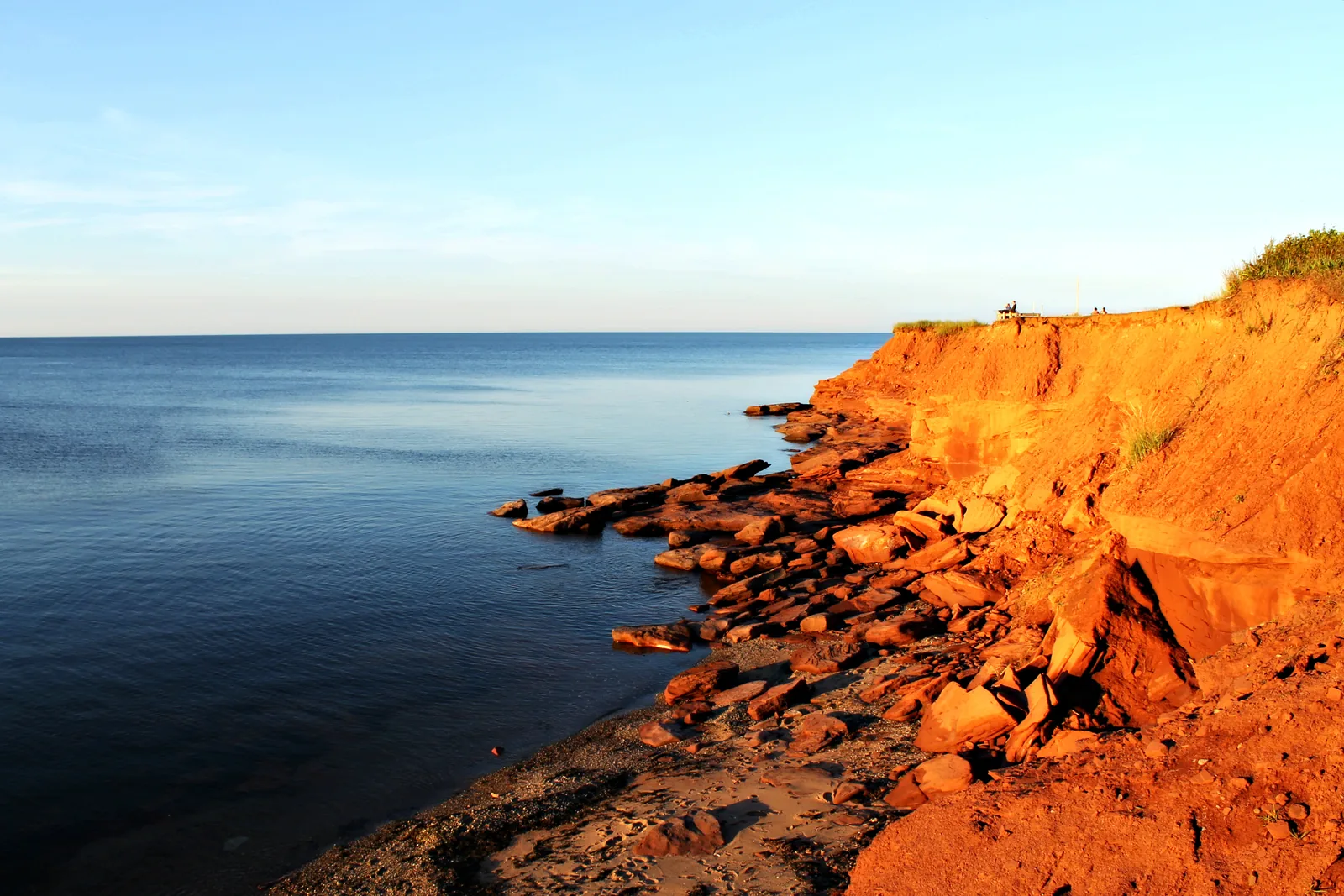
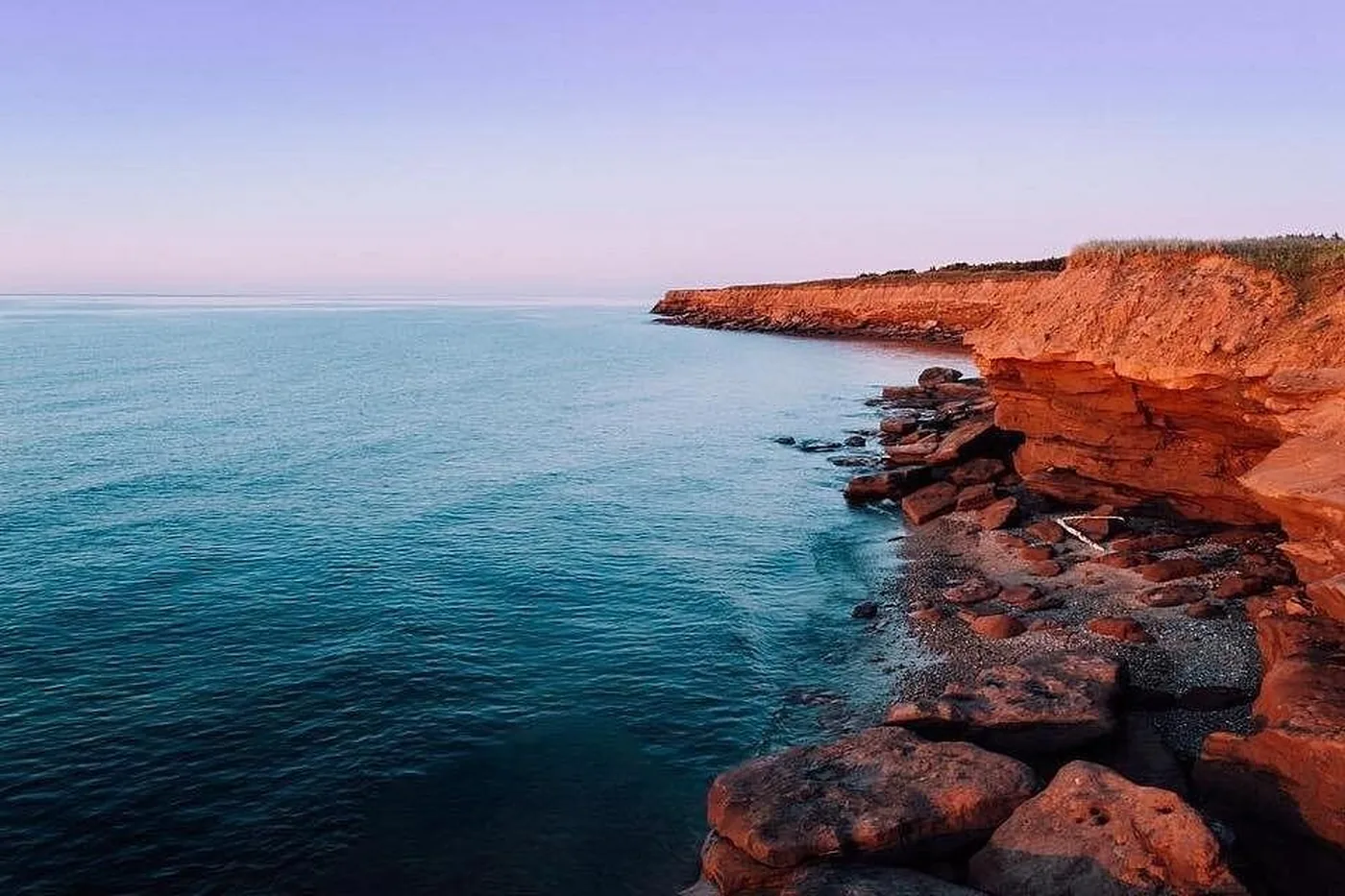
Four habitats shape the park: the coast with dunes, beaches and red sandstone cliffs, the forest, freshwater and wetlands. The sandbars, barrier islands and dunes formed from sand that the sea washed out of the island’s sandstone.
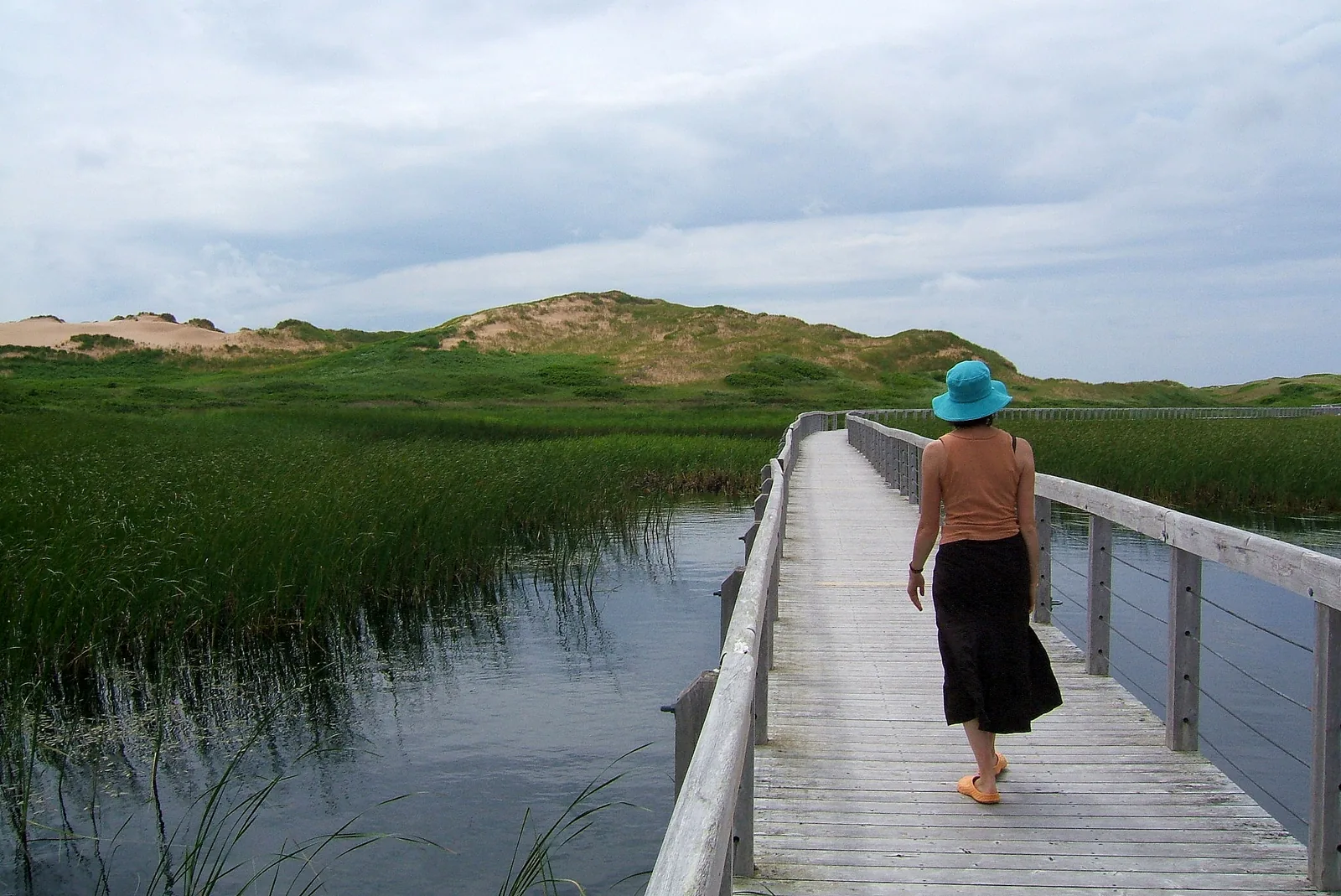
The sand is held in place mainly by marram grass. Its roots and runners form a living net; only once it has stabilised a dune do wild rose, bayberry and seaside goldenrod move in. Behind the dunes lie barachois ponds: former sea inlets cut off from the sea by moving sand, which gradually turn to freshwater.
Freshwater makes up only about four per cent of the park’s area. The streams and ponds rise outside the park boundary and therefore depend heavily on how the surrounding land is used. They are home to the American eel, which is assessed as threatened in Canada.
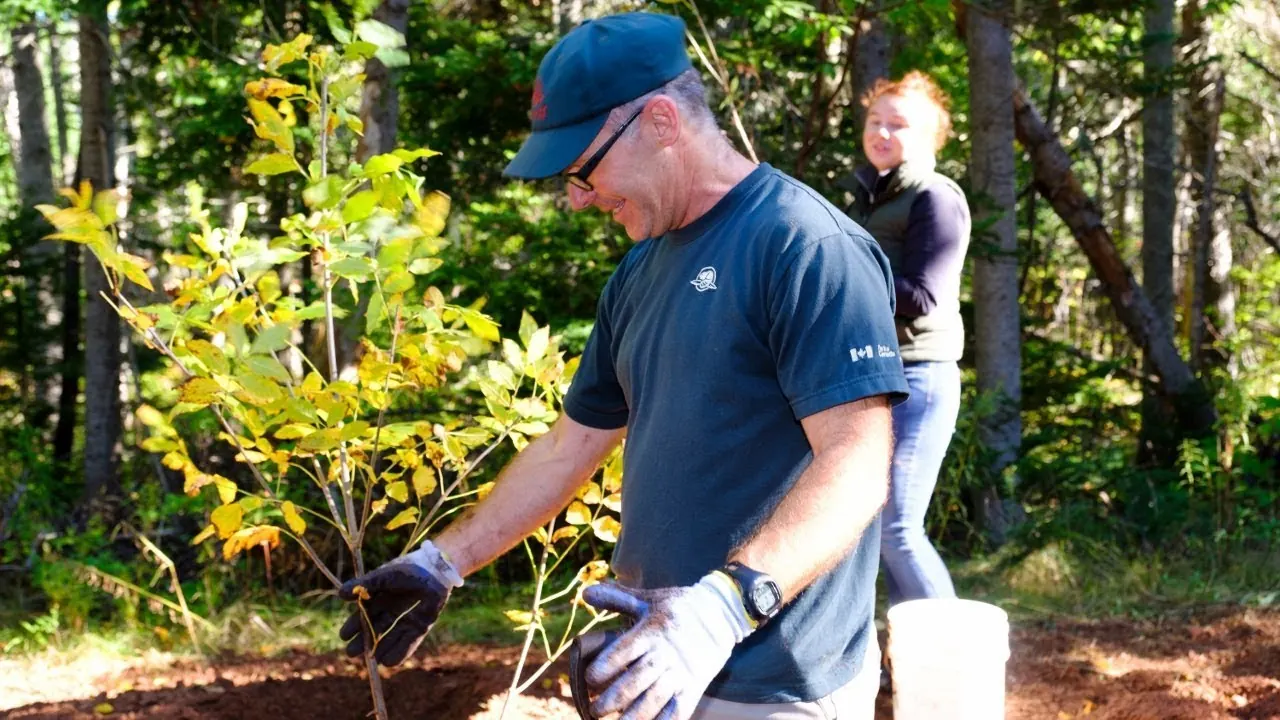
The original Acadian forest was largely cleared. The 2015 state of the park report rated the park’s forest ecosystem as poor, mainly because typical tree species are missing. Since then the park authority has been replanting red spruce, eastern white pine, eastern hemlock, red oak, yellow birch and sugar maple.
The park lies in Epekwitk, unceded Mi’kmaq territory covered by the historic Peace and Friendship Treaties. Under the Toquktmekl agreement, the Mi’kmaq Epekwitnewaq Kapmntemuow and Parks Canada manage the park jointly; a five-member committee advises both sides.
Habitats: coast, forest, freshwater, wetlands ↗
The park in numbers
- Established
- 1937
- Area
- about 37 km² (14 sq mi) (park authority fact sheet, 2013)
- Coast
- 40 km (25 mi) from Cavendish to Dalvay, plus 6 km at Greenwich
- Park sections
- Cavendish–North Rustico, Brackley–Dalvay, Greenwich
- Greenwich
- part of the park since 1998
- Plants
- over 600 species, including the lady’s slipper as the provincial flower
- Birds
- over 300 species recorded (fact sheet 2013)
- Forest restoration
- 54,000 trees planted in the CoRe project
- Cooperative management
- Mi’kmaq and Parks Canada, Toquktmekl agreement