

Elk Island National Park: landscape and origins
Elk Island was established in 1906 to protect one of the last elk herds in the region. The park represents part of the Southern Boreal Plains and Plateaux, and it is the only national park in Canada that is completely fenced.
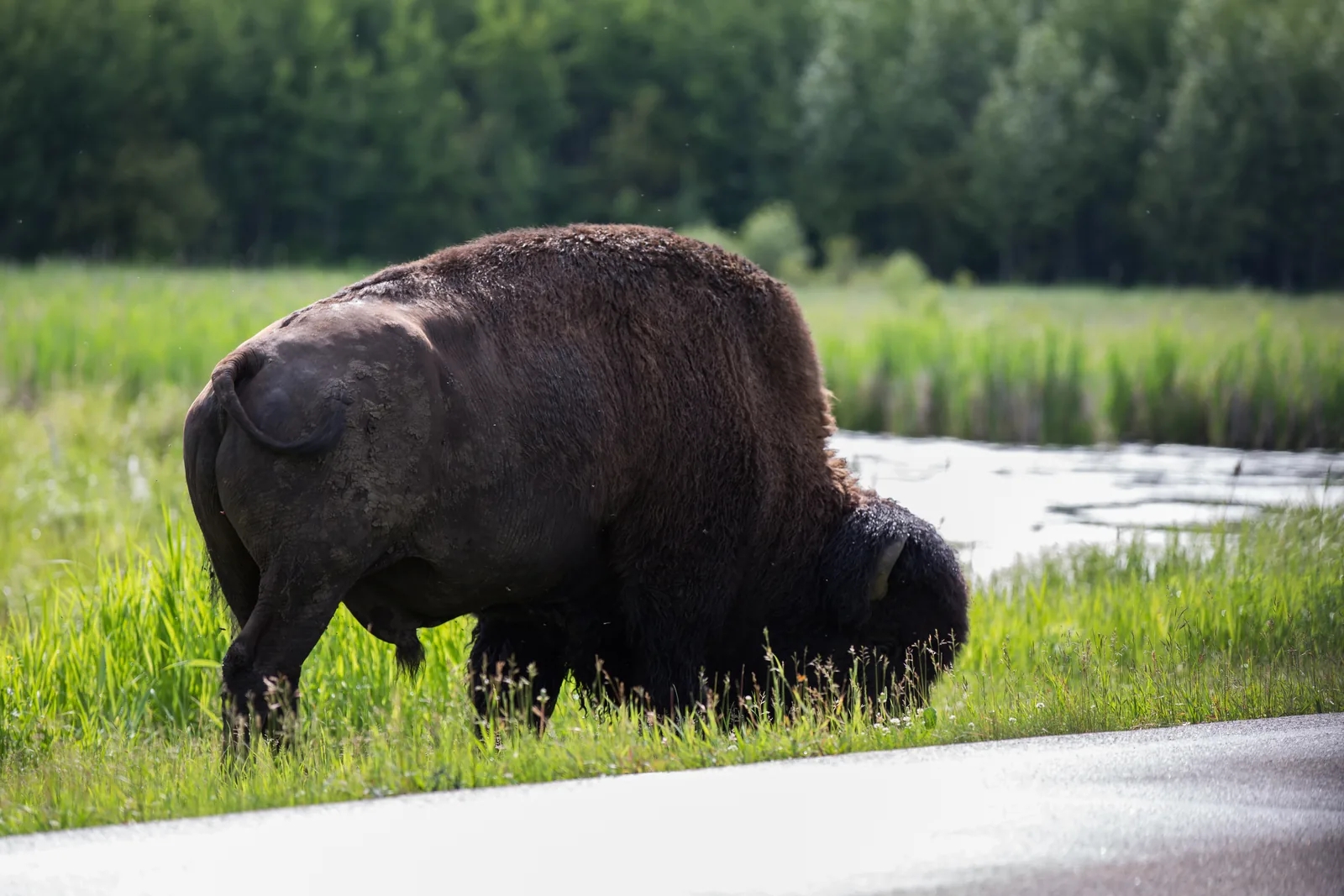
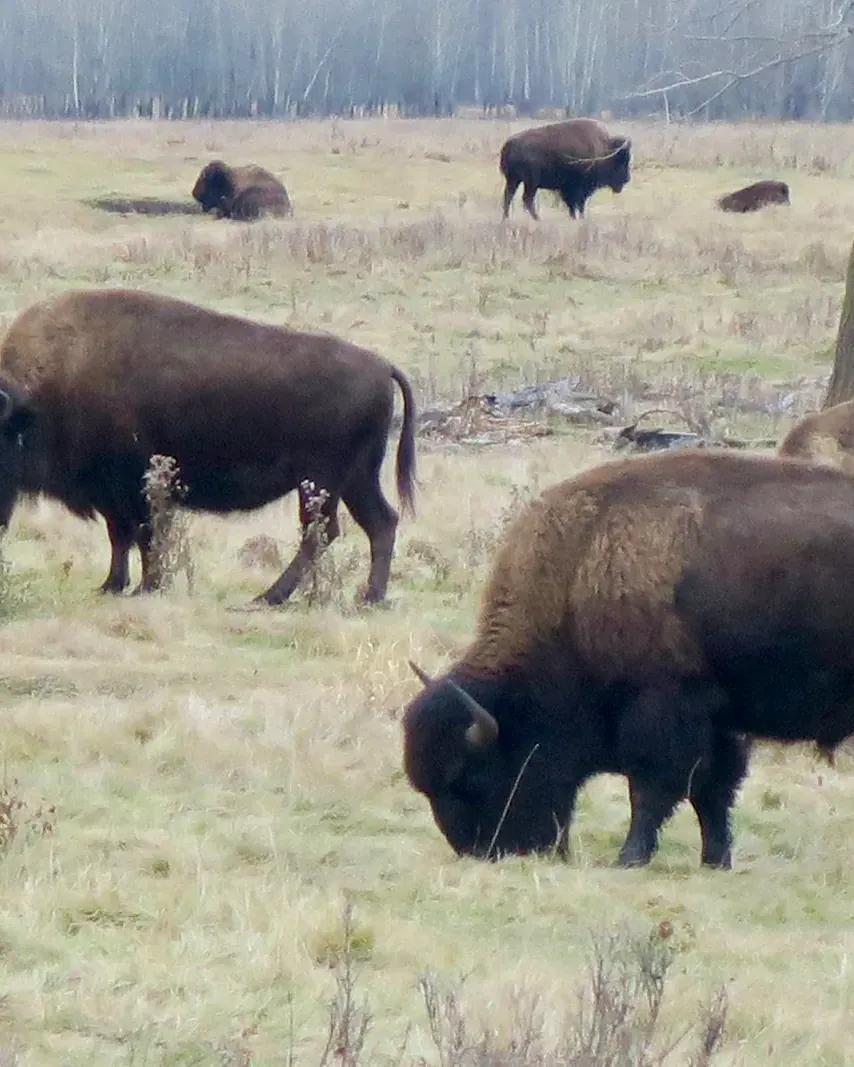
The fence is not decoration but a working tool: because the park actively manages plains bison, wood bison, elk and moose, it can count, test and relocate animals that roam freely elsewhere. That is exactly what made Elk Island the source of bison herds all over North America.
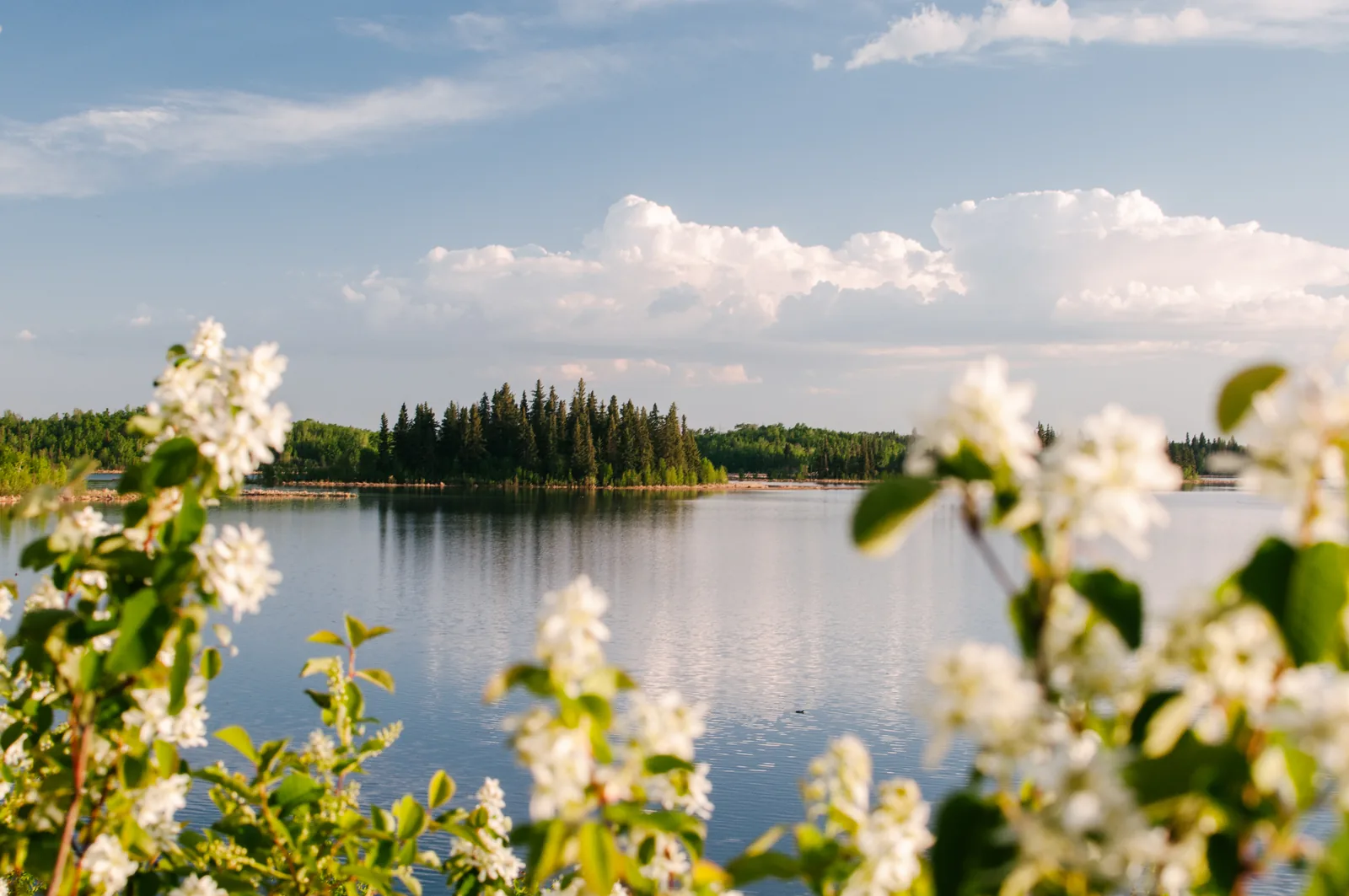
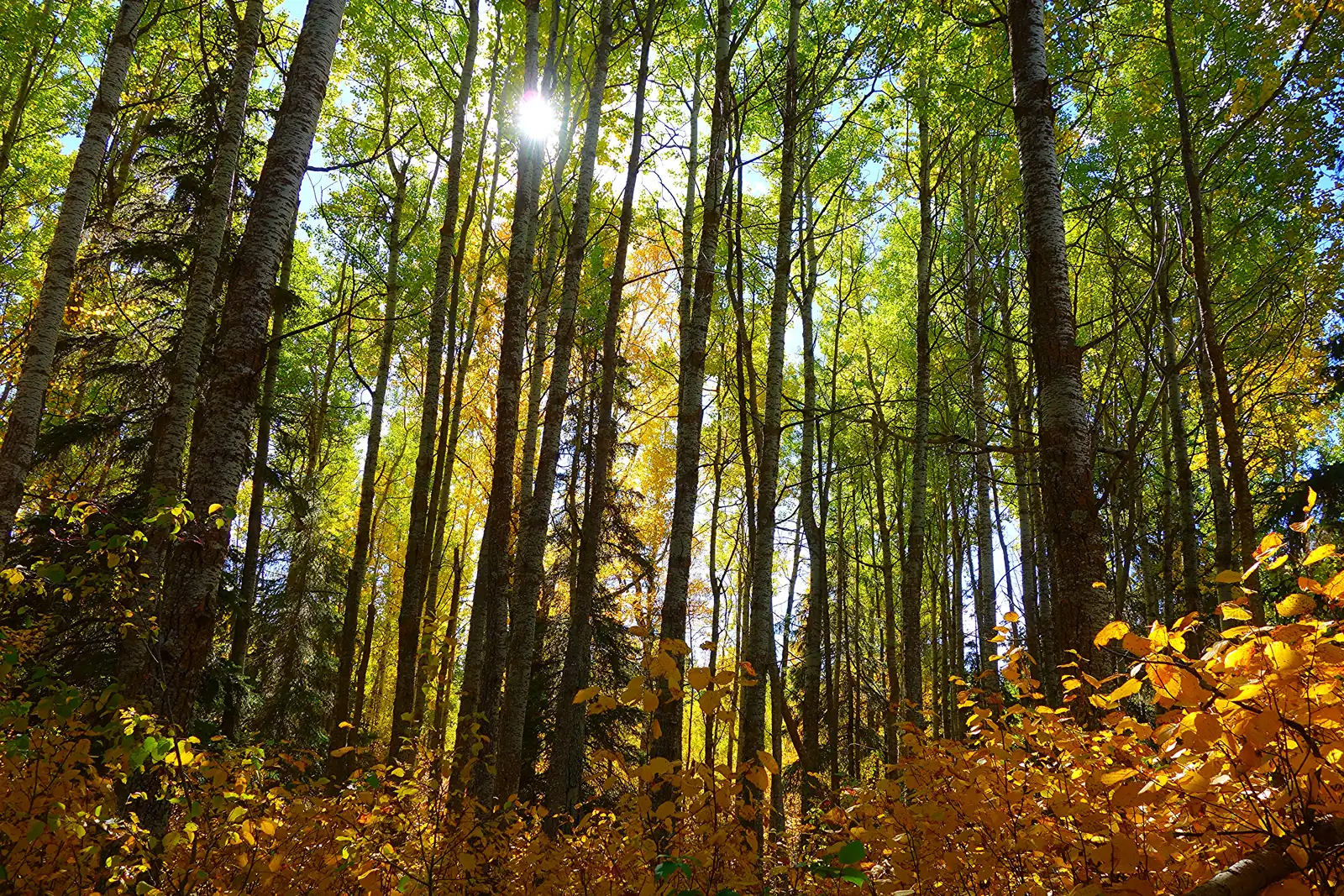
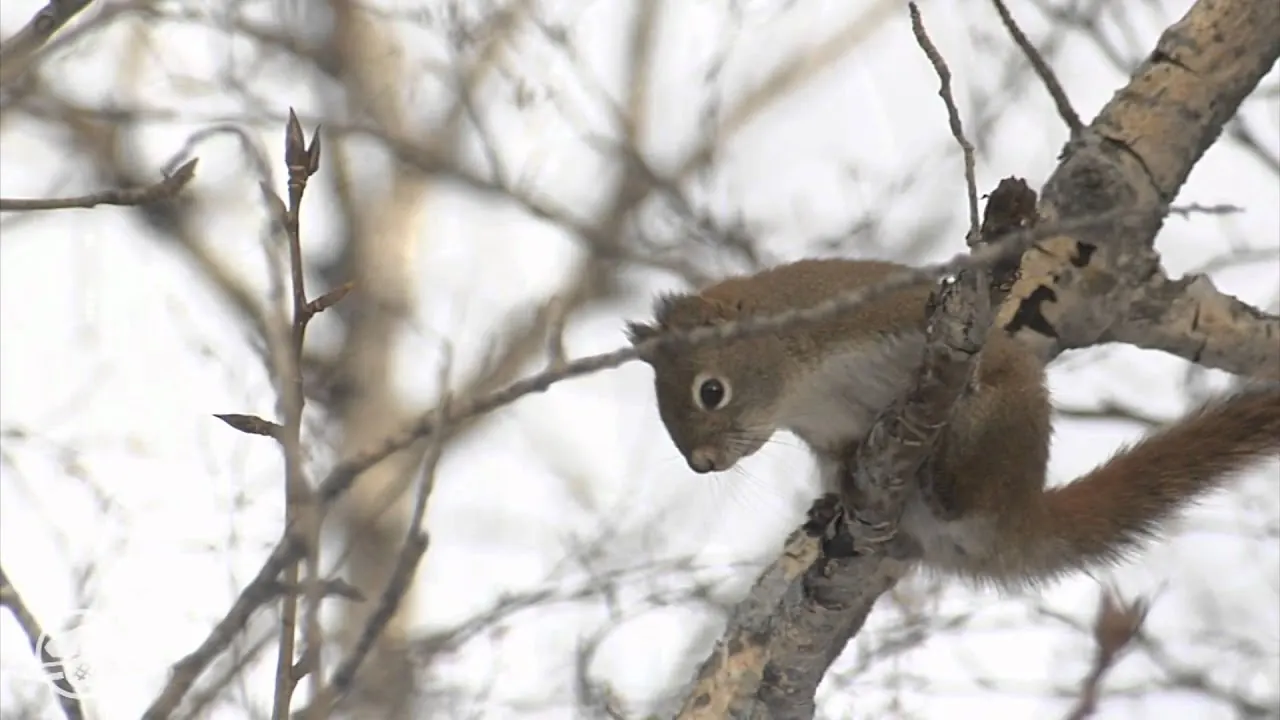
The landscape of the Beaver Hills, Amiskwaciy in Cree, is a mosaic of aspen forest, spruce bogs, meadows, lakes and wetlands. More than 42 mammal species live here, plus 250 bird species, five amphibian species, one reptile and two fish species.
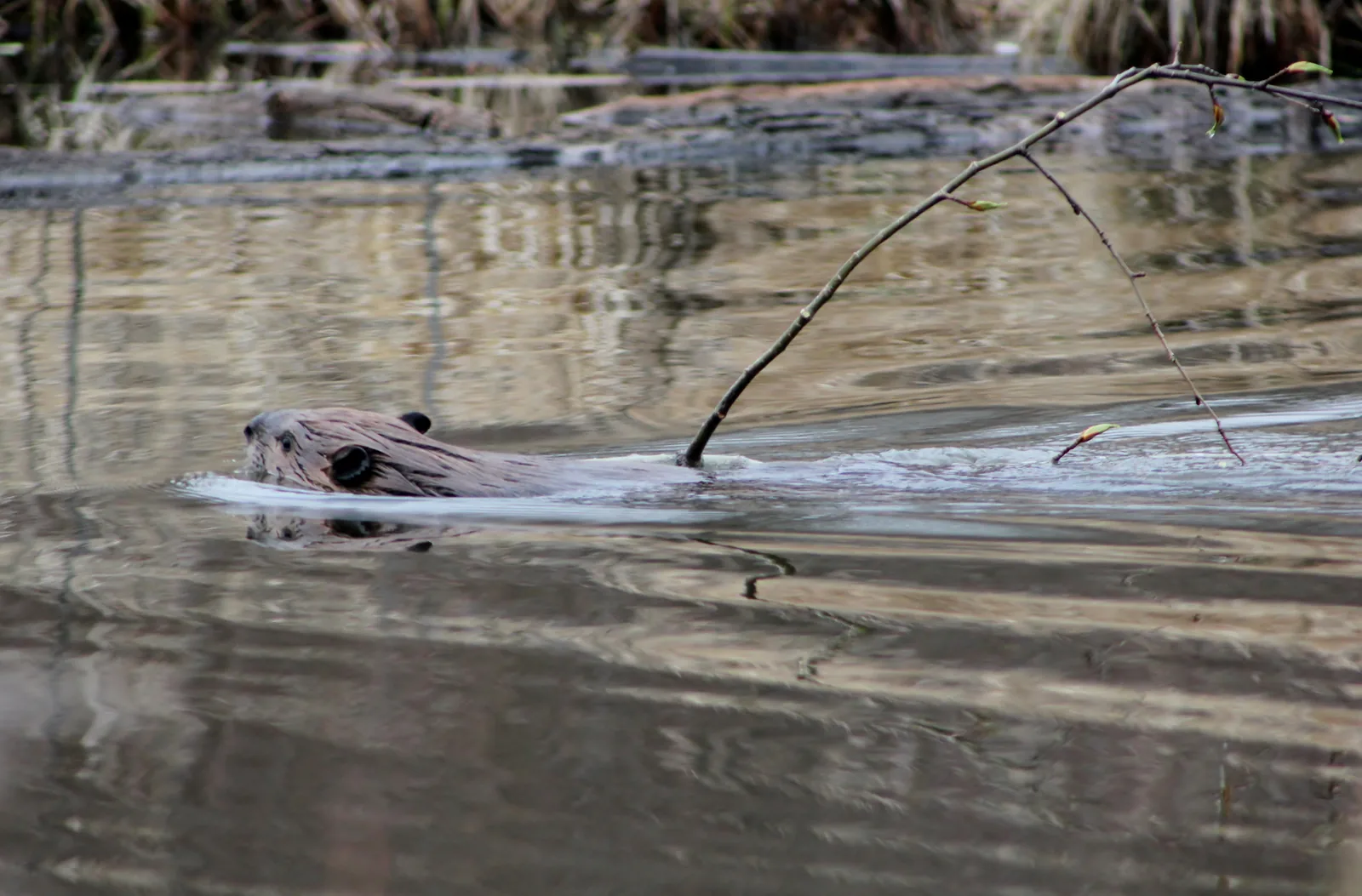
Until the 1830s the area was a centre of the fur trade; the beaver almost completely disappeared, and bison were nearly wiped out by the late 1860s. In 1899 the area was protected as the Cooking Lake Forest Reserve, and wildlife protection followed in 1906.
In 1930 Elk Island was declared a national park under the National Parks Act. During the Depression, men from relief camps built roads, the boundary fence and buildings such as the historic pavilion; in 1936 one of Alberta’s oldest golf courses was created.
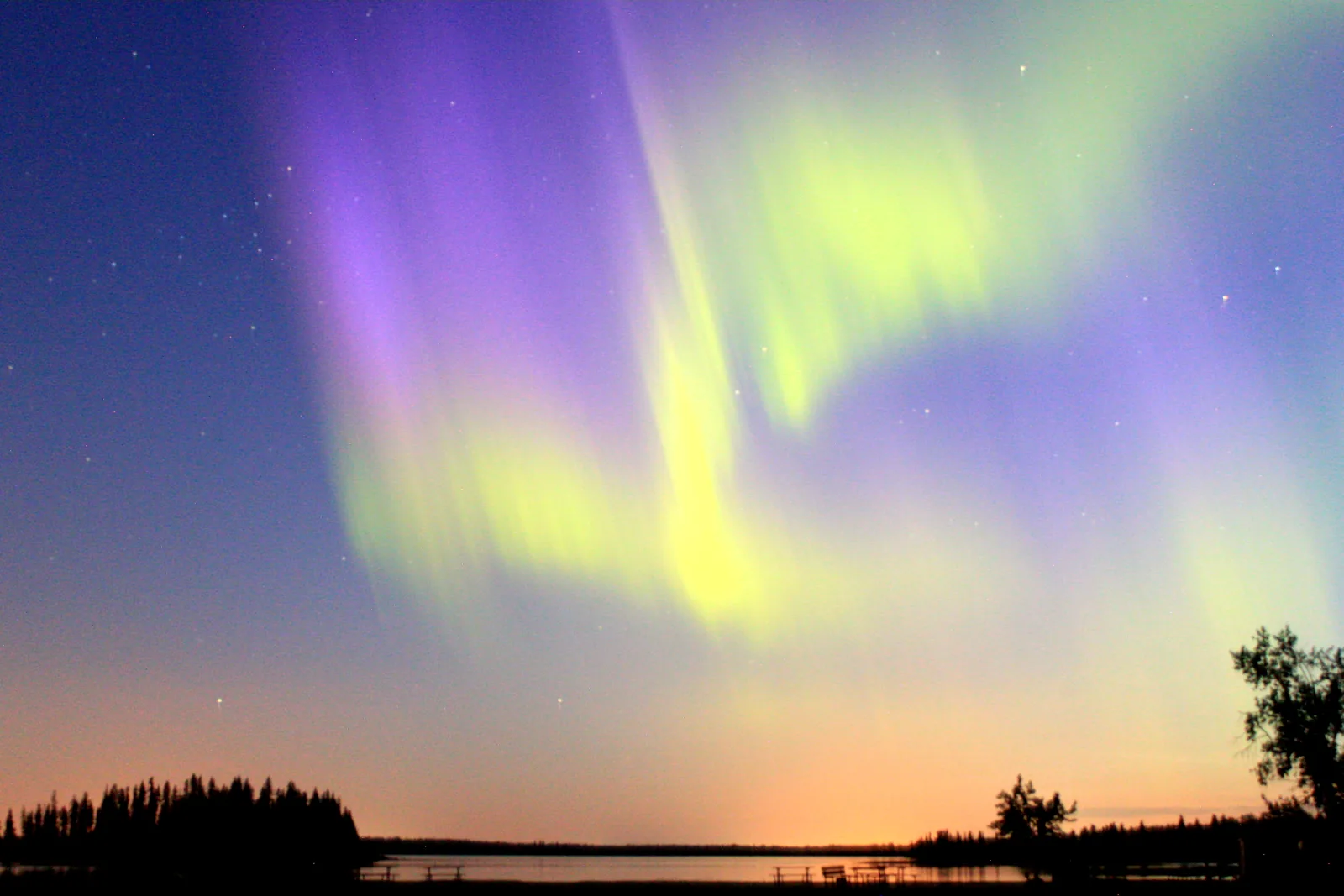
Since 2006 the park has been part of the Beaver Hills Dark Sky Preserve, and since 2016 of the Beaver Hills UNESCO Biosphere Reserve.
The park in numbers
- Established
- 1906 as Elk Park, Canada’s first wildlife sanctuary
- National park
- since 1930
- Special feature
- Canada’s only fully fenced national park
- Location
- 48 km (30 mi) east of Edmonton
- Trails
- over 80 km (50 mi), eleven hiking trails
- Wildlife
- 42+ mammal, 250 bird, 5 amphibian, 1 reptile and 2 fish species
- Bison
- plains bison in the north, wood bison south of Highway 16
- Beaver lodges
- up to 350 active
- Dark Sky Preserve
- Beaver Hills, since 2006
- UNESCO biosphere
- Beaver Hills, since 2016