

County
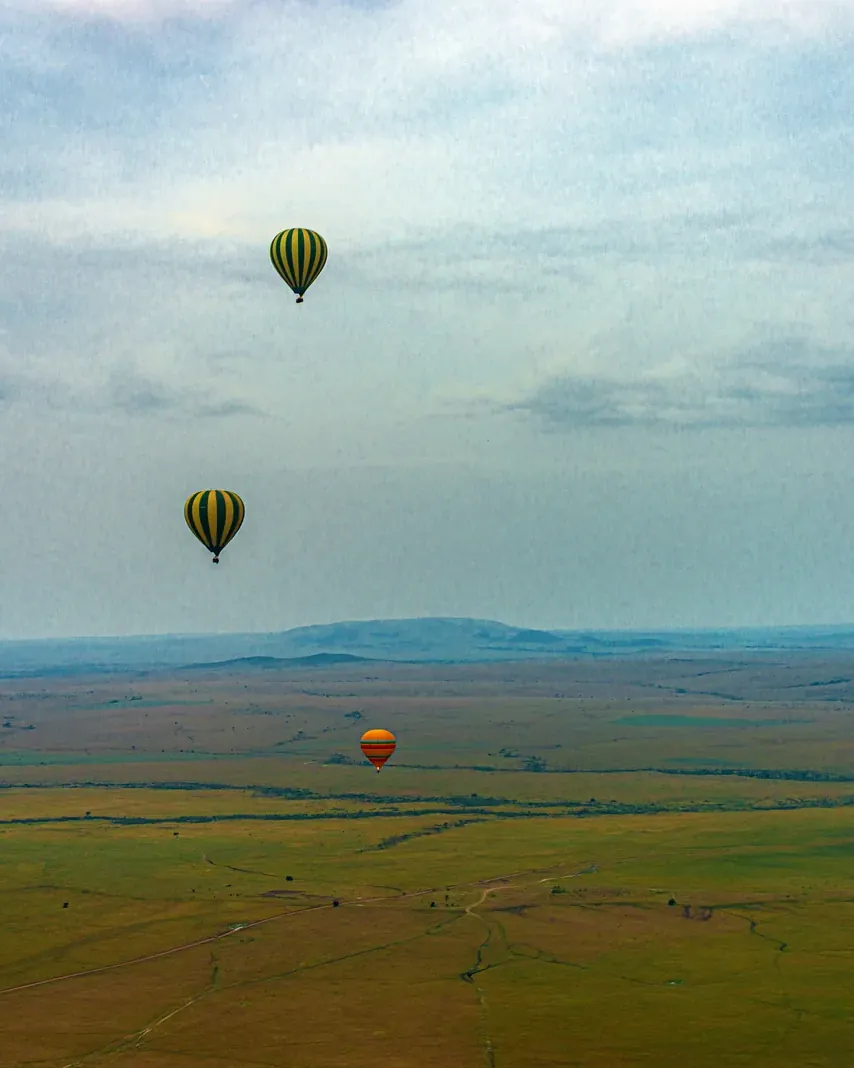
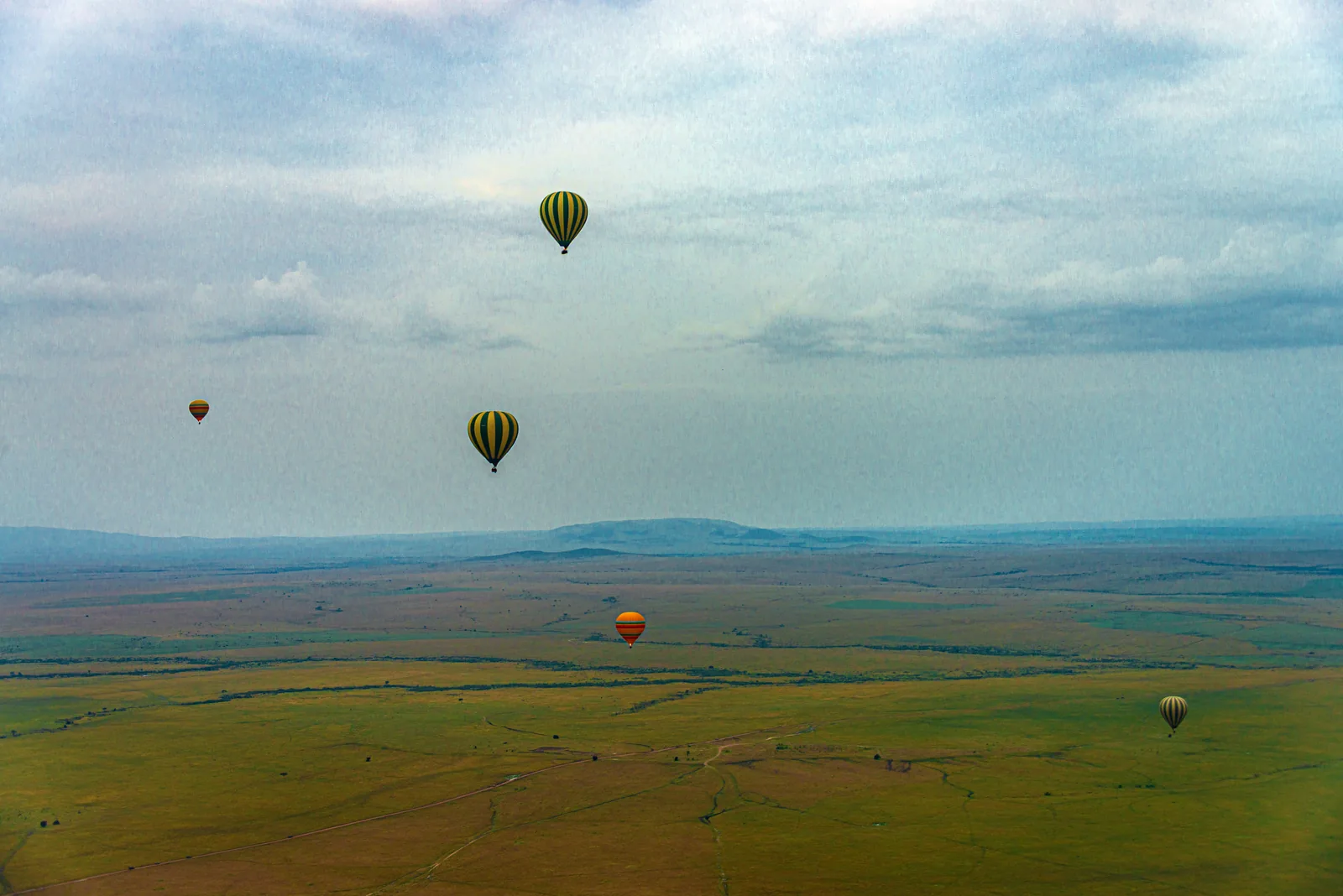
Photo: Daniel Case ↗ · CC BY-SA 4.0 ↗Maasai Mara National Reserve
Not a national park but a reserve of Narok County, and the only protected area in the atlas whose entrance fee doubles in the middle of the year.

National Parks Atlas · Country · checked 25 Sep 2026
Kenya's best-known protected area is not a national park at all, but a reserve of Narok County. Its daily fee doubles on 1 July, and the day ends at 18:00.
the Maasai Mara in full, with fees, gates and payment
park authorities, operators and transport providers
per foreign adult from 1 July, $100 before
valid 6:00 to 18:00, whatever time you enter
Last checked: 25 Sep 2026
The Maasai Mara National Reserve (often spelled Masai Mara) is formally a national reserve, the responsibility of the County Government of Narok. Since 2001 its western part, the Mara Triangle, has been run on the county's behalf by the non-profit Mara Conservancy.
The Mara lies on Kenya's border with Tanzania; south of the border the same grassland continues as the Serengeti. The guide covers the daily fee, ticket times, payment and driving rules, each linked to the Mara Conservancy.
01 · Park guides
Daily fees, the 12-hour ticket, gates, payment and the rules inside the reserve.
02 · Fees
The most expensive protected area in this atlas, and the only one whose daily fee doubles in the middle of the year.
| Who | Per day |
|---|---|
| Foreign adults, 1 January to 30 June | 100 US dollars |
| Foreign adults, 1 July to 31 December | 200 US dollars |
| Children aged 9 to 17 | 50 US dollars |
| Children up to 8 | Free |
| Vehicle with fewer than six seats | 1,000 Kenyan shillings |
A couple spending three days in the Mara in August pays 1,200 US dollars in entrance fees alone; in April it would be 600. Where you sleep makes no difference: the fee applies to guests staying inside and outside the reserve. If you sleep in the Triangle and arrive through Sekenani Gate, however, you only pay at Purungat Bridge, not twice.
The Conservancy explains the level of the fee with its history: before 2001, revenue in the Triangle was only about a fifth of what was possible, and thousands of animals were poached every year. Today, it says, gate revenue pays for protection and for local communities.
A ticket is valid for 12 hours, from 6:00 to 18:00, whatever time you enter, and it does not carry over the night. If you arrive at 15:00, you pay the full daily rate for three hours. If you drive through the gate at 6:00, you get twelve. The gates are open from 6:00 to 19:00, and no vehicles are let in after 18:30.
In the Mara Triangle the park fee is paid by M-Pesa or credit card only. You can buy tickets online through the KAPS ticket office with a Visa card, or on site at Purungat Bridge, Oloololo Gate and Serena airstrip. Proof of identity means a passport or national ID card; driving licences are not accepted, and without suitable proof you pay the non-resident rate, even if you live in Kenya.
The fee sets the first choice: from January to June a day costs half as much as from July to December. The wildlife sets the second. The Mara Conservancy speaks of one of the highest densities of wildlife in the world: on a good day you can see all of the Big Five in the Mara Triangle within less than two square kilometres. The wildebeest herds from the Serengeti cross the Mara River here; according to the Tanzanian park authority's calendar, the Mara crossing falls in August and September, and the authority stresses that the timing can shift.
By car, the route from Nairobi runs via Narok; the road is surfaced as far as Sekenani Gate, and inside the reserve you need four-wheel drive. From Nairobi it is around 165 km (103 mi) as the crow flies, a long day's drive. Alternatively, several airlines fly daily scheduled services to the Mara's airstrips.
The Mara and the Serengeti belong to one ecosystem of 30,000 km², but the onward trip does not run through the parks: operators route it between Kenya and Tanzania via Nairobi and Arusha. For the Tanzanian side, see the national parks in Tanzania.
06 · Editorial
Every fee, date and rule on this page comes from the park guides below, each linked to the official source.
Fees, opening times and reservation rules change. Check the official page before you travel.