

Jasper National Park: landscape and origins
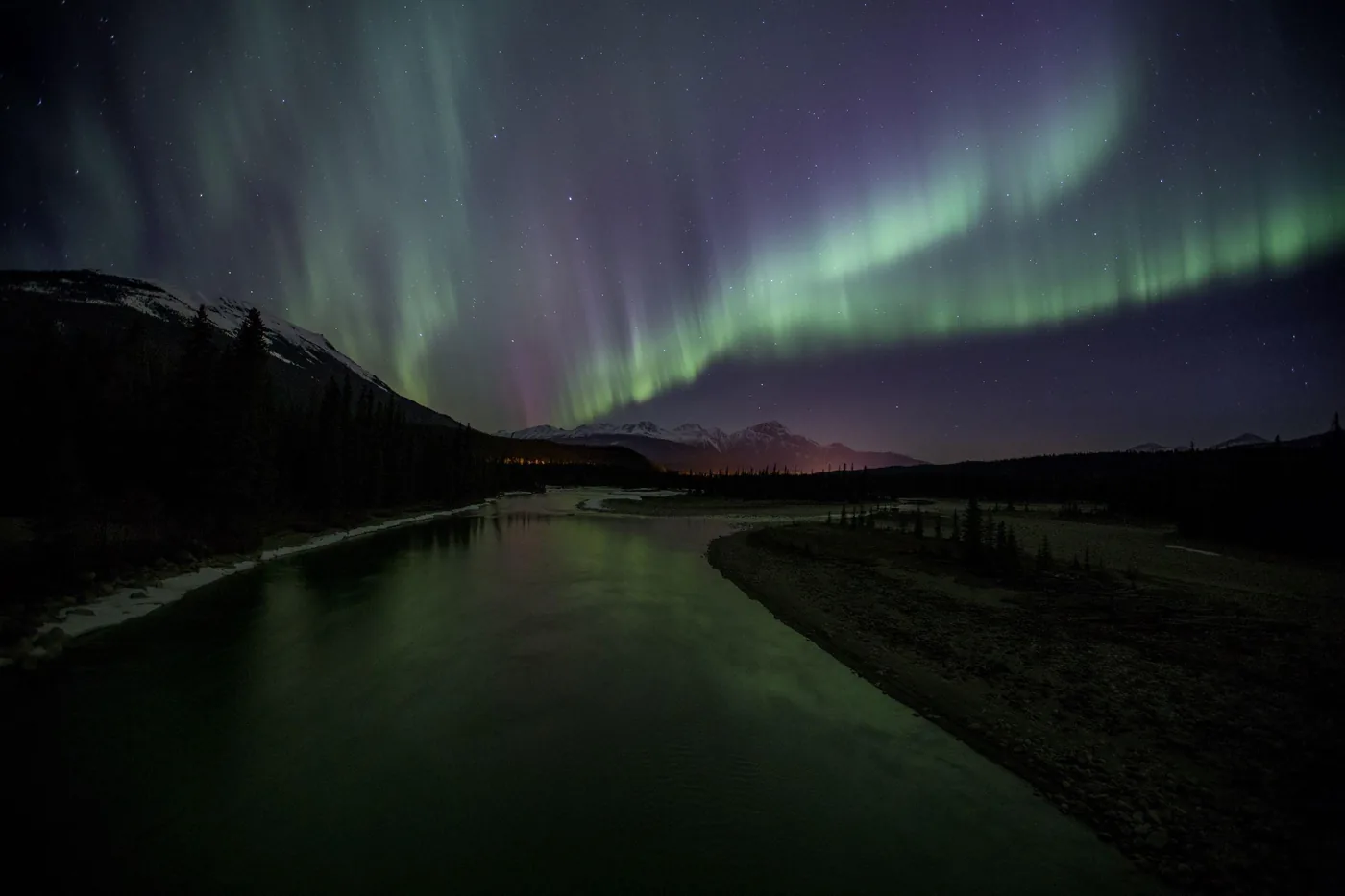
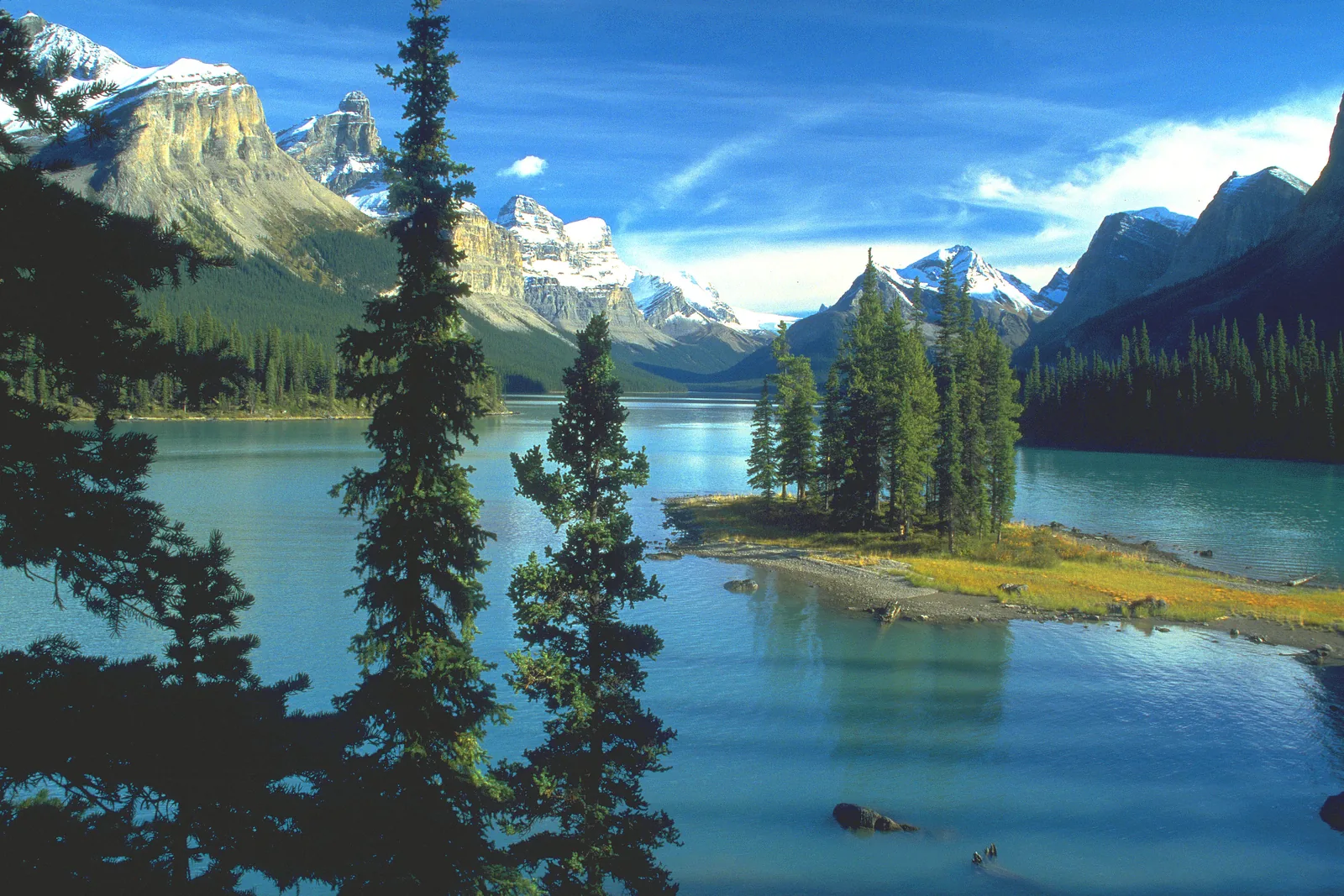
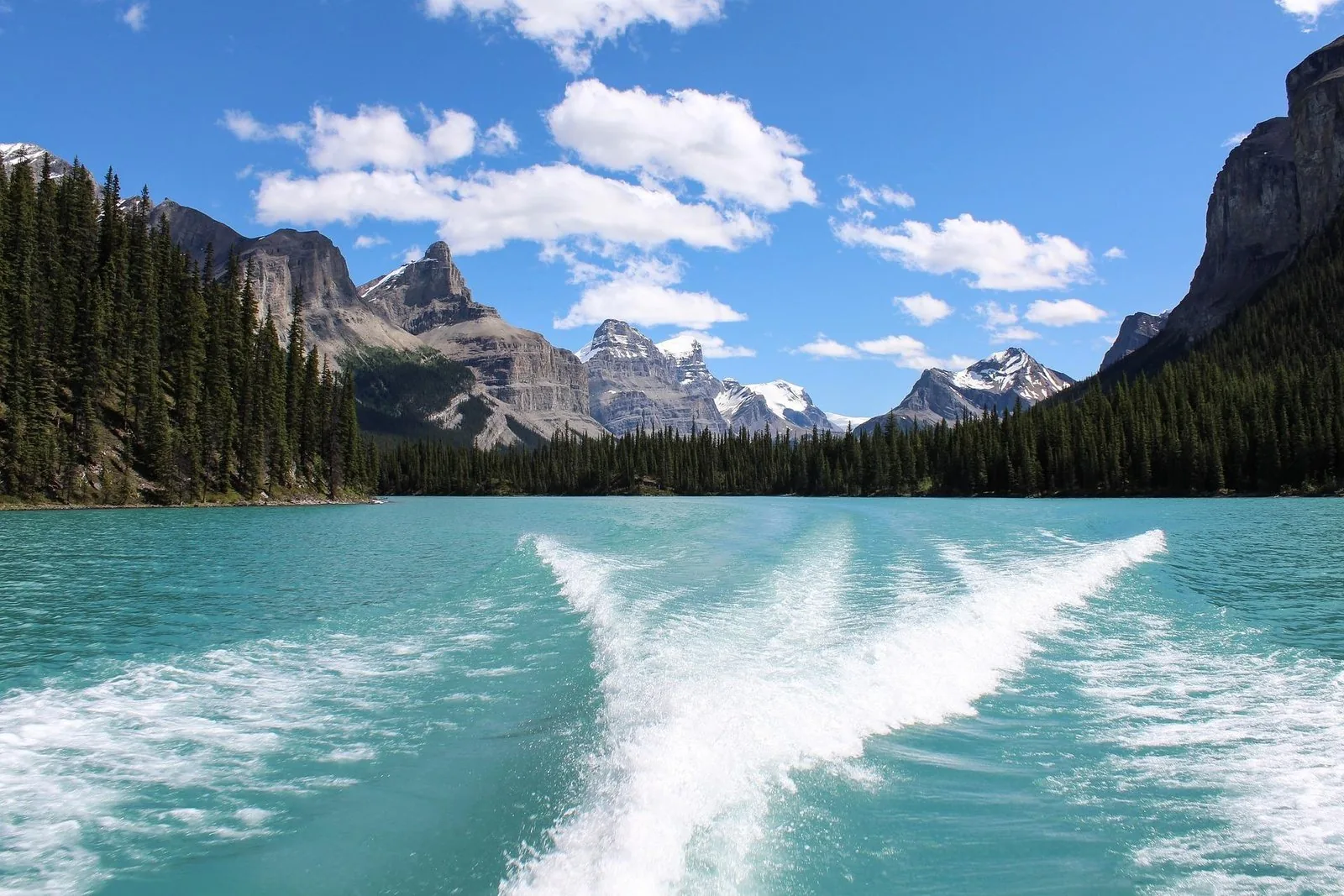
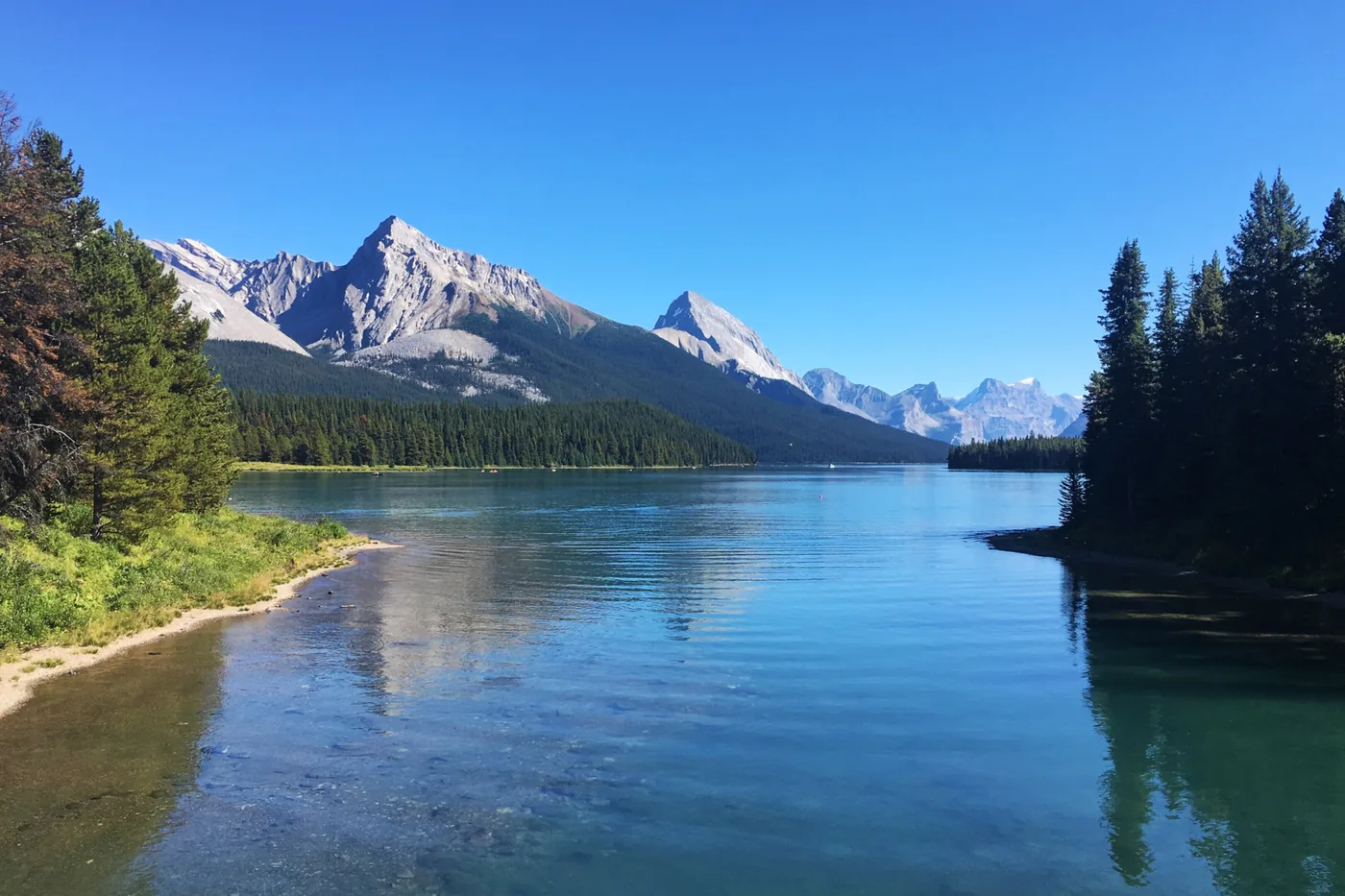
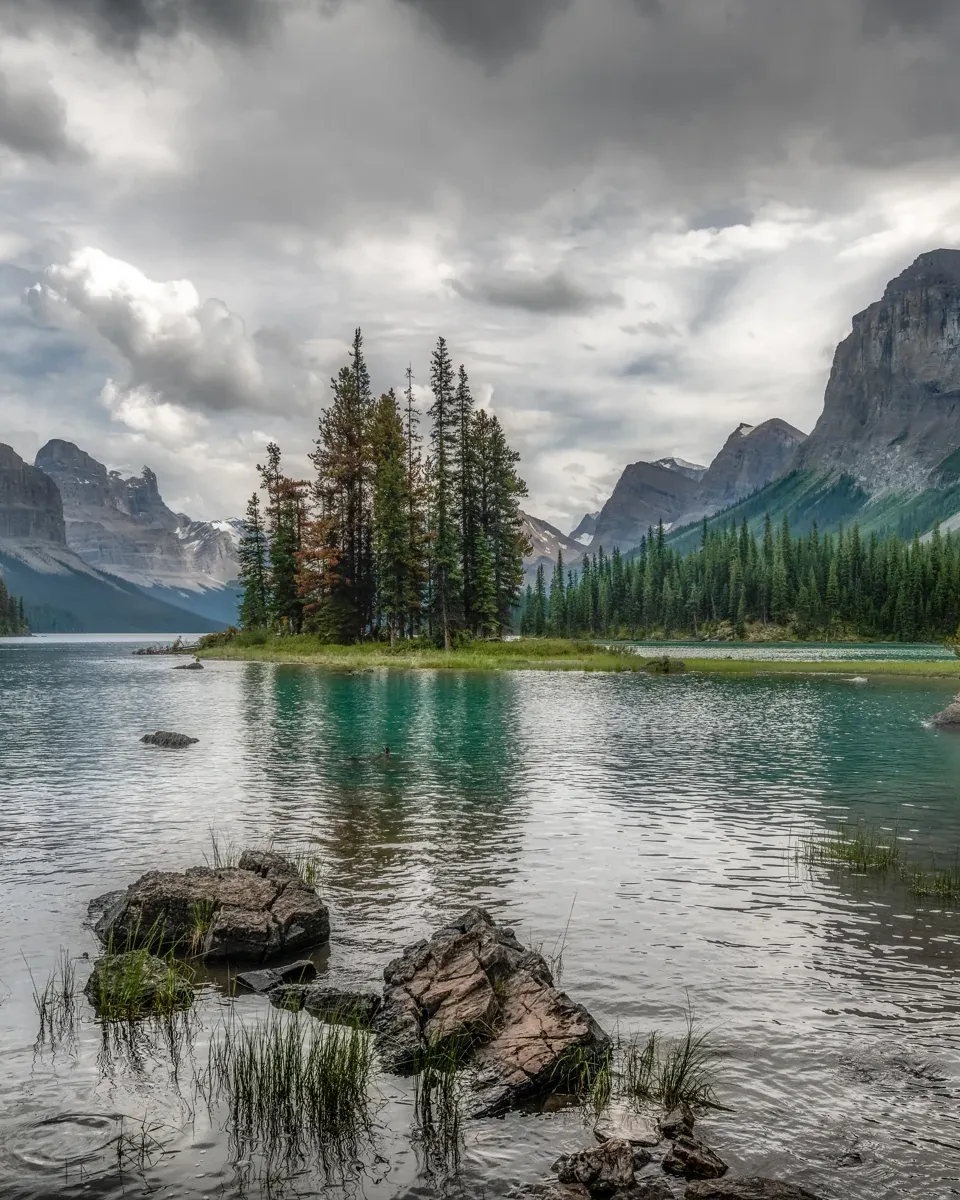
Jasper is the largest national park in the Canadian Rockies, more than 11,000 square kilometres, and the second-largest dark sky preserve in the world.
The park preserves a remnant of the wildlife that once covered the whole of the West. While populations fell dramatically across much of North America over the past two hundred years, healthy populations of plants and animals have survived within the park boundaries. Elevation, geology, geography and climate create very different habitats in a small space.
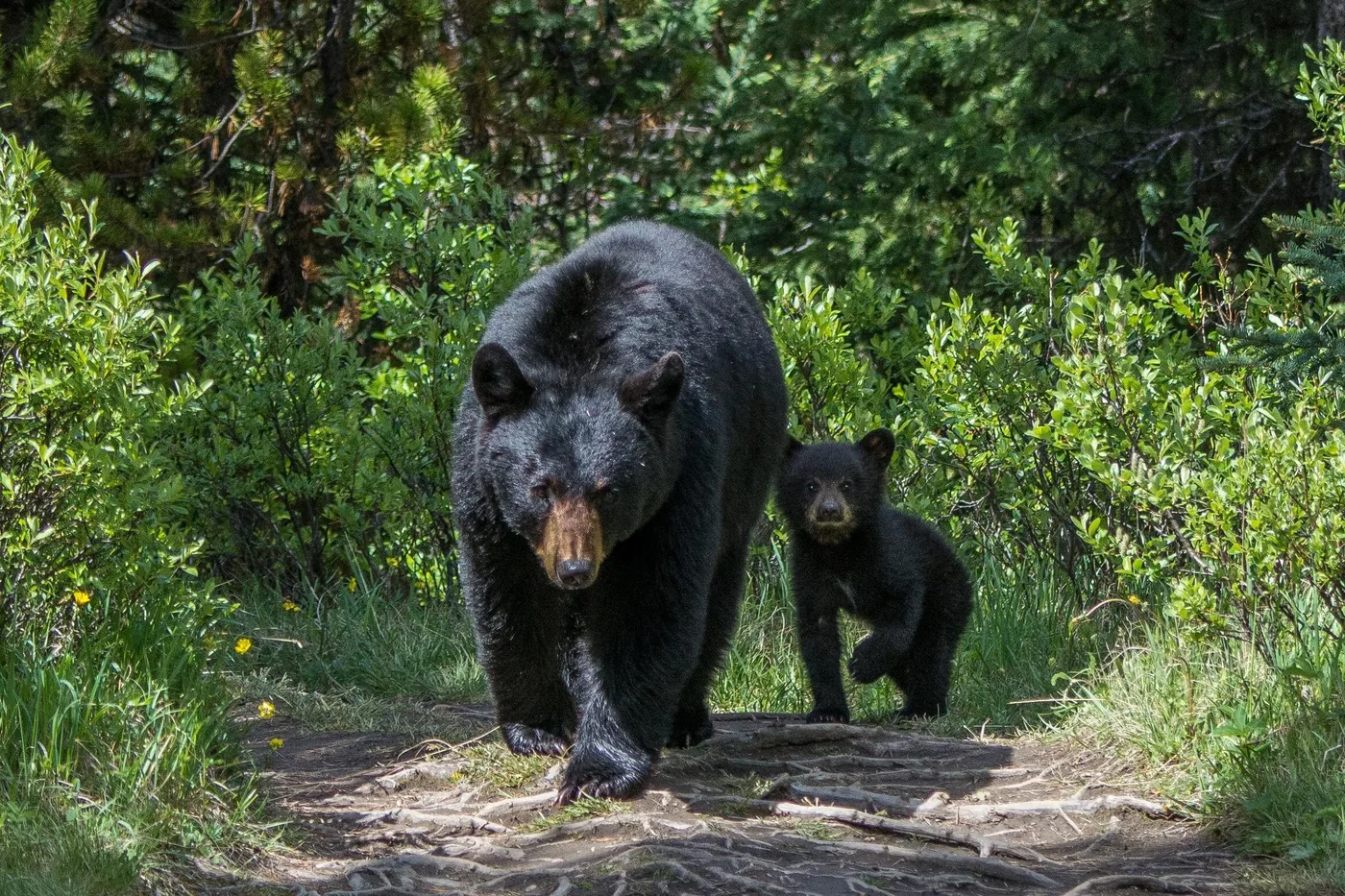
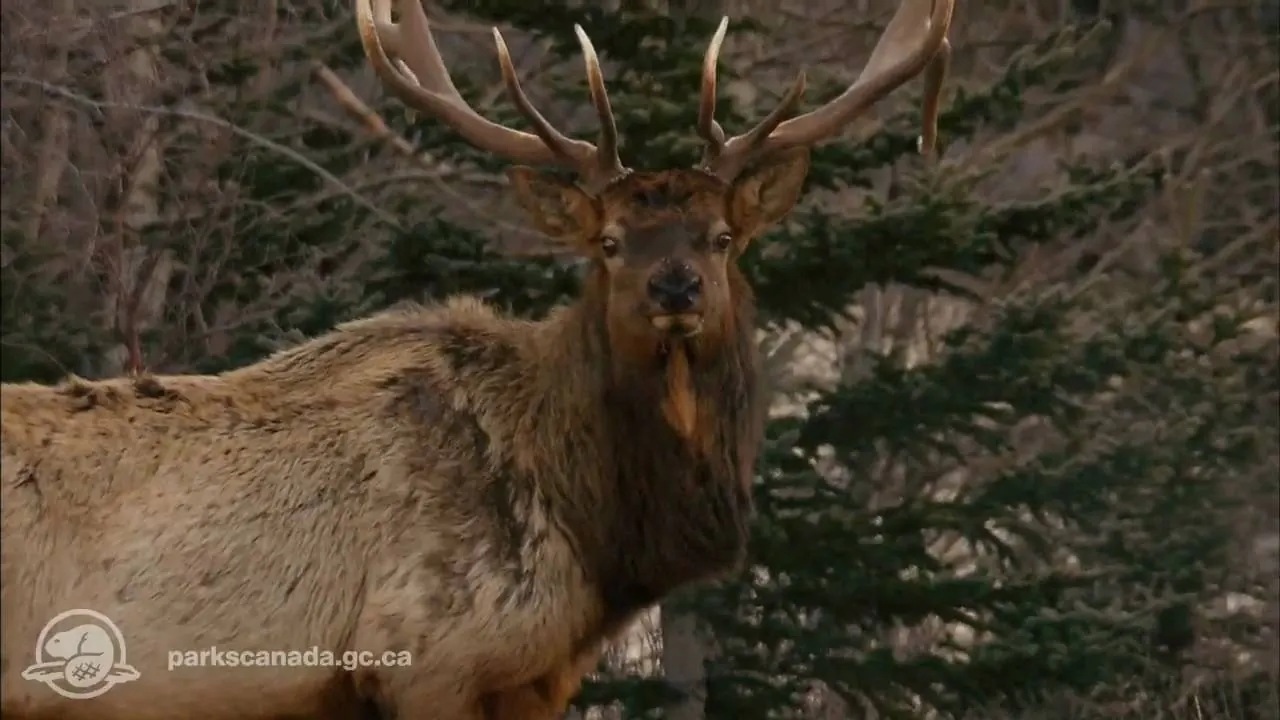
For the Canadian Rockies as a whole, Parks Canada lists 1,300 plant species, 20,000 insect and spider species, 40 fish species, five amphibian species and one reptile species, 277 bird species and 53 mammal species. Jasper itself is home to elk, deer, moose, caribou, bighorn sheep, mountain goats, bears, coyotes, wolves, beavers, martens, lynx, porcupines, cougars, snowshoe hares and wolverines, among others.
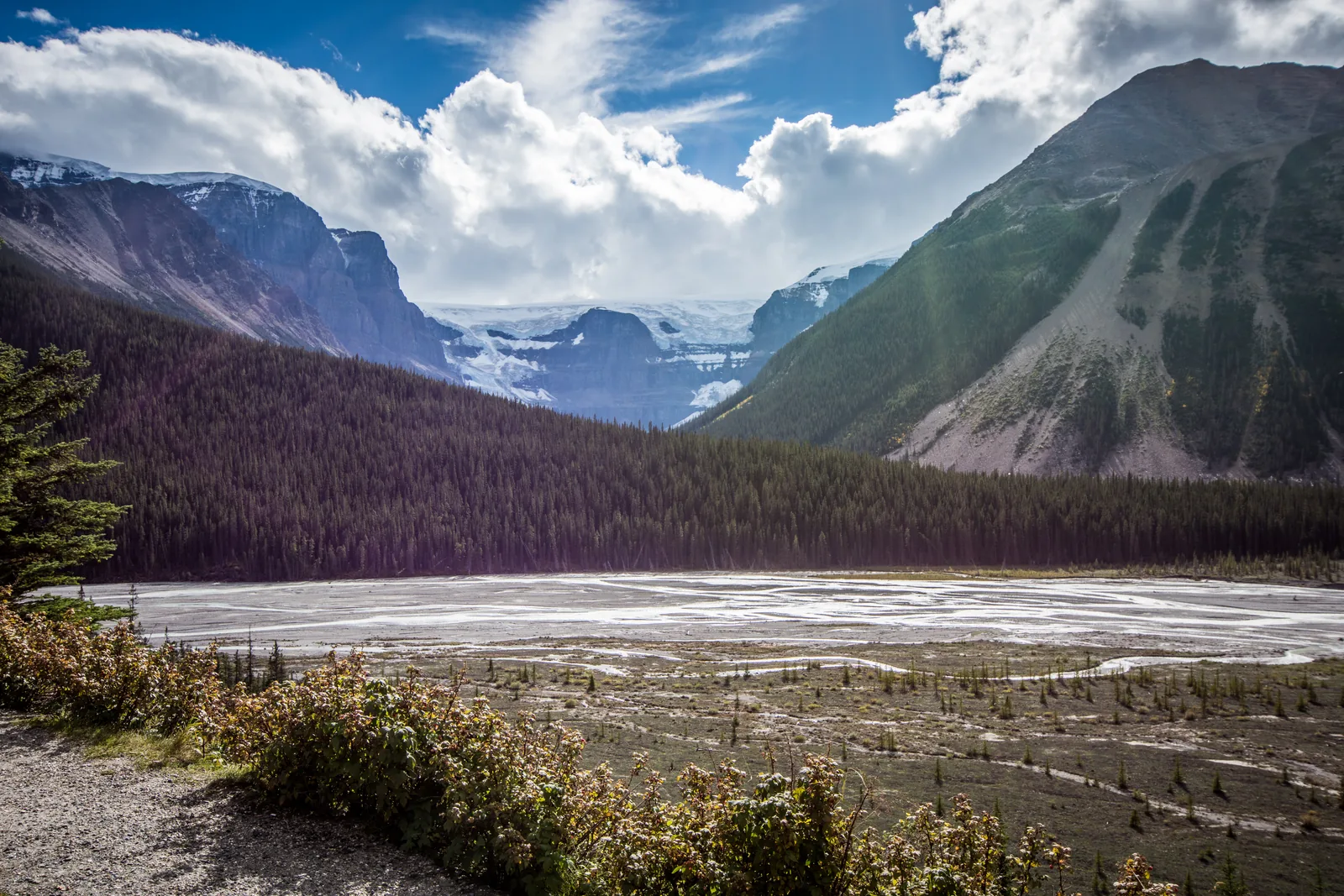
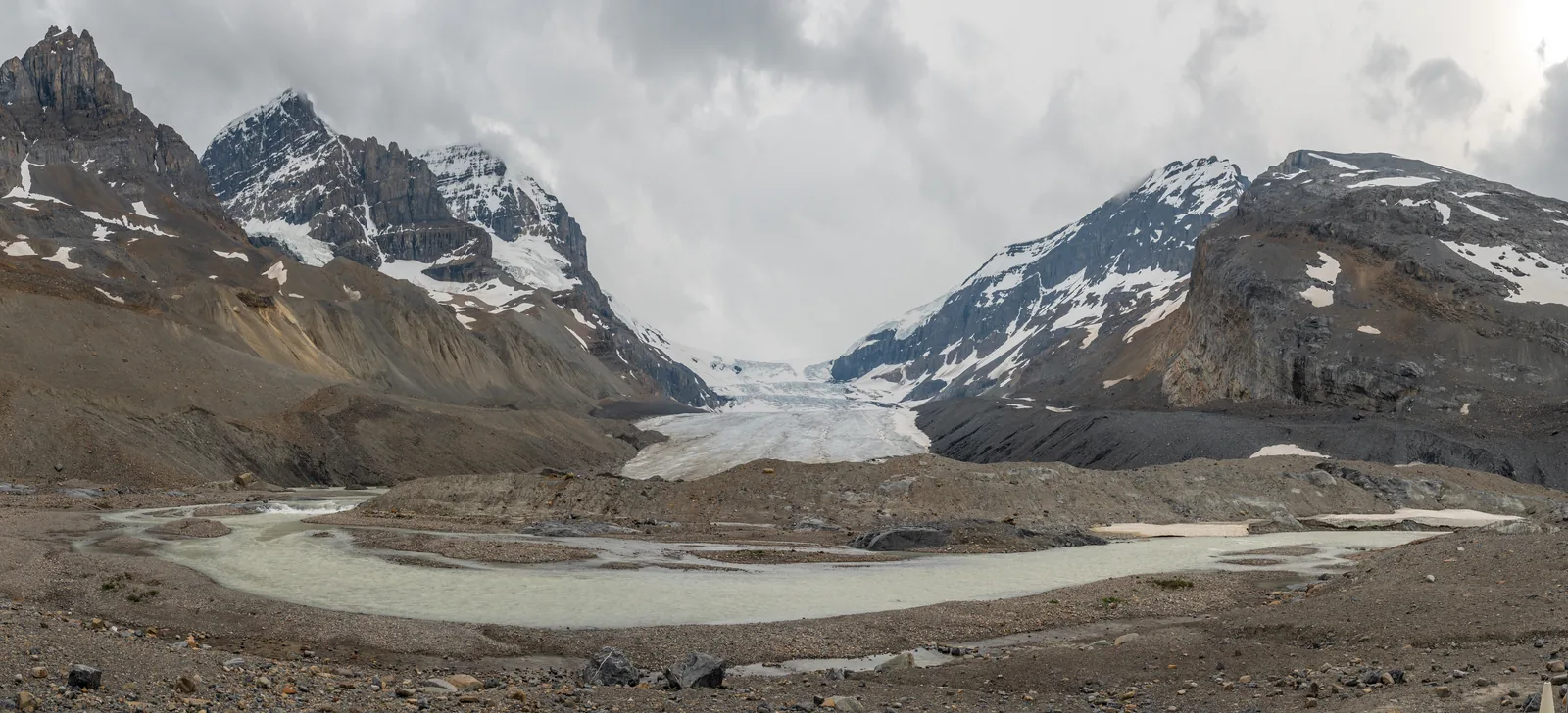
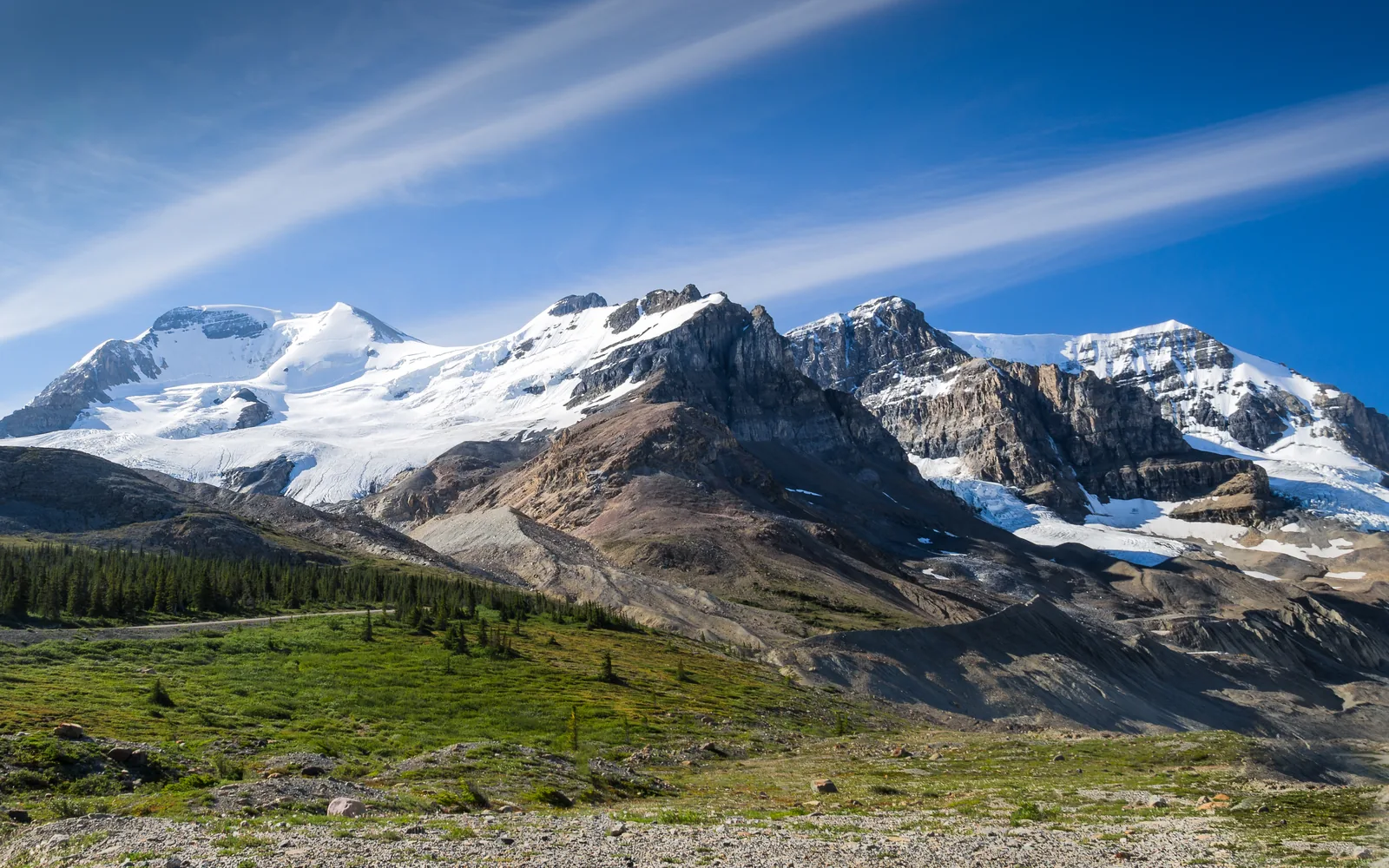
Jasper holds the largest remaining ice masses in the Canadian Rockies; for 2021 Parks Canada counts 392 glaciers. Their meltwater drains in three directions: via the North Saskatchewan and Brazeau to Hudson Bay, via the Athabasca and Smoky to the Arctic Ocean, and via the Columbia and Fraser to the Pacific. Millions of people downstream depend on this water.
On 26 March 2011, the Royal Astronomical Society of Canada declared the park a Dark Sky Preserve, after years of work by Parks Canada, residents and astronomy enthusiasts. The town, businesses and remote lodgings limit their light emissions for it. Every October the park holds a Dark Sky month.
Parks Canada: nature and science (Jasper) ↗
The park in numbers
- Area
- over 11,000 km² (4,247 sq mi)
- Rank
- largest national park in the Canadian Rockies
- Dark Sky Preserve
- since 26 March 2011, second-largest in the world
- Glaciers
- 392, as of 2021
- Mammals in the Rockies
- 53 species
- Birds in the Rockies
- 277 species
- Plants in the Rockies
- 1,300 species
- Insects and spiders
- around 20,000 species
- UNESCO World Heritage
- since 1984, part of the Canadian Rocky Mountain Parks