

Triglav National Park: landscape and origins
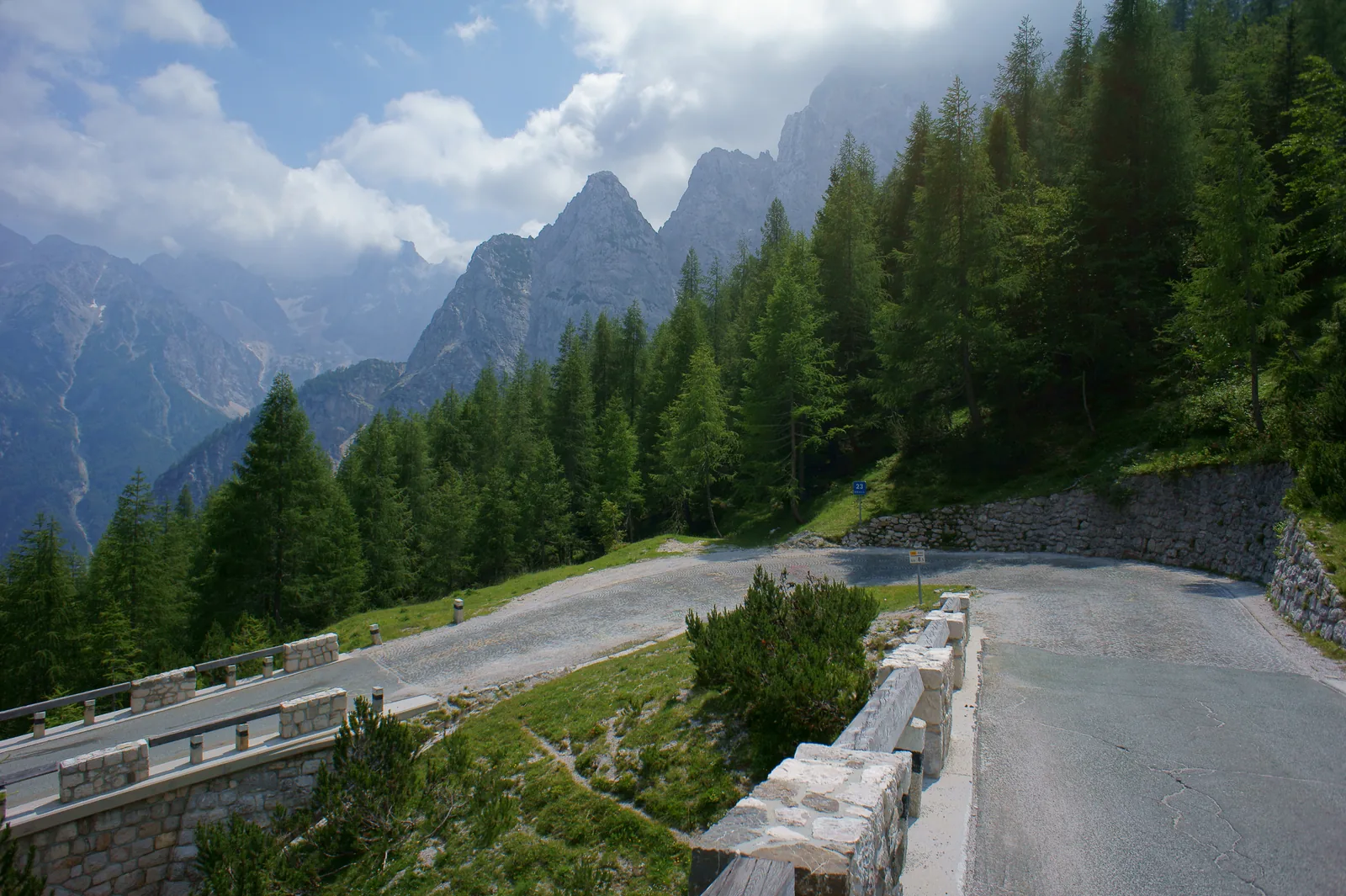
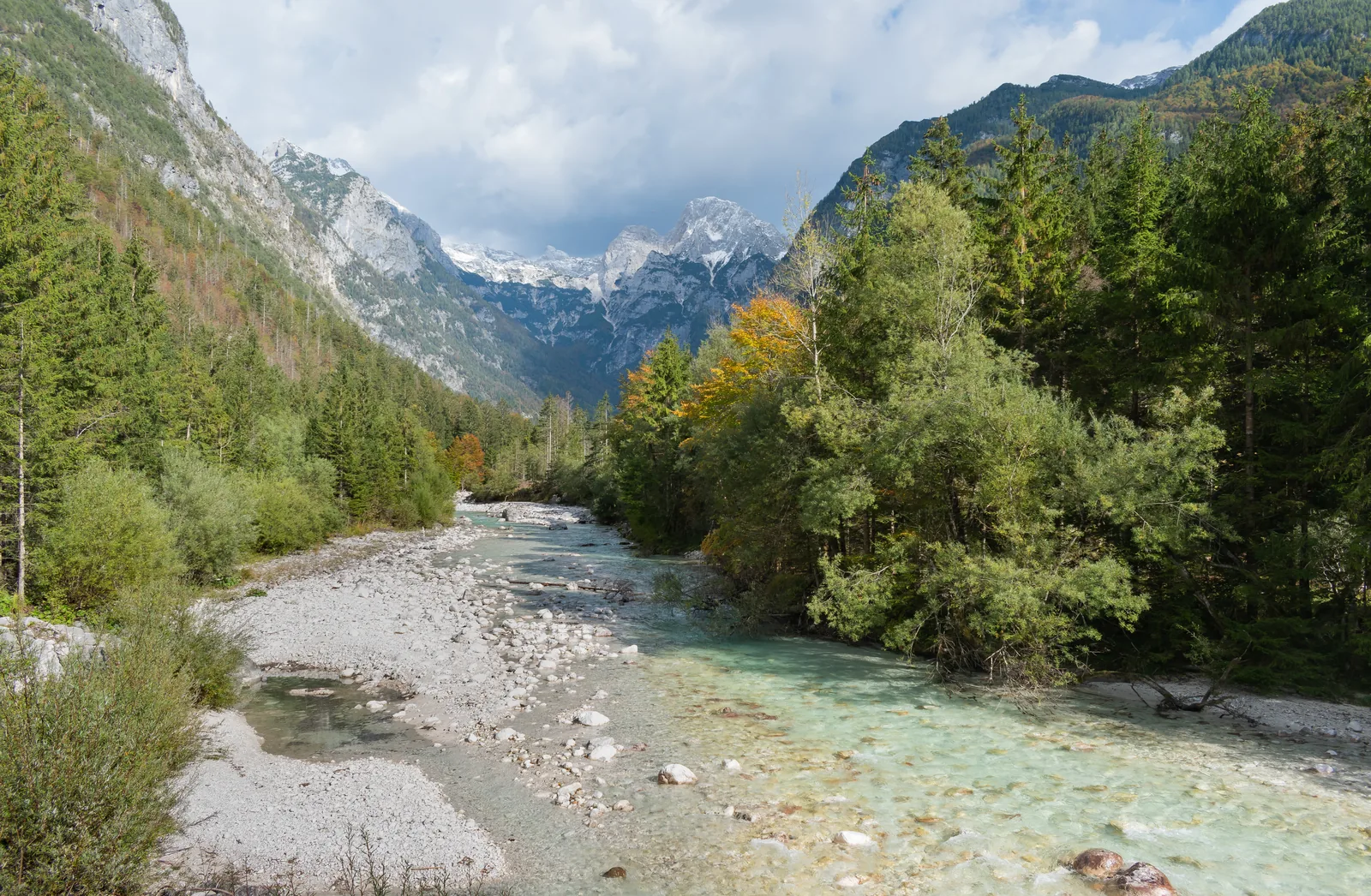
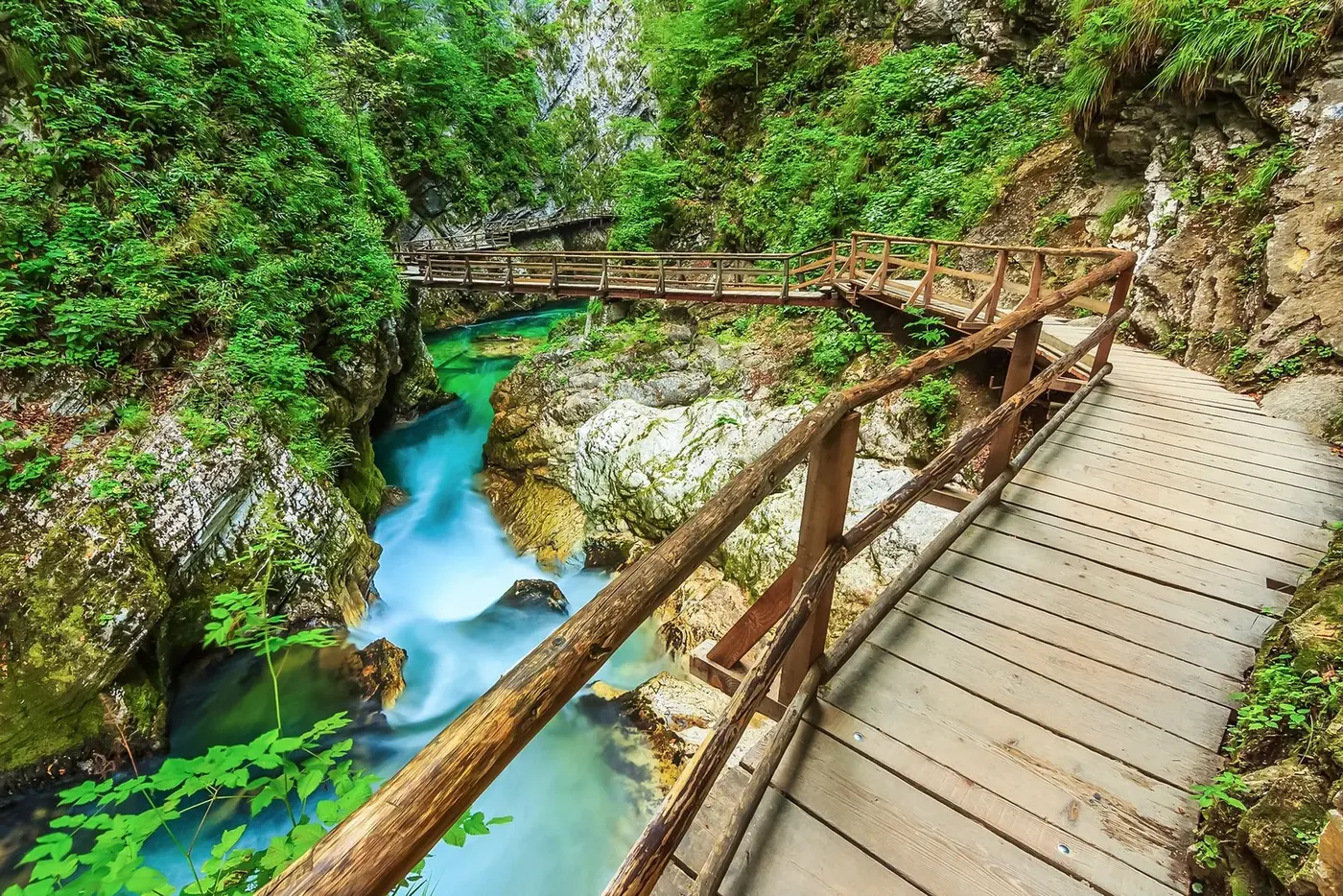
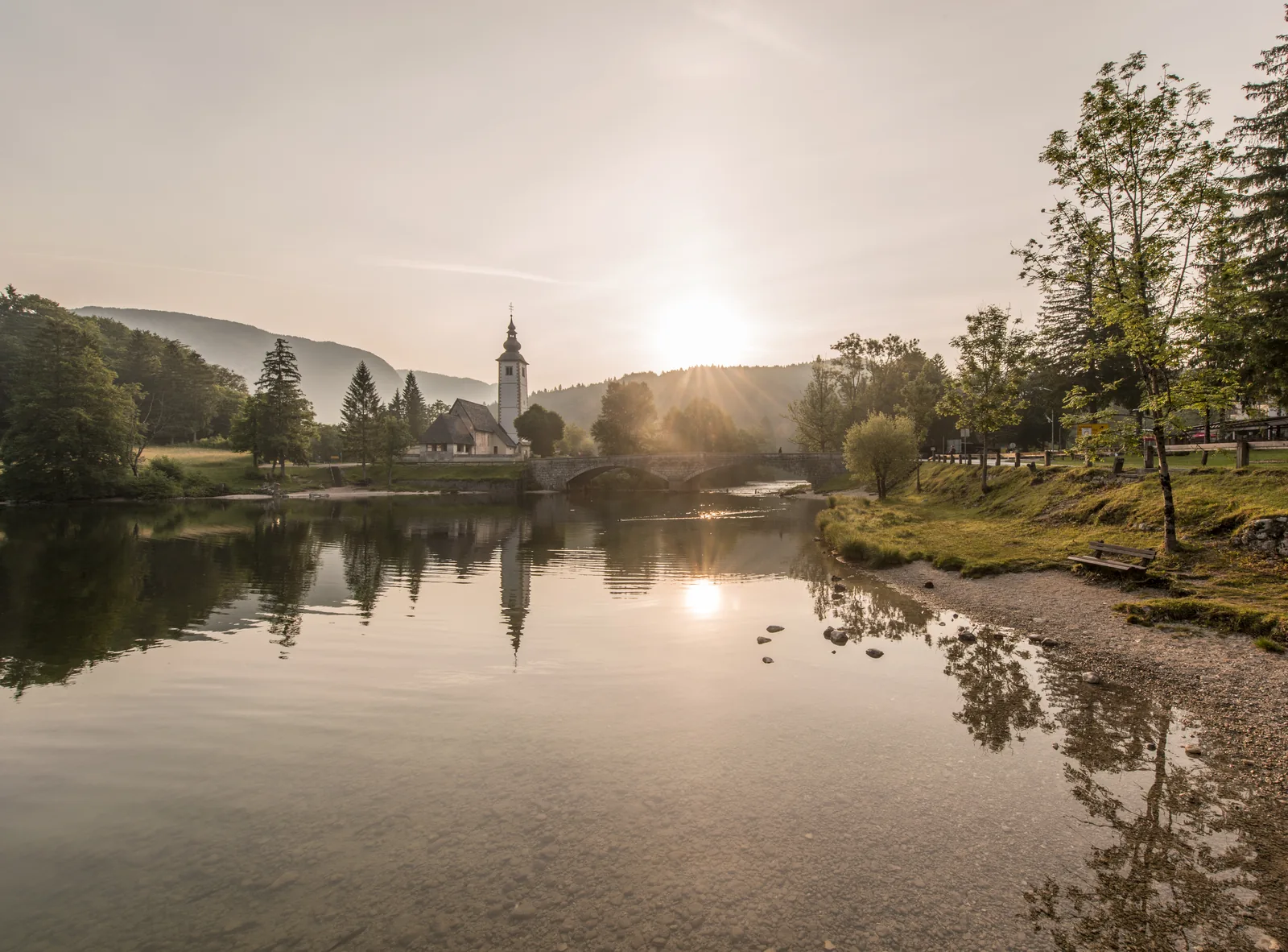
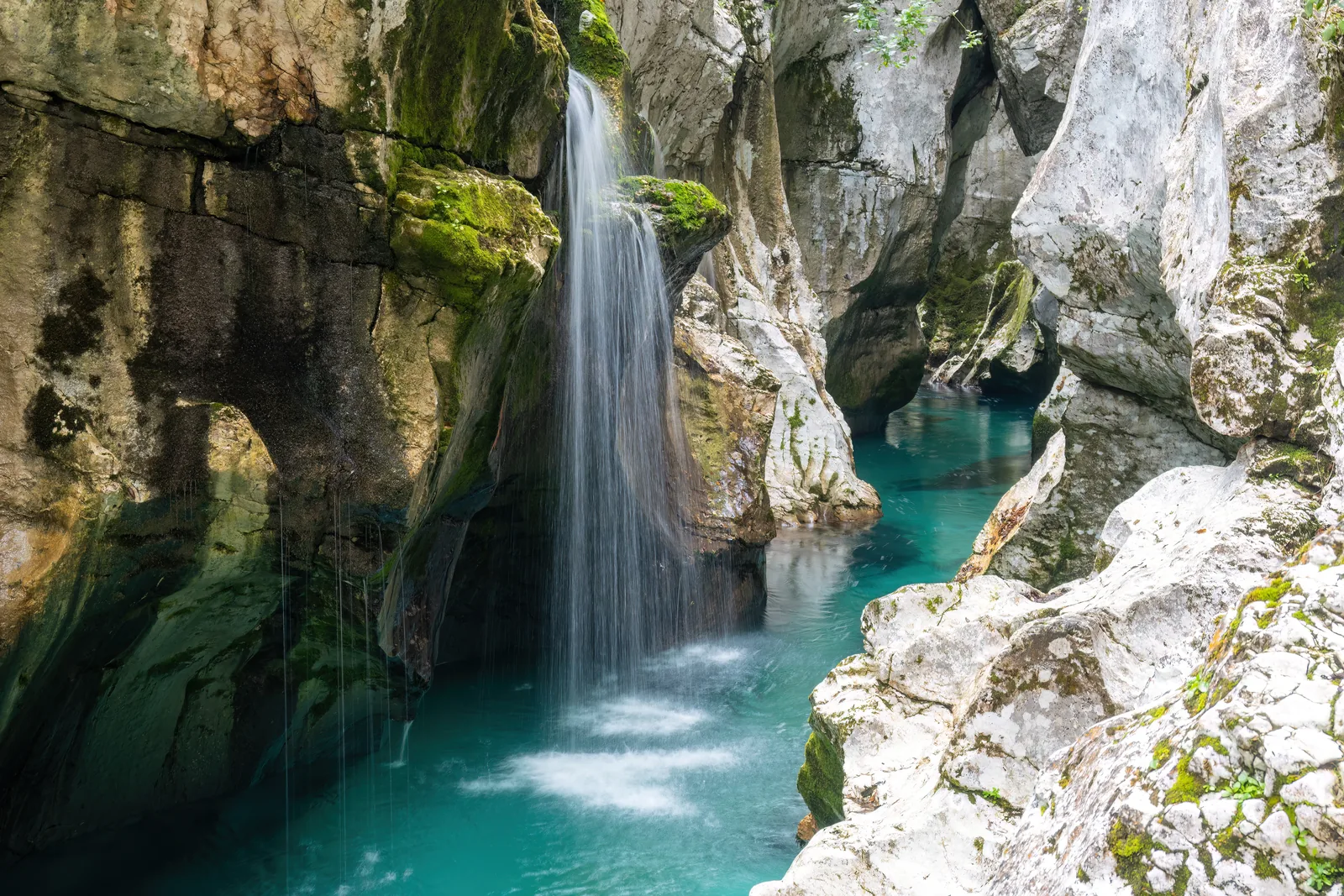
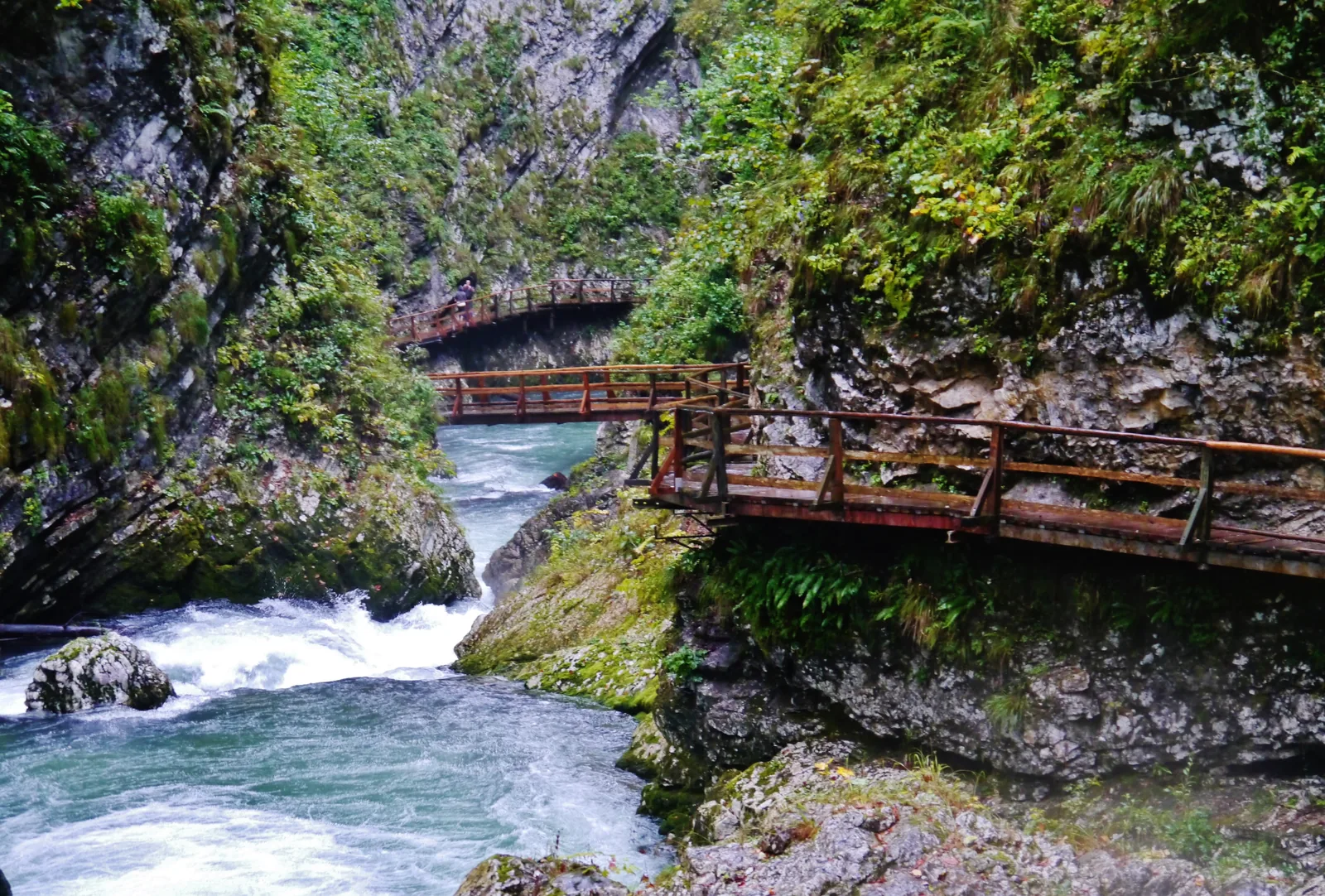
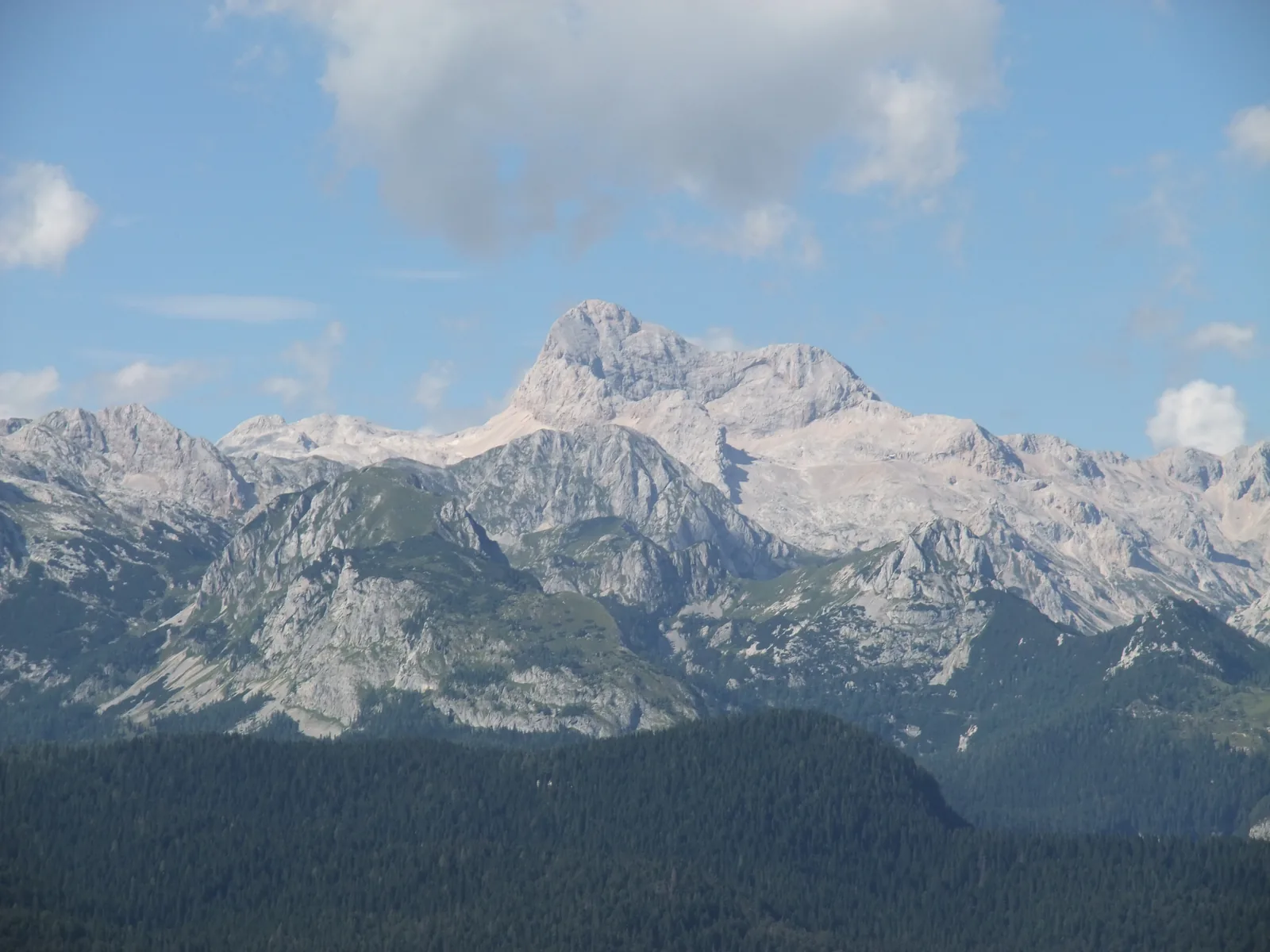
Triglav National Park almost entirely matches the Eastern Julian Alps: limestone peaks, glacial valleys, gorges and karst springs between 180 and 2,864 m (591 and 9,396 ft).
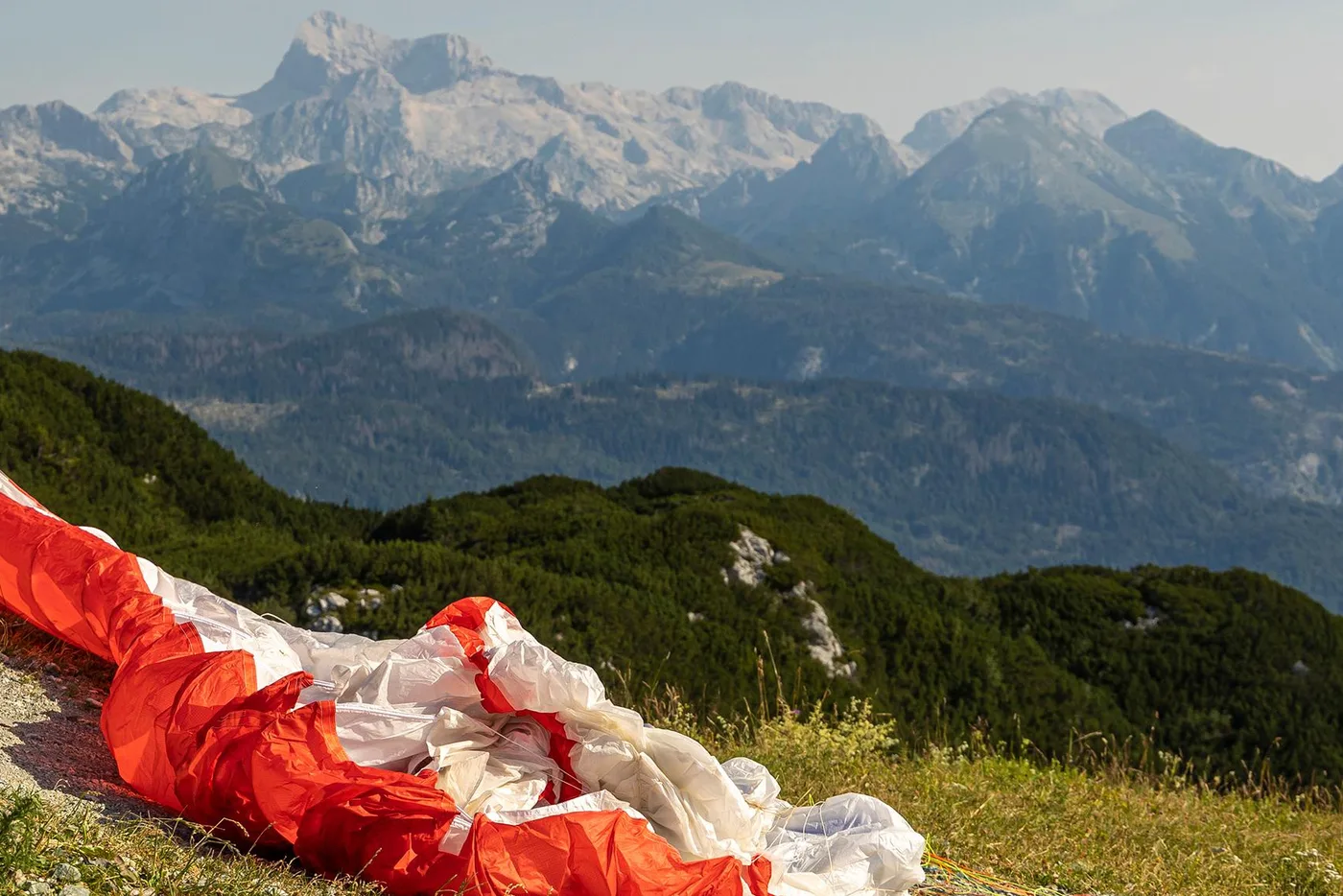
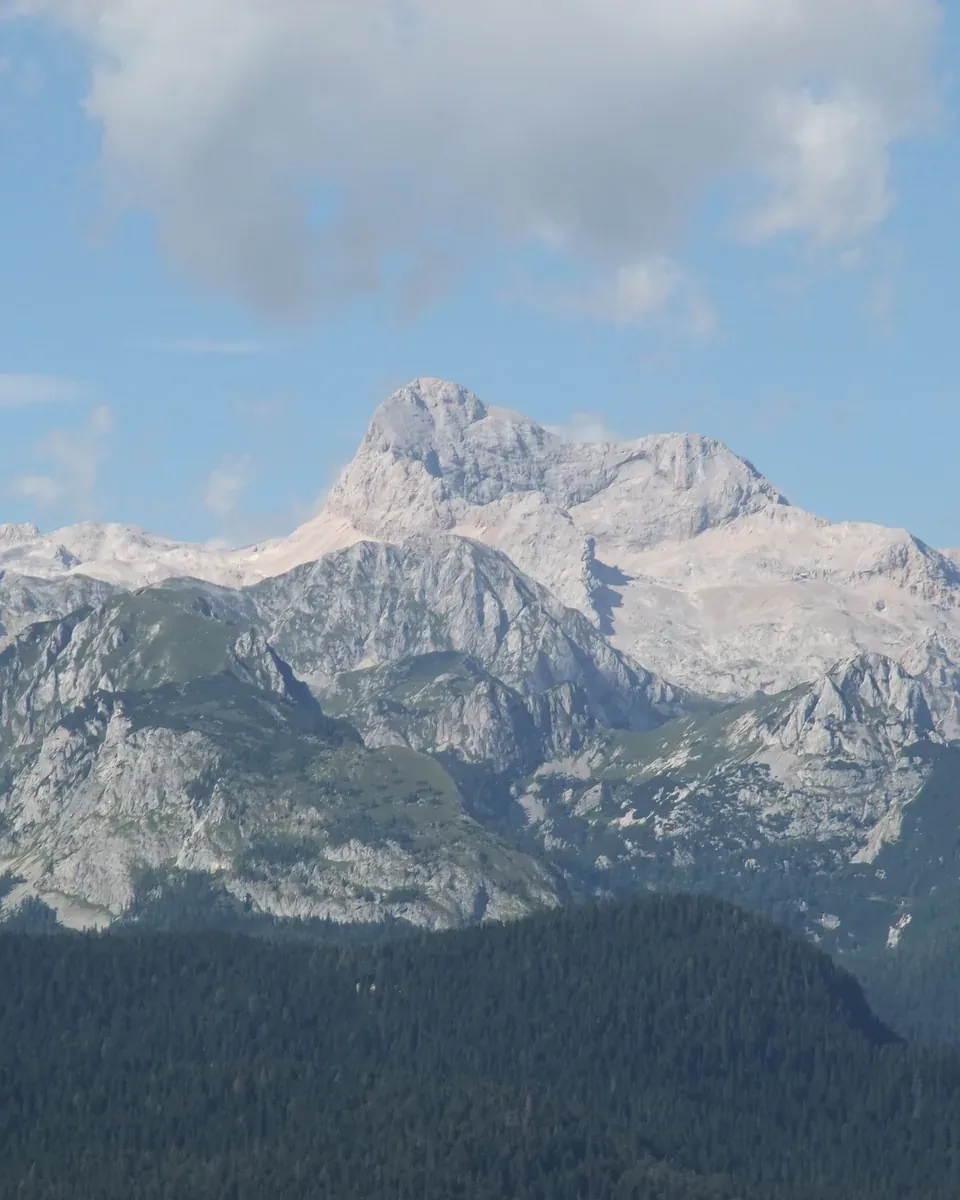
The origin of the name is not clear. It comes either from the shape of the mountain seen from the south-east, or recalls the highest pagan deity, whose seat was believed to be on the summit.
The park is divided into three protection zones: the strictest covers 31,488 hectares, the second 32,412 and the third 20,082. What is allowed, from picking mushrooms to swimming, depends on which zone you are in.
Since 2003 the Julian Alps and the park have been part of UNESCO's Man and the Biosphere programme. In 2004 the park received the Council of Europe's European Diploma, which was renewed in 2019 until 2029.
Triglavski narodni park: basic information ↗
The park in numbers
- Area
- 840 km² (324 sq mi) · 83,982 hectares
- Share of Slovenia
- about 4 per cent
- Elevation
- 180 to 2,864 m (591 to 9,396 ft)
- Settlements in the park
- 33, about 2,300 inhabitants
- Endemic plants
- 19
- Protected since
- 1924 · national park since 1961