National Parks Atlas

National Parks Atlas · Country · checked 2 Oct 2026

National Parks in the United States

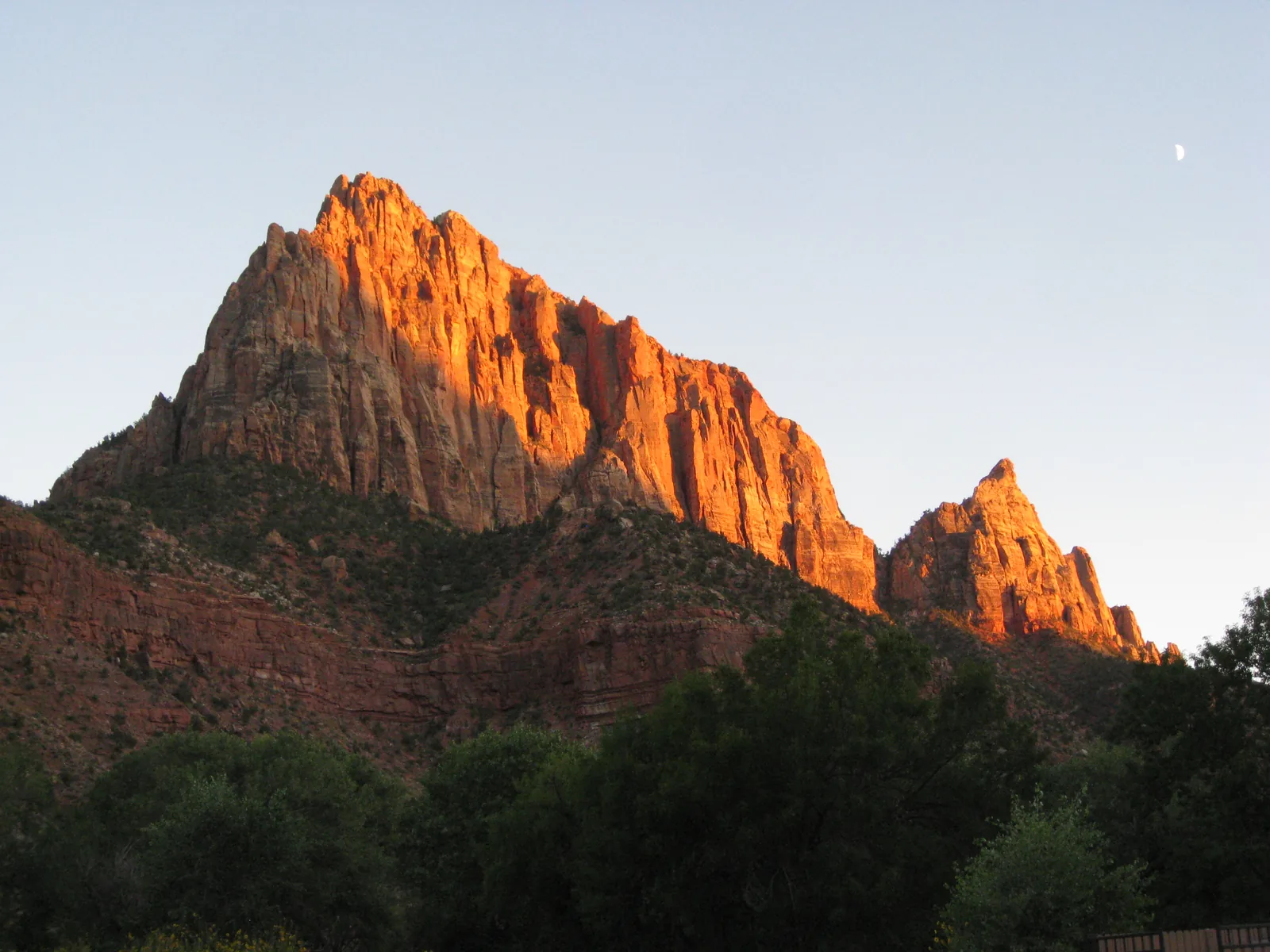
63 national parks, and since 2026 two prices: at eleven of the busiest, every visitor aged 16 or over without US residence pays $100 on top of the entrance fee. At the others you pay what Americans pay.

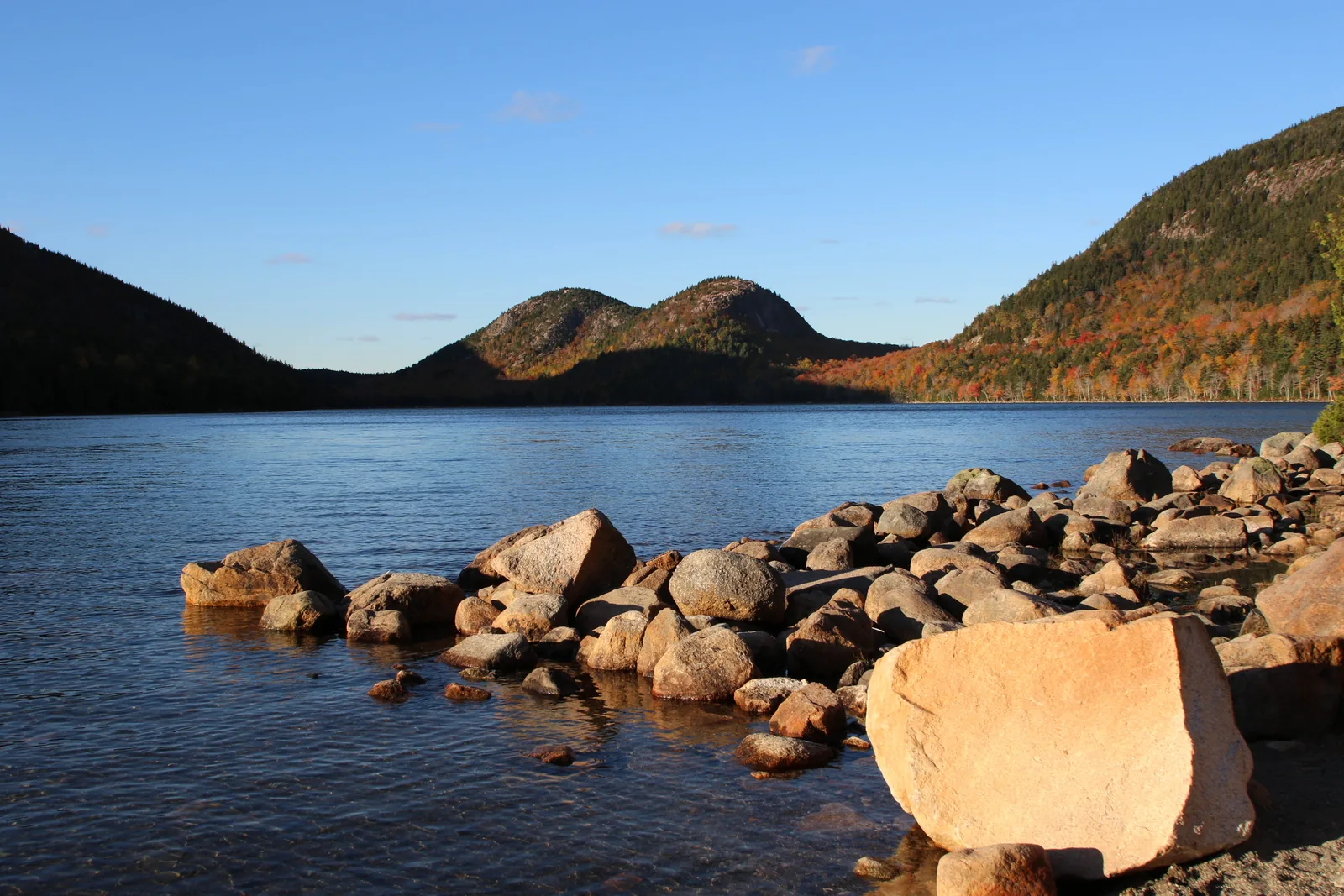
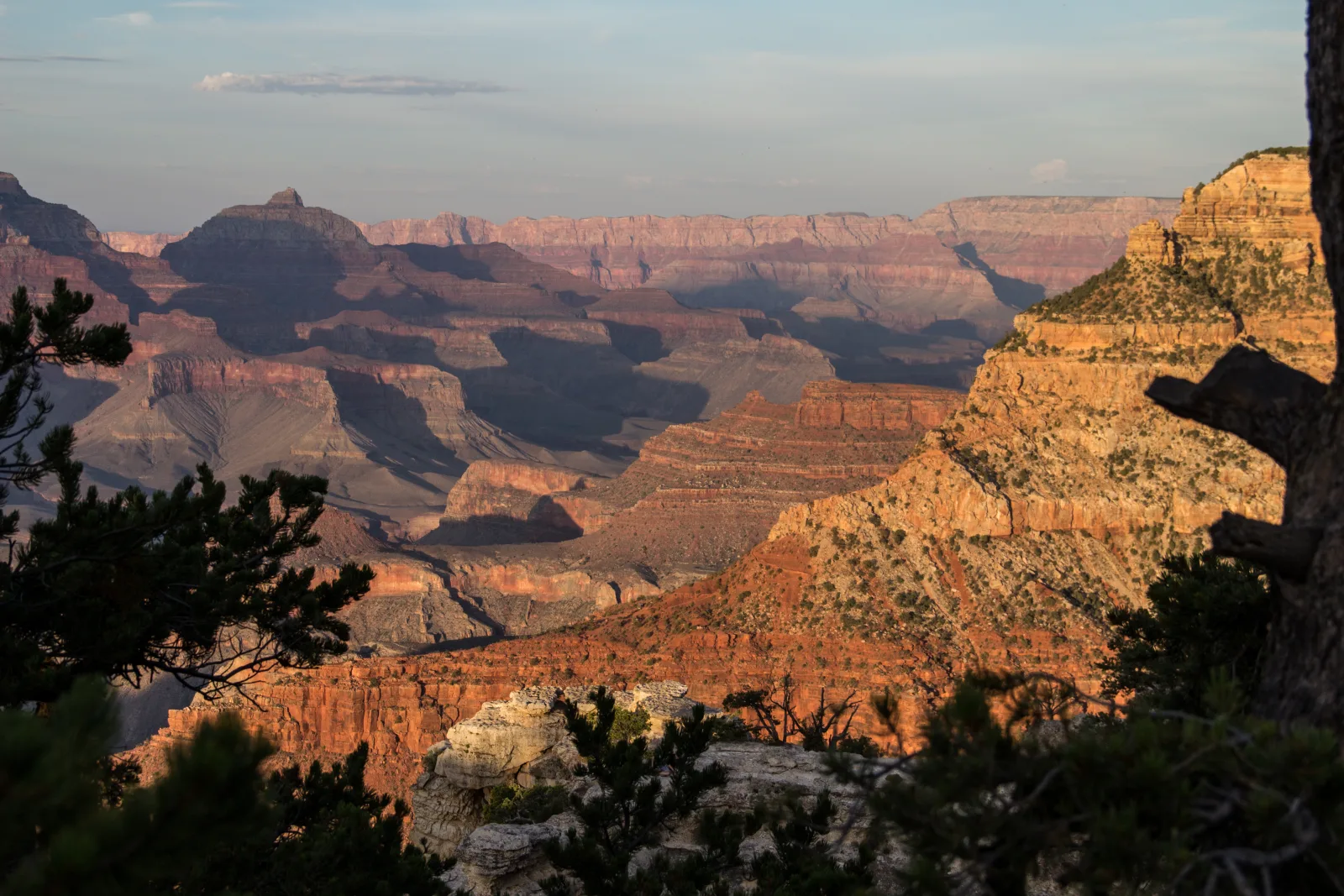
Photo: Victoria Stauffenberg ↗ · Public domain ↗

13Park guides

from Acadia to Zion, each with fees and reservations

349Official sources

park authorities, operators and transport providers

$100Non-resident fee

per person aged 16 or over, at 11 parks

$250Non-resident pass

America the Beautiful, one vehicle for 12 months

Last checked: 2 Oct 2026

The United States has 63 national parks. This atlas covers 13 of them in full: entrance fees, road openings, reservations, campgrounds and safety rules, each linked to the page of the National Park Service that publishes it.

For visitors from abroad, one question decides the budget before any other: is the park on the list of eleven that charge the $100 non-resident fee? Acadia, Bryce Canyon, Everglades, Glacier, Grand Canyon, Grand Teton, Rocky Mountain, Sequoia & Kings Canyon, Yellowstone, Yosemite and Zion are. Arches, Death Valley, Joshua Tree, Olympic and Redwood are not. The guide for international visitors explains the fee, the pass and what to book in detail.

01 · Park guides

13 US national park guides

Fees, roads, reservations and the rules that apply, from the National Park Service.

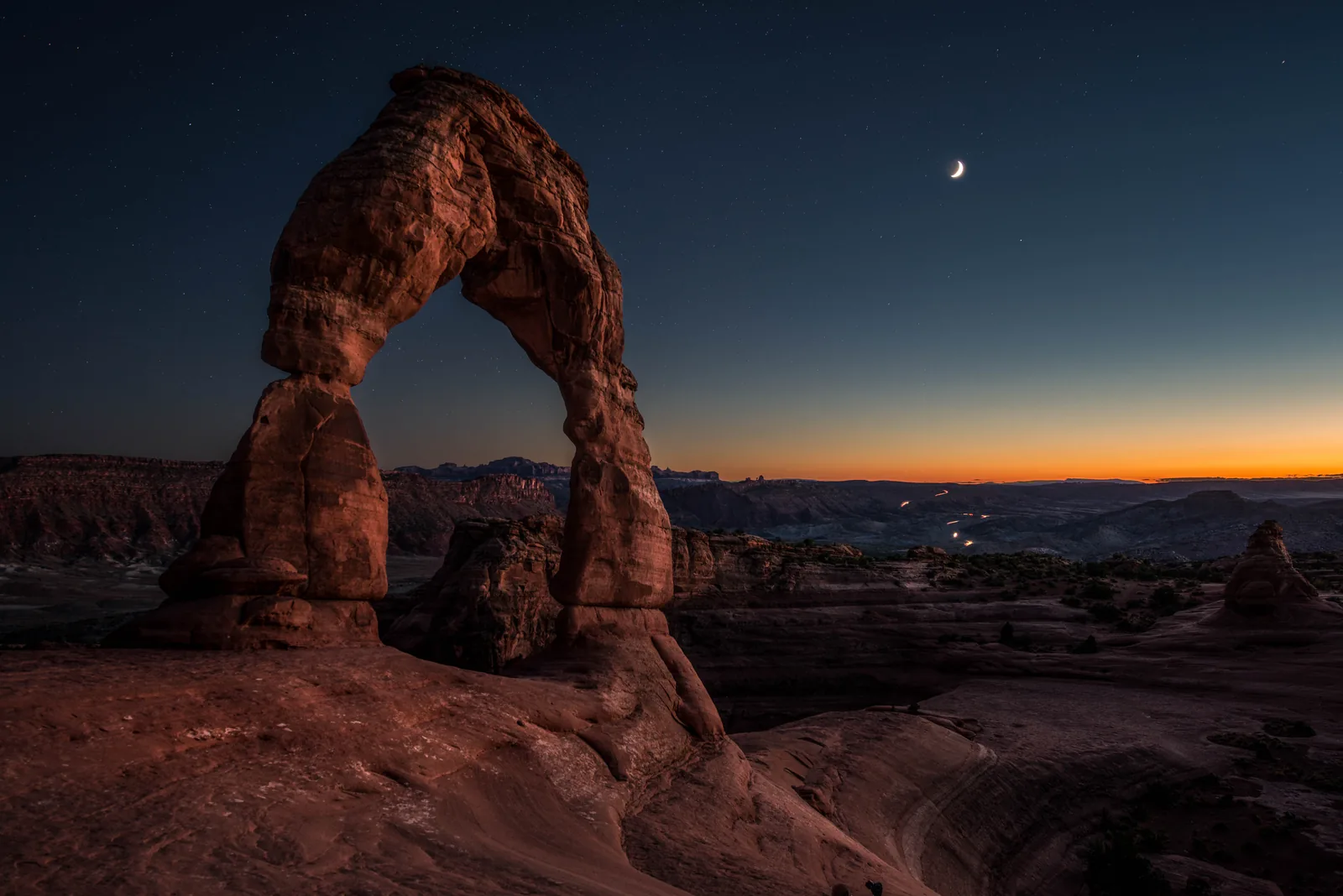
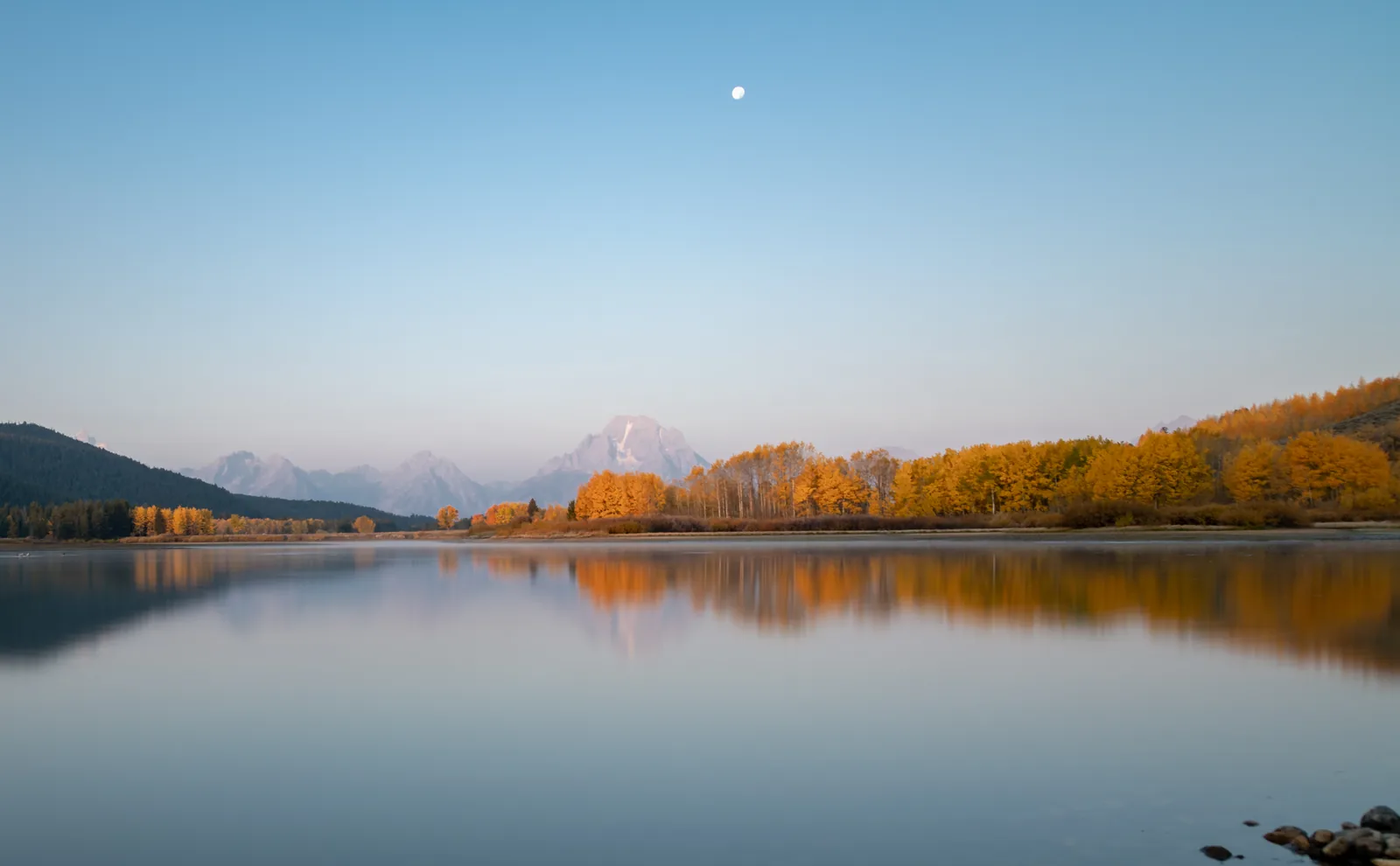
Photo: Bernd Thaller ↗ · CC BY 2.0 ↗

Guide

US national parks for international visitors: the $100 fee, the $250 pass and what to book

If you do not live in the United States and are 16 or older, 11 of the busiest national parks charge you $100 on top of the normal entrance fee. The $250 Non-Resident Annual Pass removes that fee for everyone in your car and is cheaper as soon as you visit two of these parks.

Read the guide

02 · Fees & passes

US national park fees and passes for international visitors

Three things decide what you pay: the entrance fee, the $100 surcharge and whether a pass covers both.

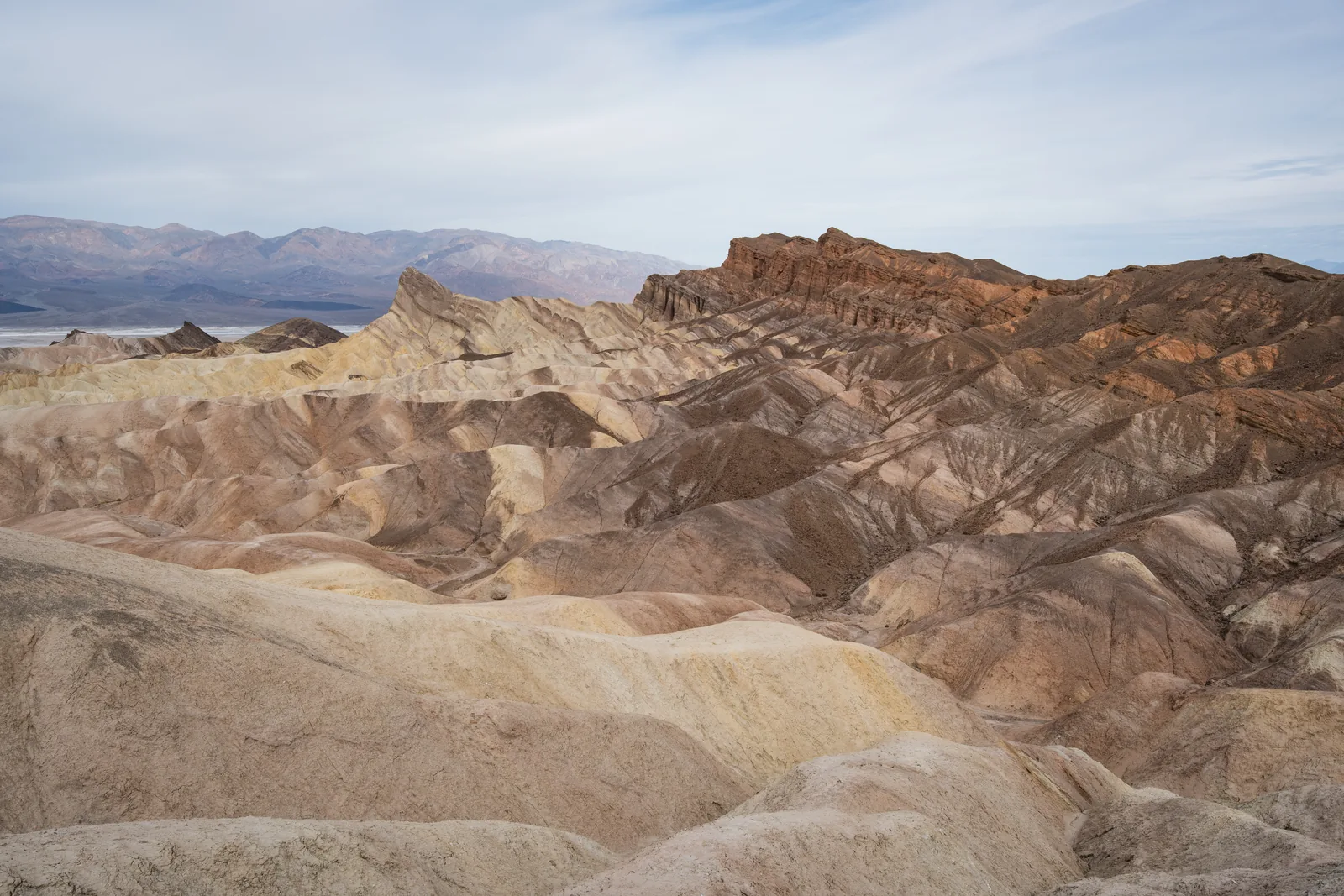
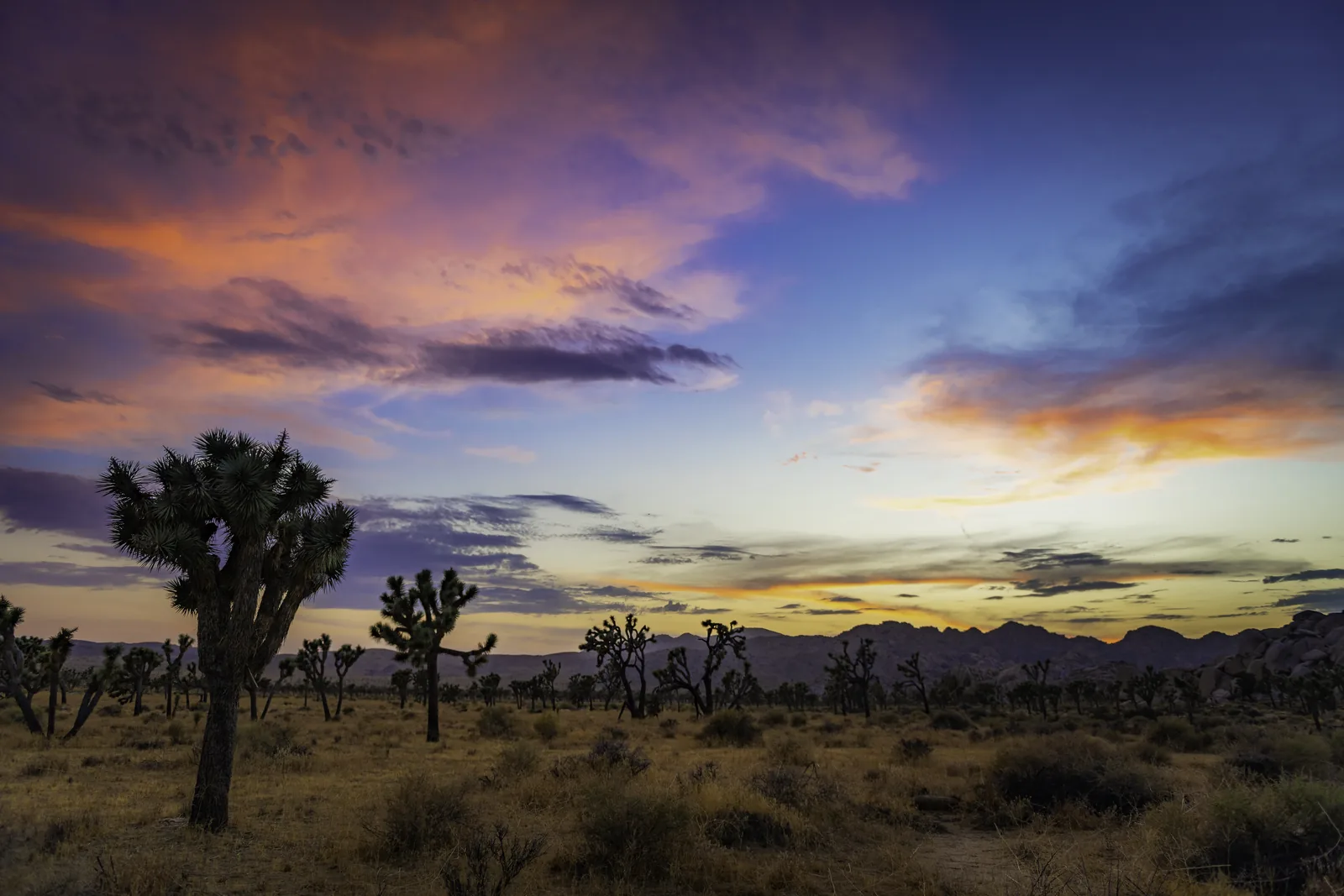
Photo: Christian David ↗ · CC BY-SA 4.0 ↗

The entrance fee

Most parks in this atlas charge per private vehicle, with everyone in it, for seven days: $35 at Acadia, Glacier, Grand Canyon, Grand Teton, Sequoia & Kings Canyon, Yellowstone, Yosemite and Zion, and $30 at Arches, Death Valley, Joshua Tree and Olympic. Redwood National Park charges no entrance fee at all; a day-use fee applies at only three sites there, payable in cash.

The $100 non-resident fee

Since 2026, eleven parks charge every person aged 16 or over without US residence an extra $100 on top of the entrance fee. It also applies on commercial tours. Two adults in one car at Yellowstone, Yosemite, Zion or Grand Canyon therefore pay $235 instead of $35. Children aged 15 and under pay neither fee.

The America the Beautiful pass

Visitors without US residence can buy the non-resident America the Beautiful pass for $250 (US residents pay $80). It is valid for twelve months at all federal recreation sites, covers one vehicle or four individuals and removes the $100 surcharge. For a couple it is cheaper from the second surcharge park onwards, and at Glacier it is almost level on the very first visit. Yellowstone and Grand Teton border each other: without the pass a couple pays $235 twice, $470 in total. As a digital pass from Recreation.gov it is valid immediately; the printed card takes up to three weeks by post.

If your route only includes parks without the surcharge, the pass rarely pays off: Arches, Death Valley, Joshua Tree and Olympic cost $30 per car.

Fee-free days and park passes

Since 2026 the National Park Service's fee-free days apply to US residents only. The single-park annual passes, such as the $70 passes for Yellowstone and Acadia and the $55 regional pass for Arches and Canyonlands, are also for US citizens and residents only.

Cash or card

Take a card. Grand Canyon, Yosemite, Sequoia & Kings Canyon, Olympic and Death Valley do not accept cash at the entrance, and at Acadia the vehicle pass is card only. Yellowstone takes cash or card at all five entrance stations. Redwood is the exception the other way round: its three day-use sites accept cash only.

03 · Compare

US national parks compared: fee, surcharge and reservations

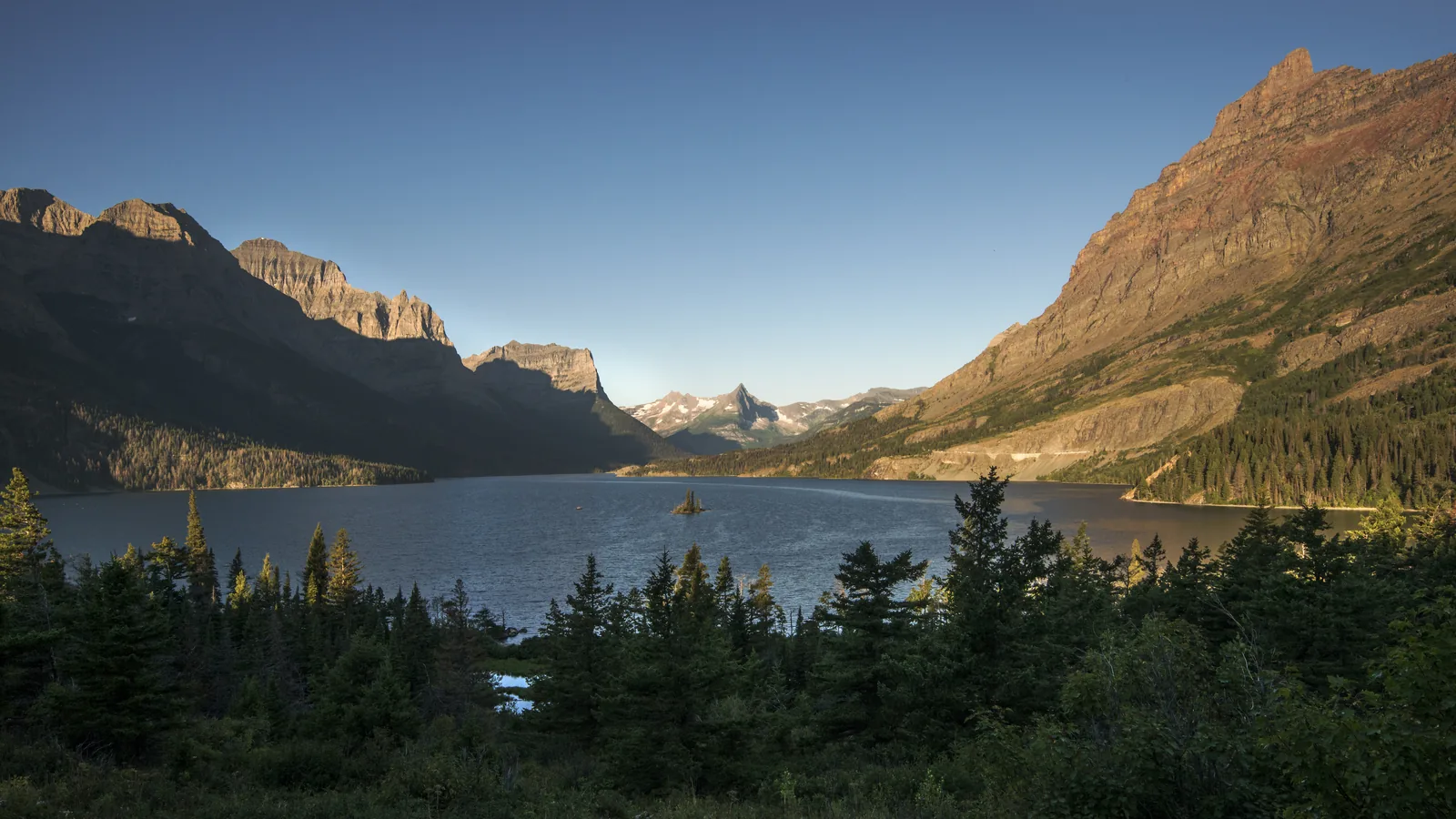
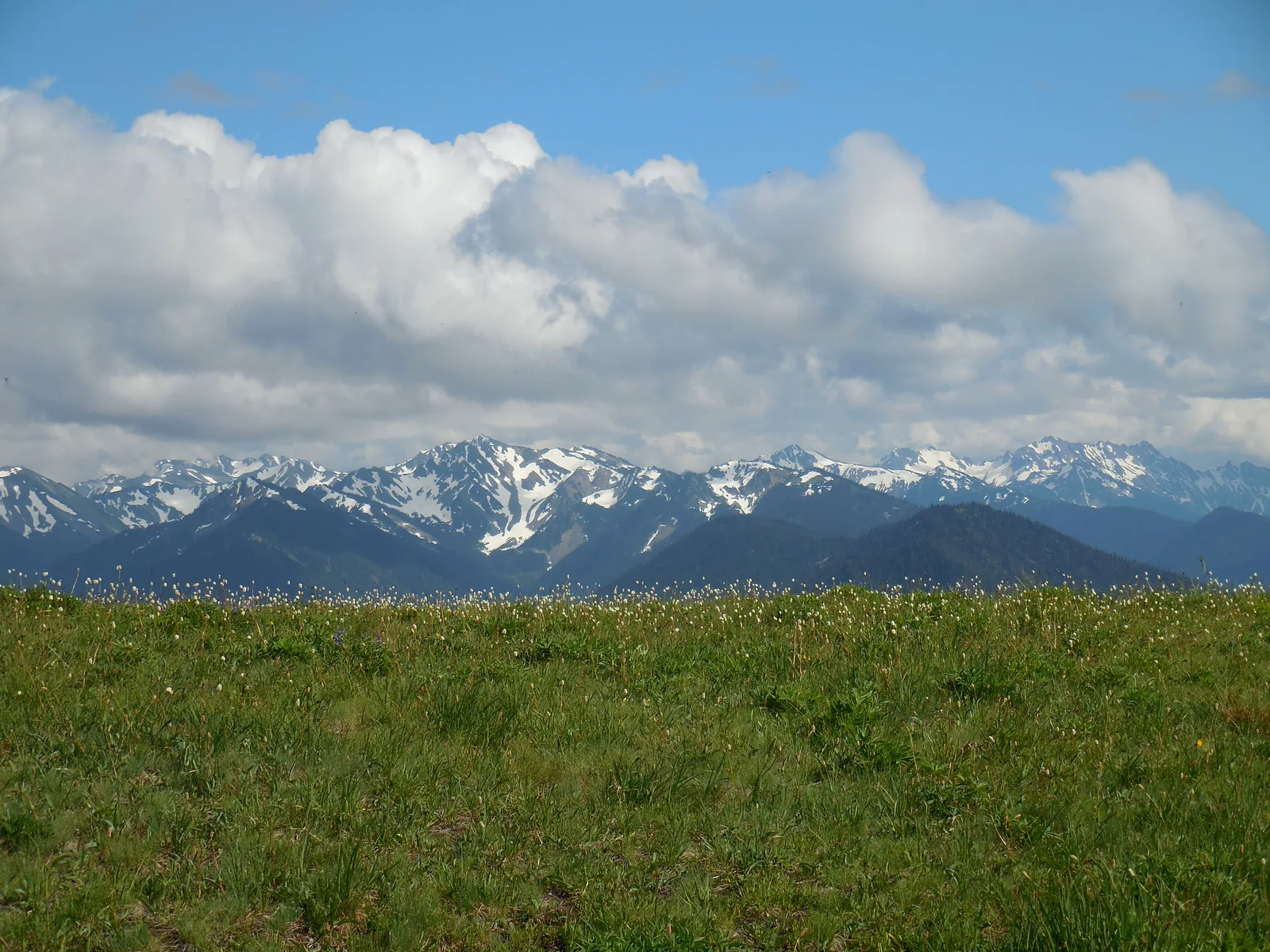
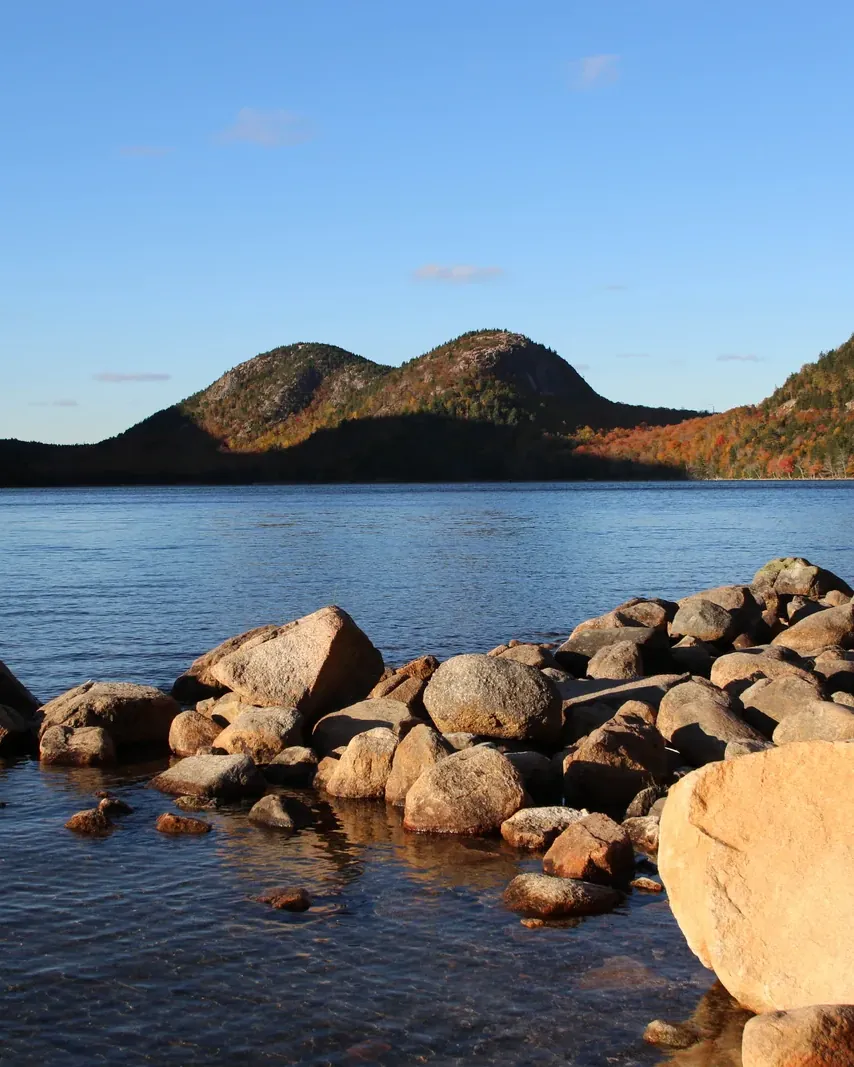
Photo: National Park Service (NPS / Tim Rains) ↗ · Public domain ↗

ParkStateVehicle, 7 days$100 feeWhat to know
AcadiaMaine$35YesCadillac Summit Road needs a $6 vehicle reservation from 20 May to 25 October
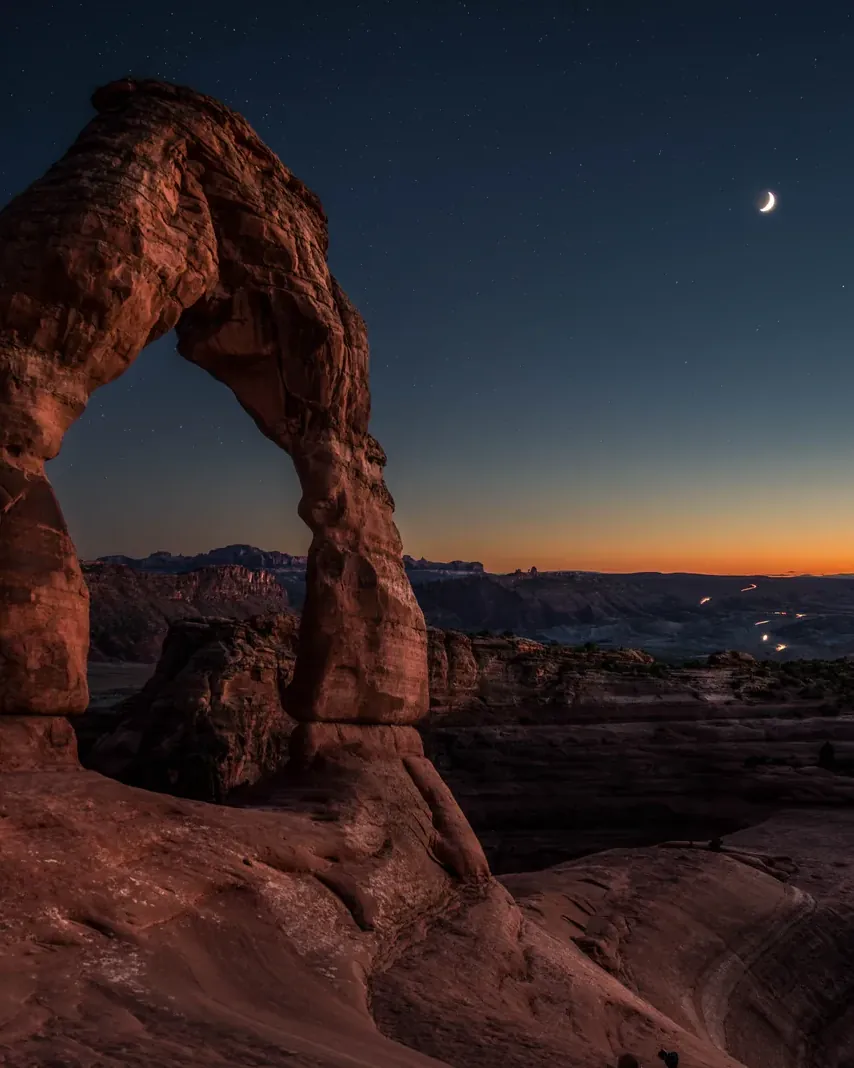
ArchesUtah$30NoNo timed entry at present; when full, vehicles are held at the entrance for three to five hours
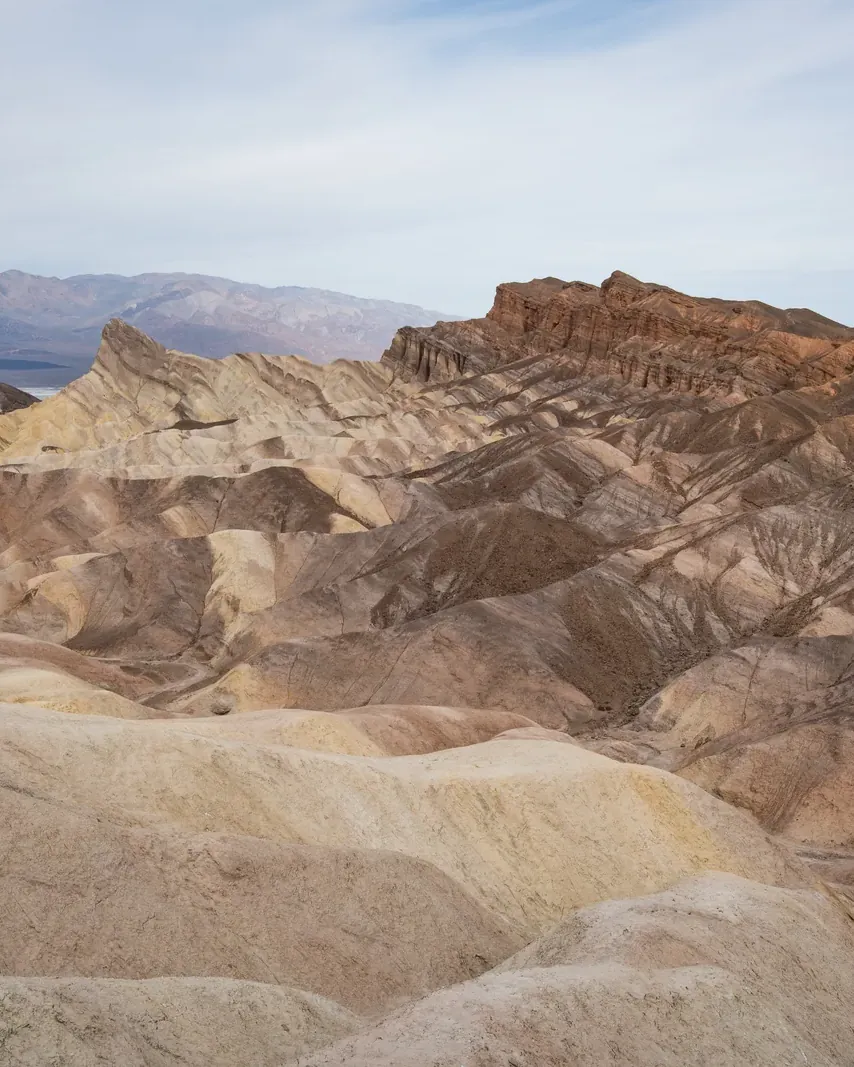
Death ValleyCalifornia, Nevada$30NoCard only at the entrance; best from November to March
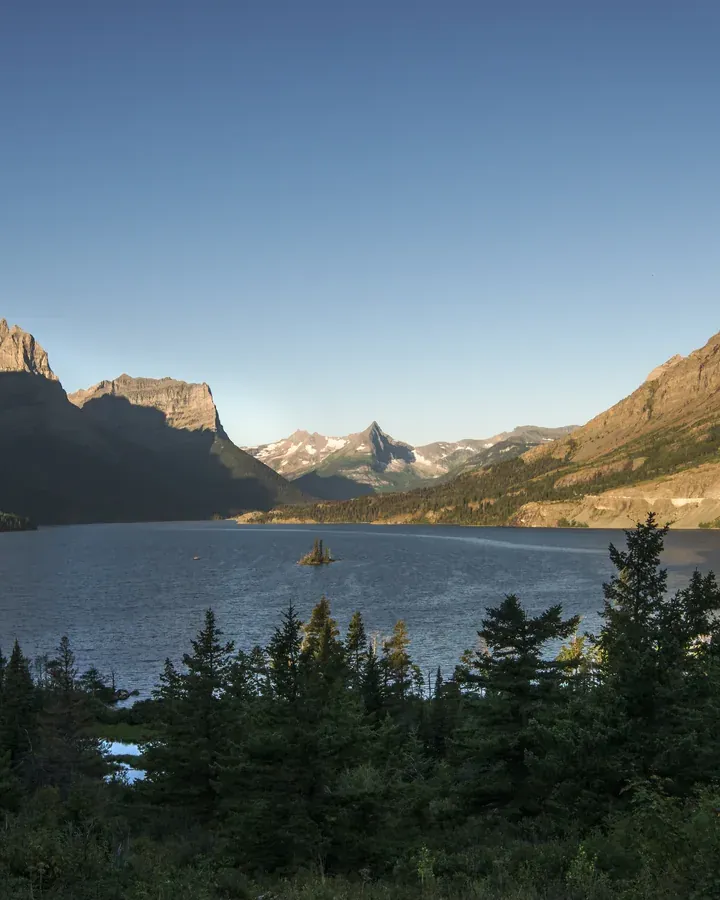
GlacierMontana$35YesNo vehicle reservation in 2026; Going-to-the-Sun Road fully open from late June or early July
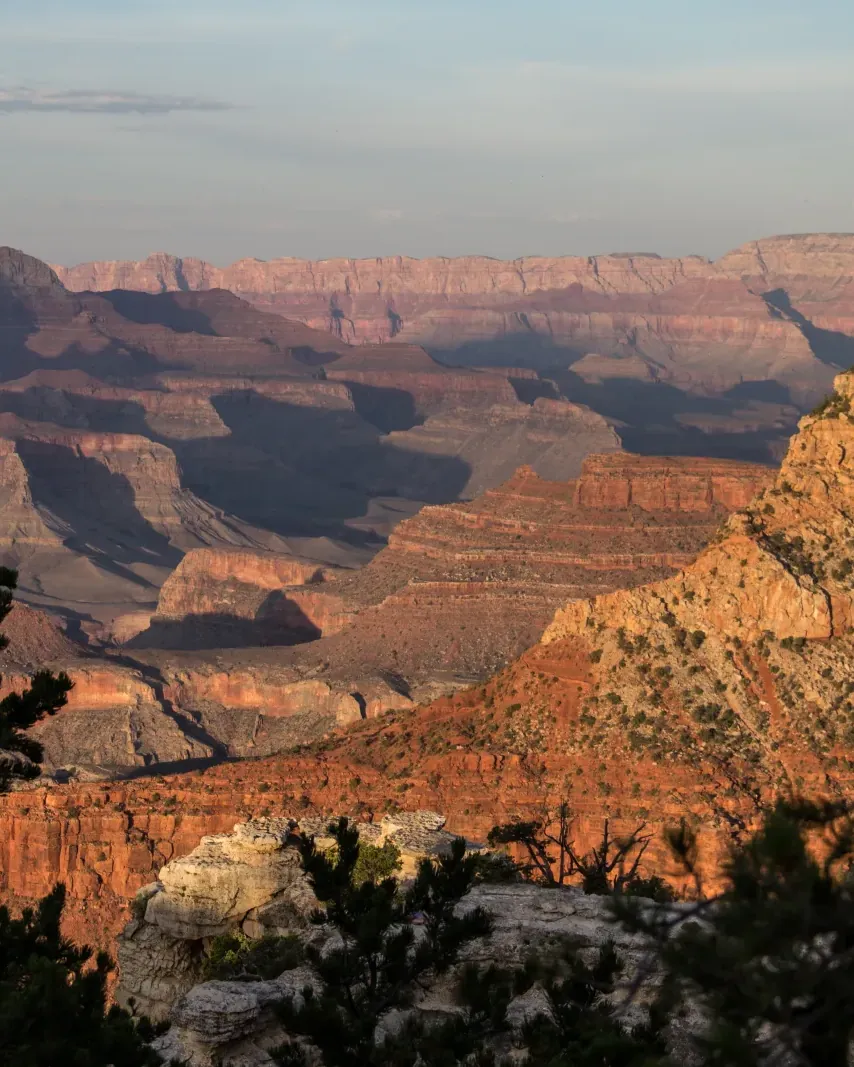
Grand CanyonArizona$35YesNo entry reservation; card only; North Rim only partly open in 2026
Grand TetonWyoming$35YesBorders Yellowstone; Jenny Lake boat shuttle from 15 May to 30 September
Joshua TreeCalifornia$30NoNo timed entry; no water, fuel or mobile signal in the park
OlympicWashington$30NoNo entry reservation; areas lie half an hour to four hours apart
RedwoodCaliforniaNoneNoFree online permits for Tall Trees Grove and, from 15 May to 15 September, the road to Fern Canyon
Sequoia & Kings CanyonCalifornia$35YesTwo parks, one fee; no reservation; no fuel in the park
YellowstoneWyoming, Montana, Idaho$35YesNo vehicle reservation; most roads closed from early November to late April
YosemiteCalifornia$35YesNo timed entry in 2026; Half Dome needs a permit from a lottery
ZionUtah$35YesFree shuttle without ticket; Angels Landing needs a permit from a lottery

Children aged 15 and under pay no entrance fee and no surcharge. Fees are those published by each park, as last checked in its guide.

04 · Seasons

Best time to visit US national parks

Snow decides in the mountains, heat in the desert, and crowds almost everywhere.

Photo: Dietmar Rabich ↗ · CC BY-SA 4.0 ↗

Mountain parks: roads open late and close early

Yellowstone is open all year, but only the road from the North Entrance via Tower Junction to Cooke City stays open to regular vehicles in winter. In 2026 the other roads opened in stages between 17 April and 22 May and close between 12 and 31 October. At Glacier, the full Going-to-the-Sun Road over Logan Pass usually opens in late June or early July and closes around the third Monday in October. In Yosemite, Tioga Road and Glacier Point Road are closed from about early November until late May or June. In Grand Teton the visitor centre in Moose is open from 10 April to 31 October, and lodges close in early October.

Desert parks: go in winter

Death Valley is best from November to March, when daytime highs in the valley are between 18 and 28 °C (64 and 82 °F); in July the average high is 47 °C (116 °F). Joshua Tree's good season runs from October to May; in summer it gets hotter than 38 °C (100 °F). Arches is open all year; in winter highs are between −1 and 10 °C (30 and 50 °F), with no queues.

Coast and rain forest

At Redwood the temperature only varies between about 7 and 16 °C (45 and 61 °F) all year. Most of the rain falls from October to April, while summer brings fog to the coast, which the trees depend on. At Olympic, summer weekends bring queues of one to two hours at Hurricane Ridge and the Hoh; May and September are busy too, but with shorter waits. At Acadia the free Island Explorer bus runs from late June to early October.

Beating the crowds

Time of day often matters more than the month. Arches recommends arriving before 8:00 or after 15:00. Yosemite recommends weekdays. In Zion the Scenic Drive is closed to private cars during the shuttle season; outside it, usually from December to February, you can drive into the canyon yourself.

05 · Choosing

How to choose between US national parks

Distances are long. Group parks by region, then check the fee and the season.

Photo: Eric Kilby ↗ · CC BY-SA 2.0 ↗

Rocky Mountains: Yellowstone, Grand Teton and Glacier

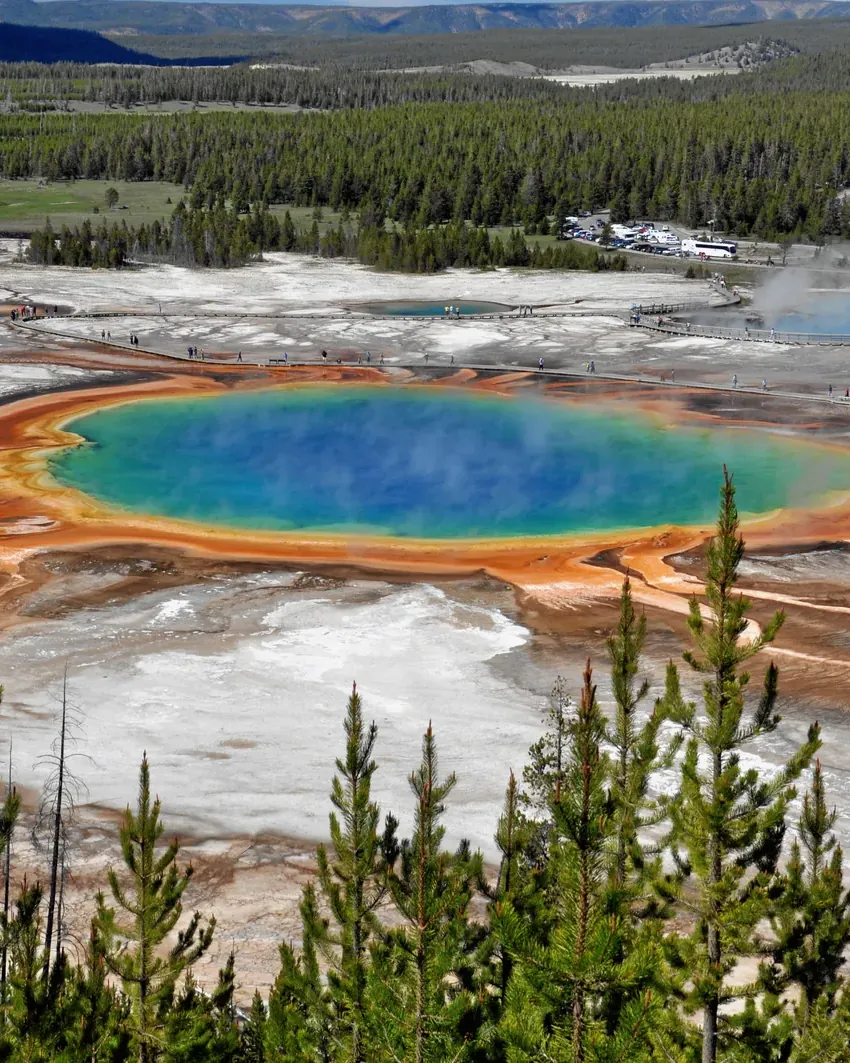
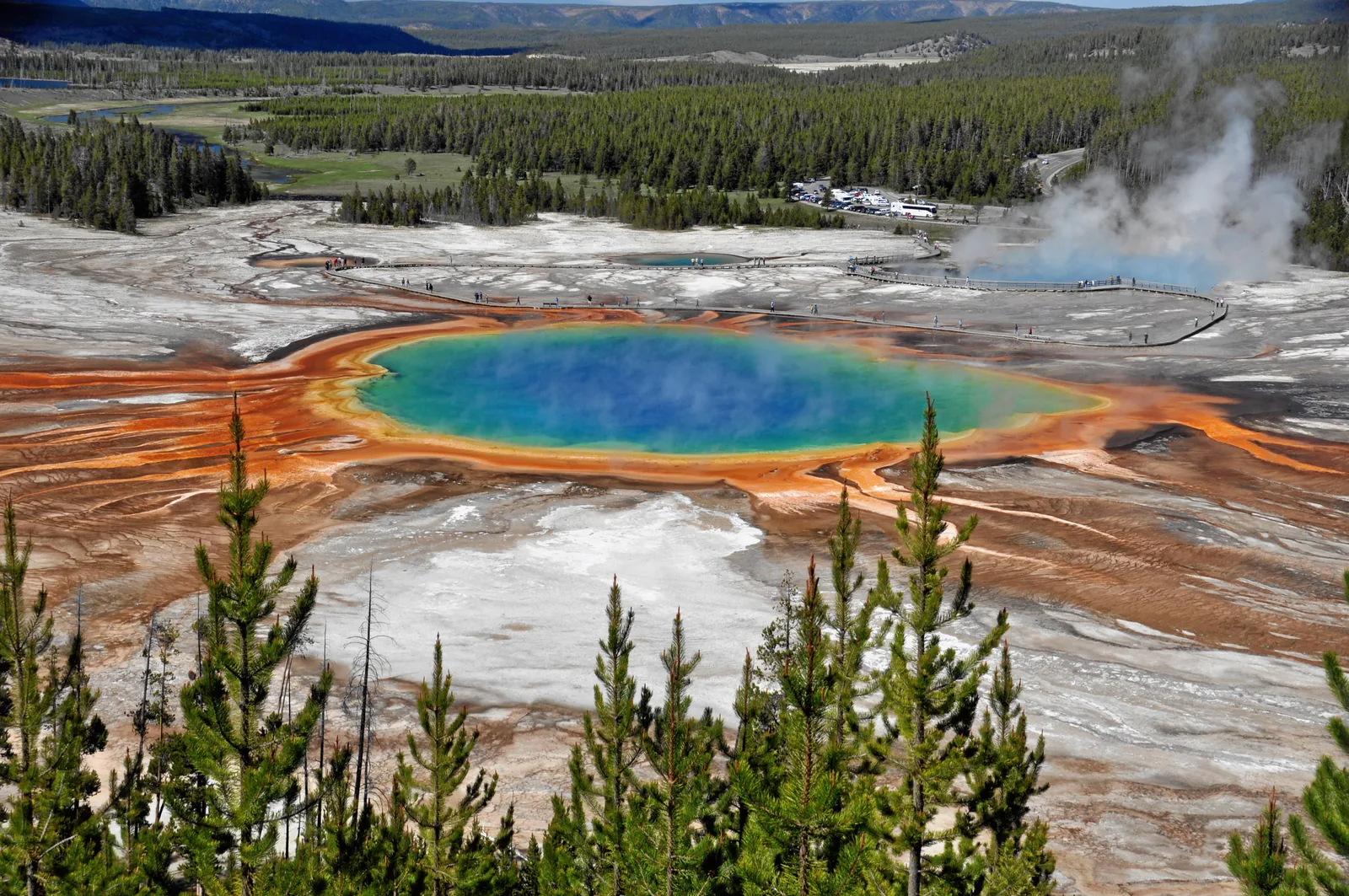
Yellowstone sits on a magma chamber, with more than half of the world's geysers. Grand Teton borders it to the south, so both fit one trip, and one $250 pass covers both. Glacier in Montana borders Waterton Lakes in Canada; from St. Mary it is 50 miles (80 km) to the border park, and a passport is required.

Canyons of the Southwest: Grand Canyon, Zion and Arches

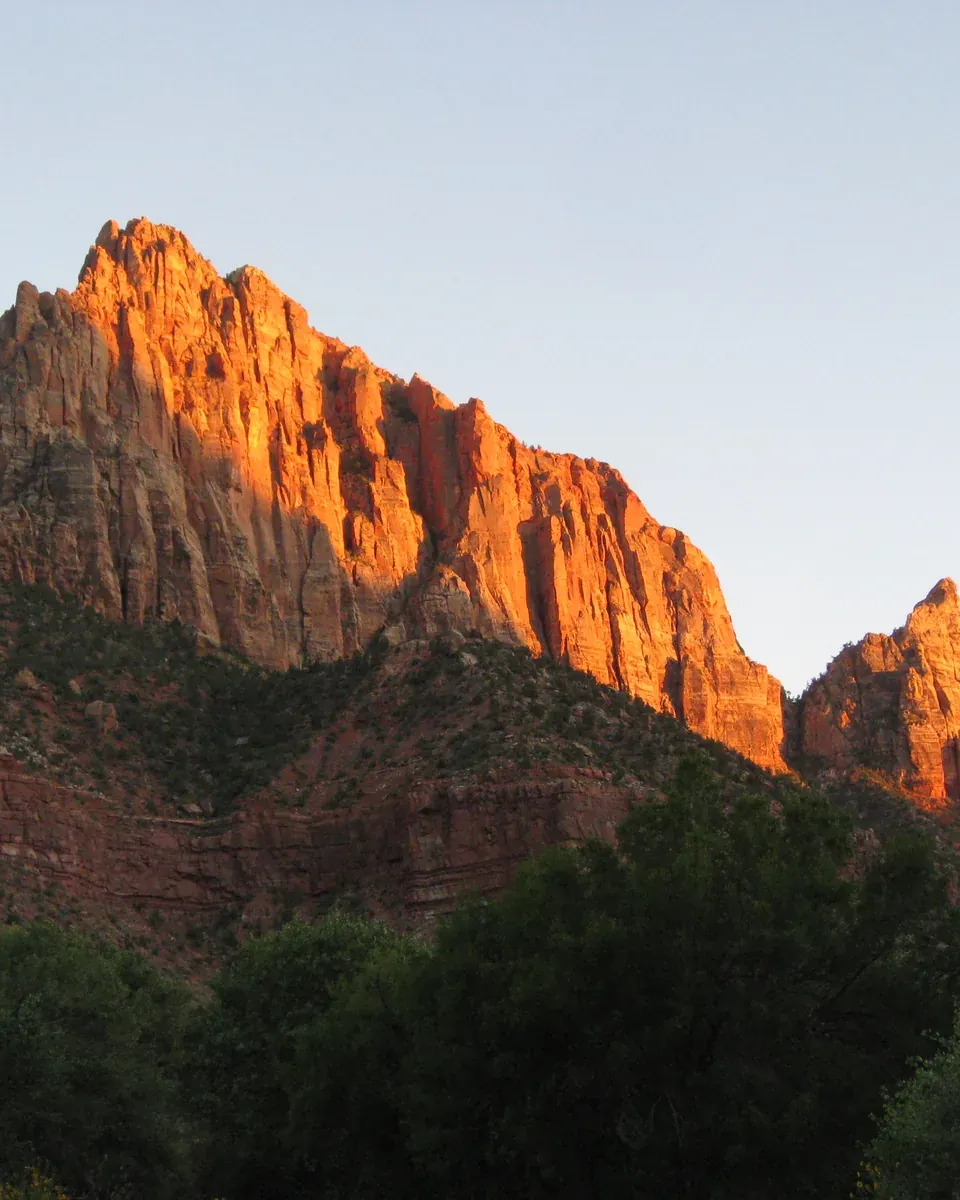
Grand Canyon and Zion both charge the surcharge; Arches in Utah does not. Zion is a single canyon up to 600 m (2,000 ft) deep that you explore by free shuttle for most of the year. Arches has more than 2,000 documented arches along one 18-mile (29 km) road.

California: Yosemite, Sequoia, Death Valley, Joshua Tree and Redwood

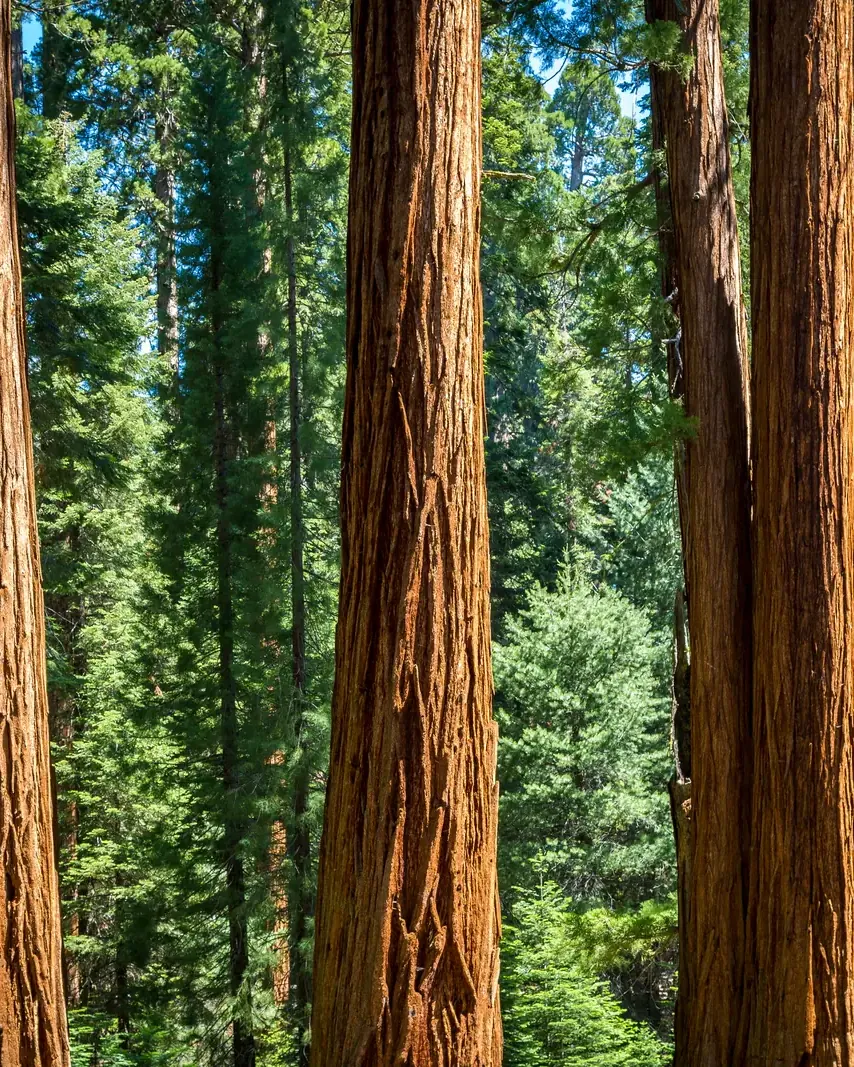
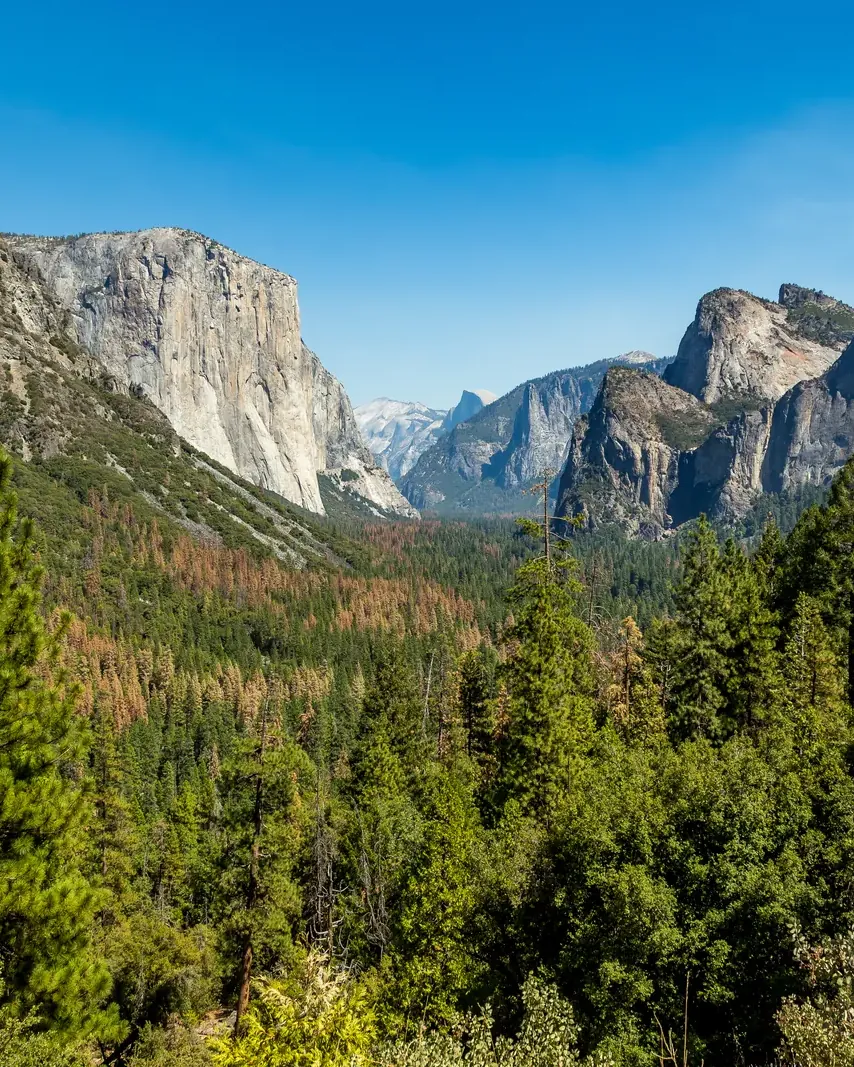
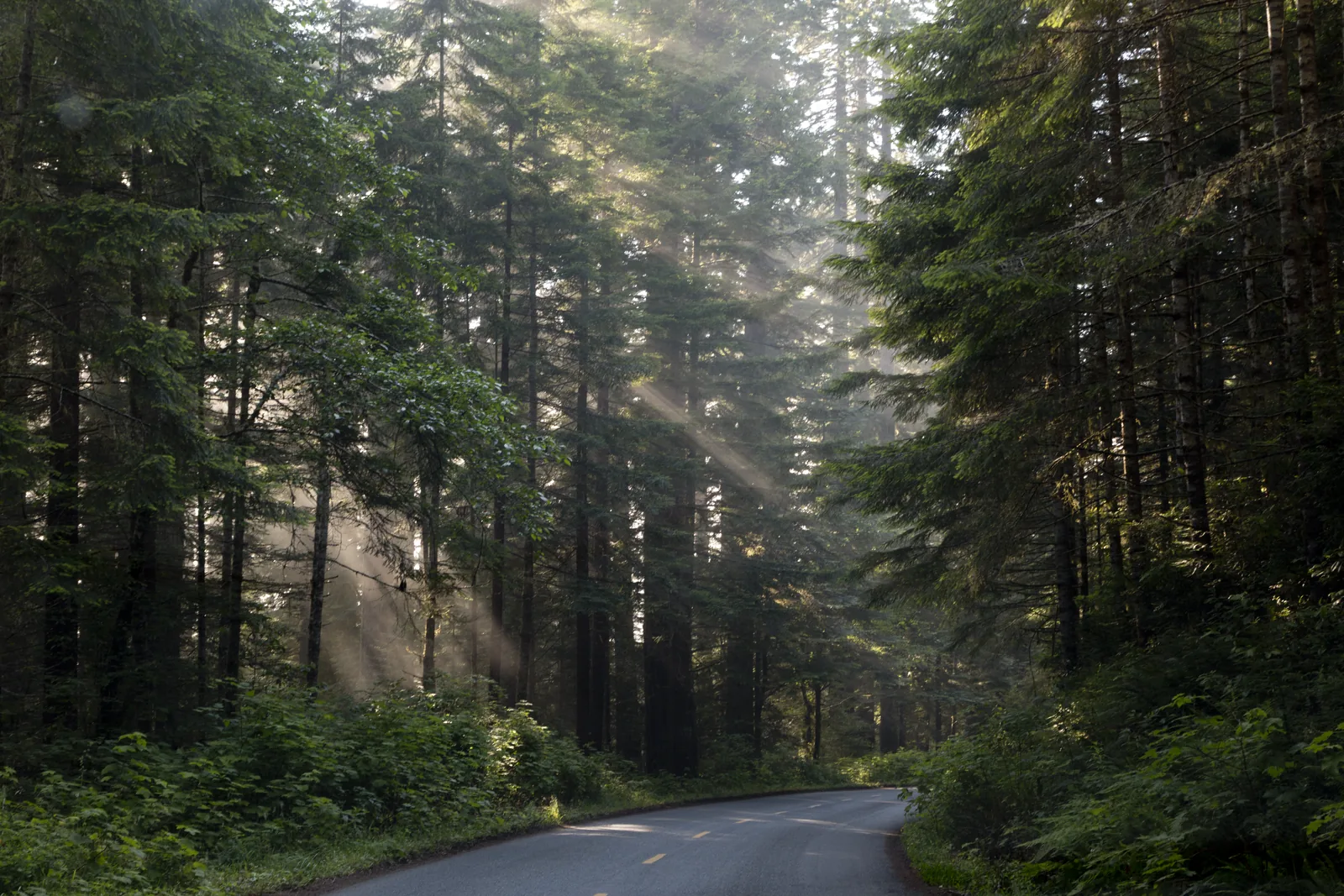
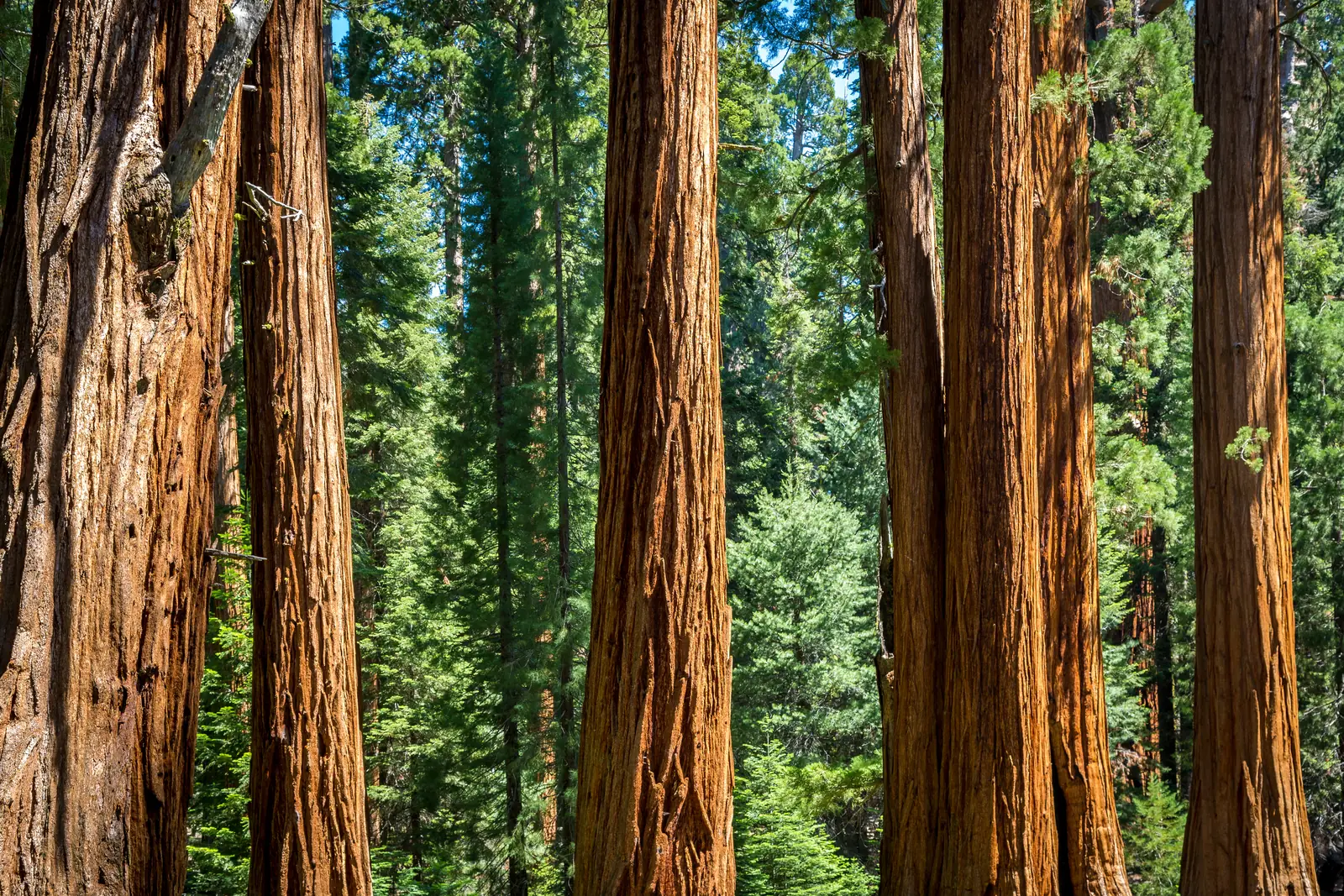
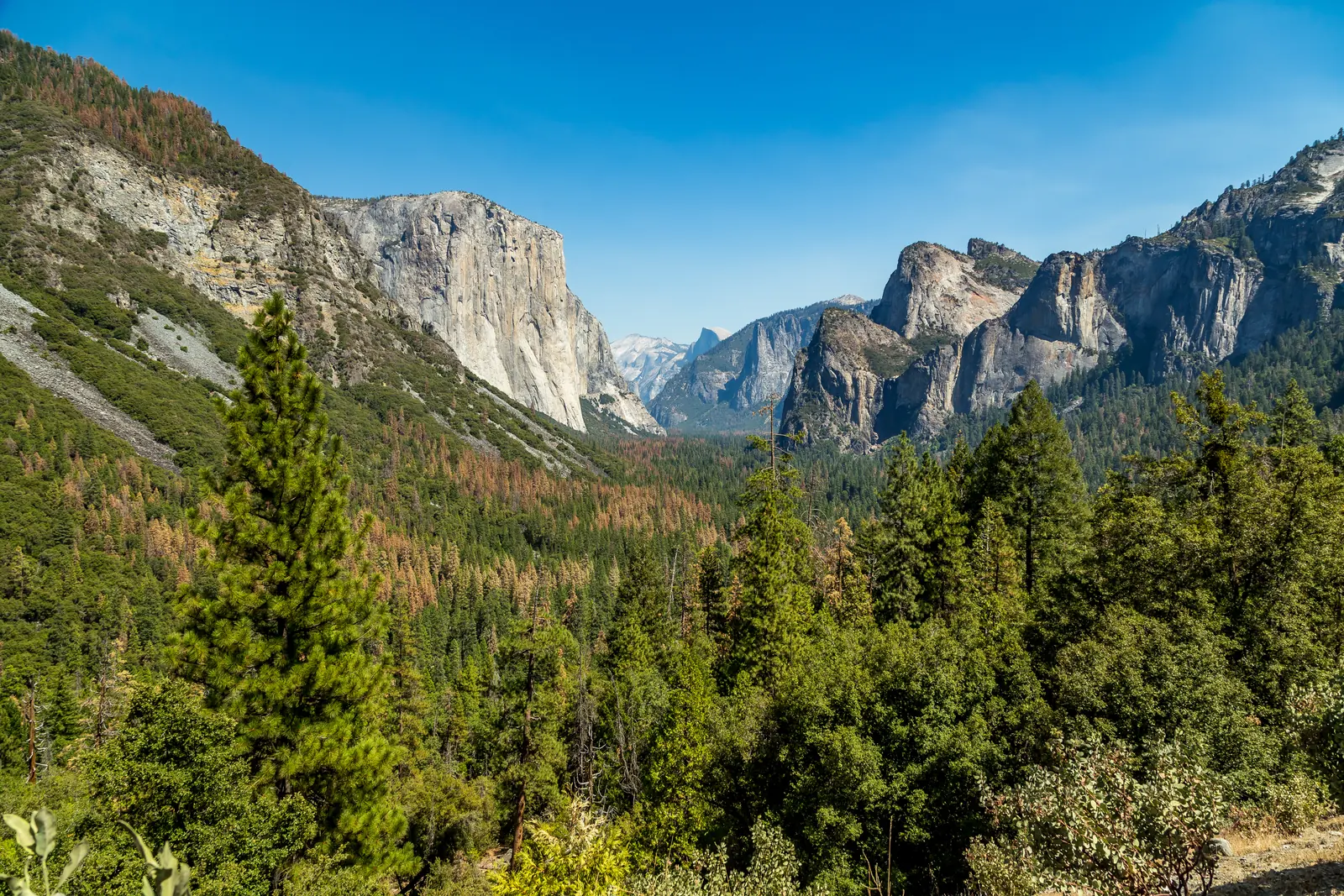
Yosemite and Sequoia & Kings Canyon are Sierra Nevada parks with the surcharge, granite valleys and the General Sherman Tree, the largest tree on Earth by volume. Death Valley and Joshua Tree are desert parks for the cooler months and charge no surcharge. Redwood on the north coast has the tallest trees on Earth and no entrance fee.

Pacific Northwest and New England: Olympic and Acadia

Olympic combines glaciers, rain forest and the Pacific coast; plan more than one day, with two bases. Acadia in Maine is the only national park in New England, with the Park Loop Road and 45 miles (72 km) of carriage roads.

06 · Editorial

Sources and last checked

Every fee, date and rule on this page comes from the park guides below, each linked to the official source.

Photo: National Park Service (NPS / Emily Hassell) ↗ · Public domain ↗

Fees, opening times and reservation rules change. Check the official page before you travel.