

Bruce Peninsula National Park: landscape and origins
Bruce Peninsula protects the edge of the Niagara Escarpment where it drops into Georgian Bay, and it is also the only park in the atlas you cannot get into without a parking spot reserved in advance.
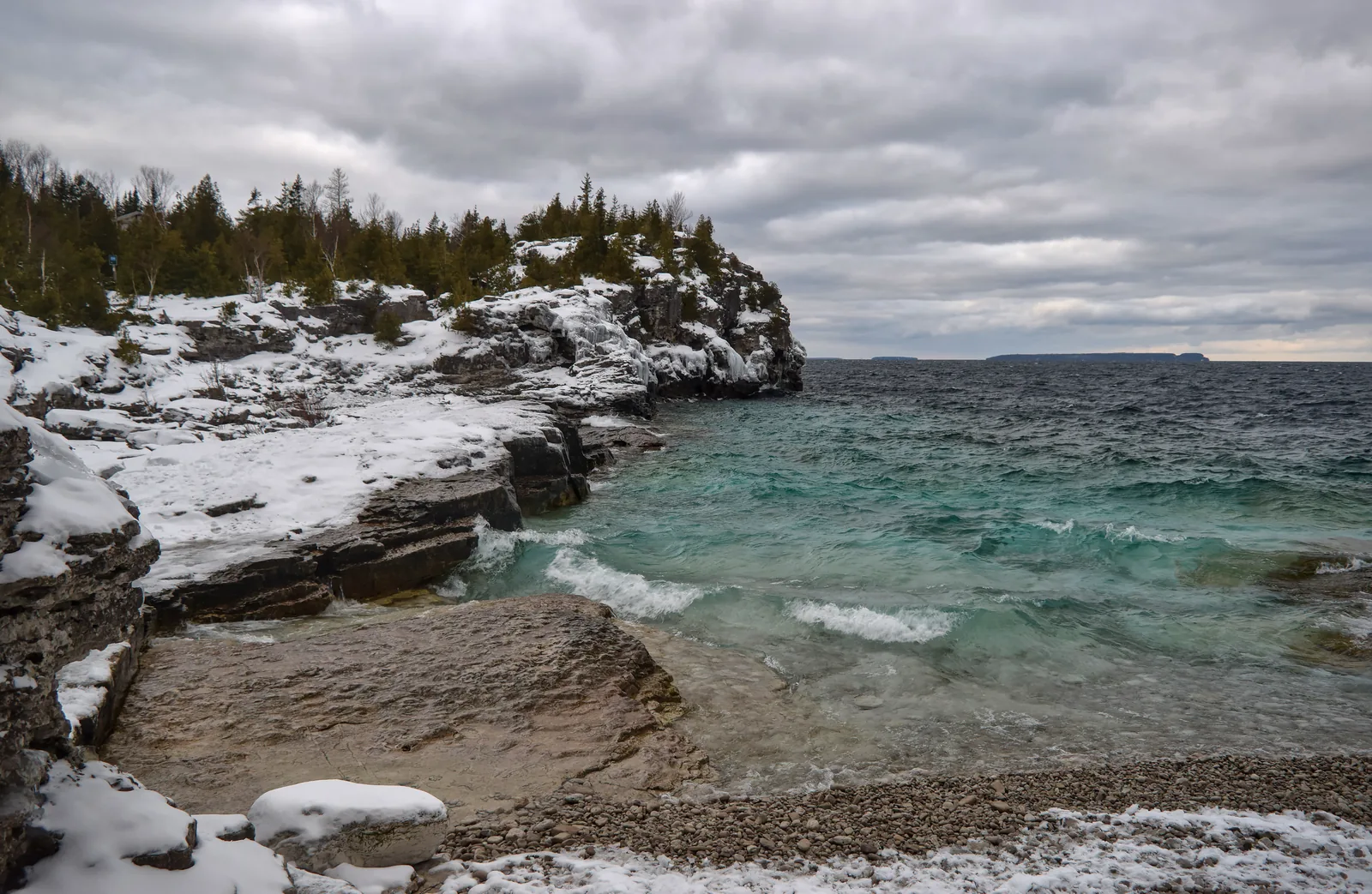
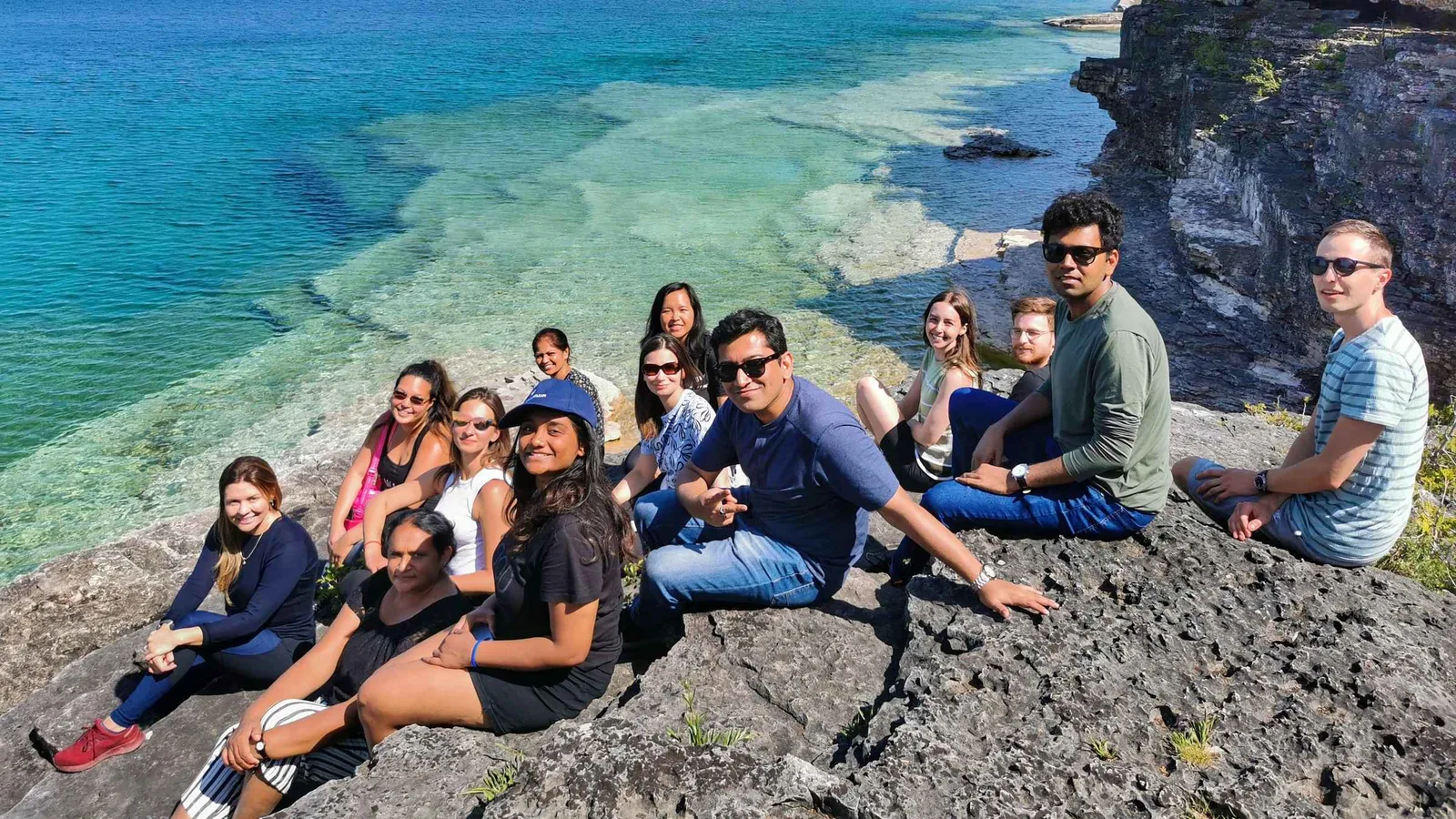
The park was established in 1987 and is the core area of the Niagara Escarpment UNESCO Biosphere Reserve. The escarpment runs as an ancient, tree-covered limestone ridge from Niagara Falls across southern Ontario to here, separating Georgian Bay from Lake Huron.
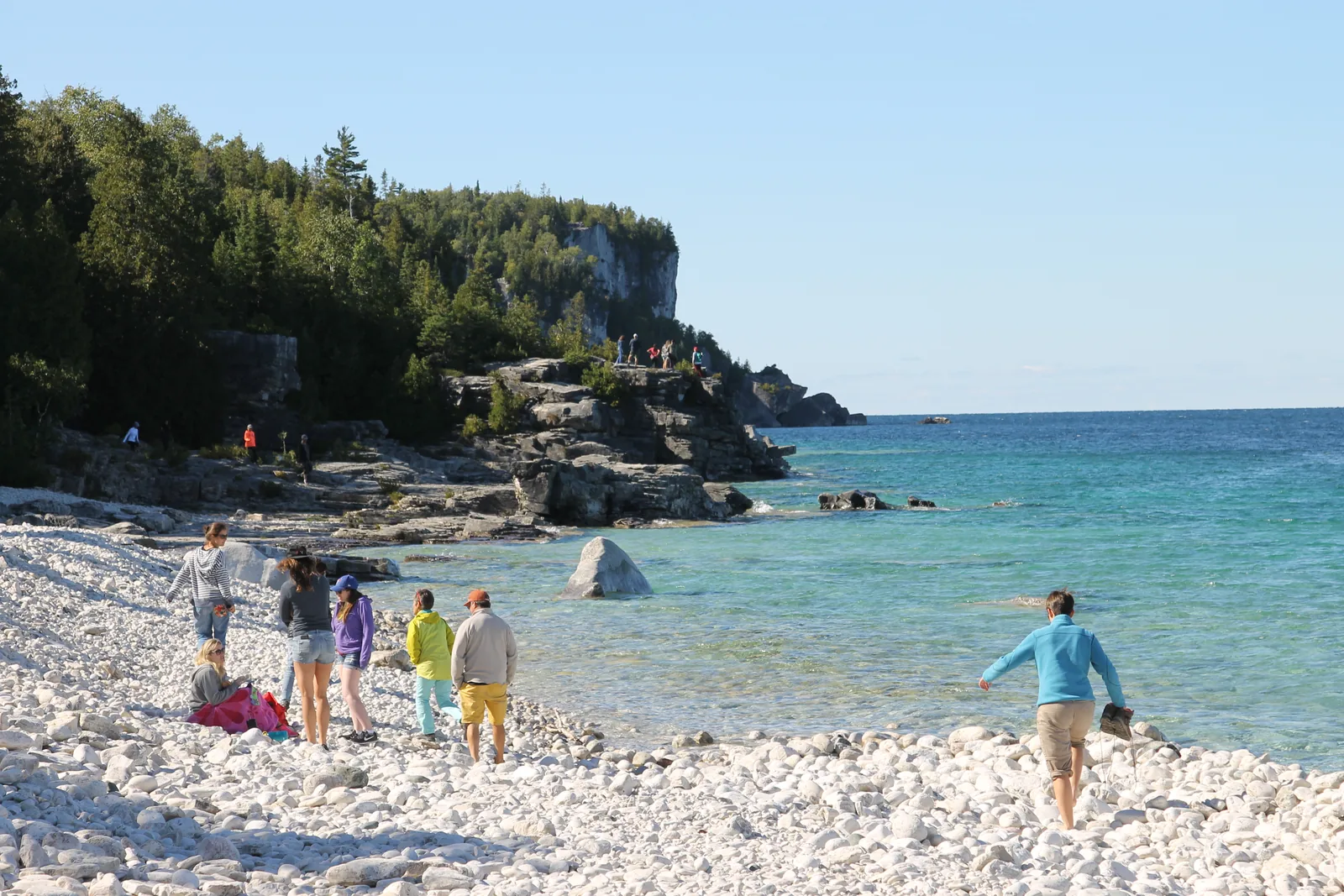
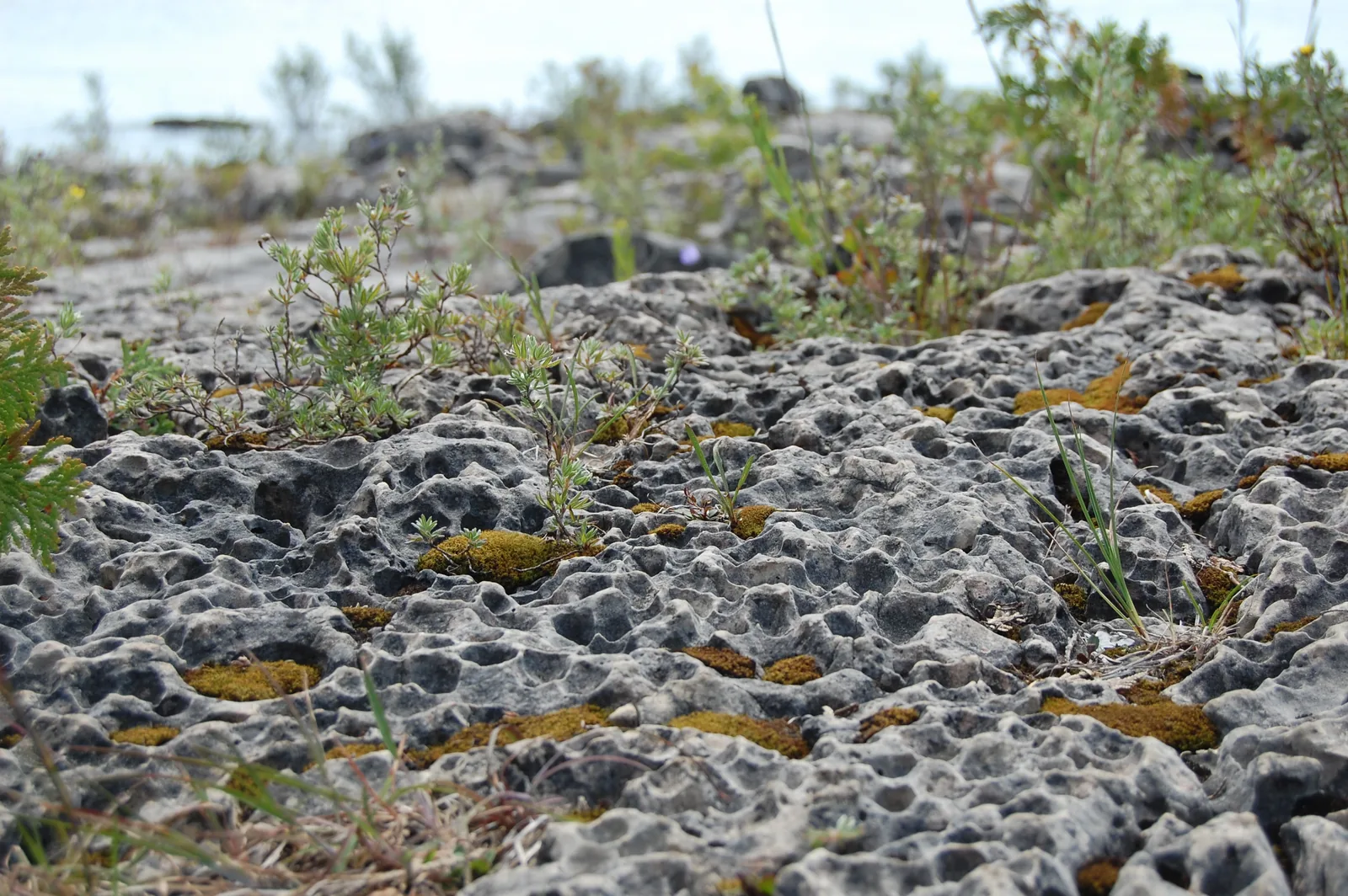
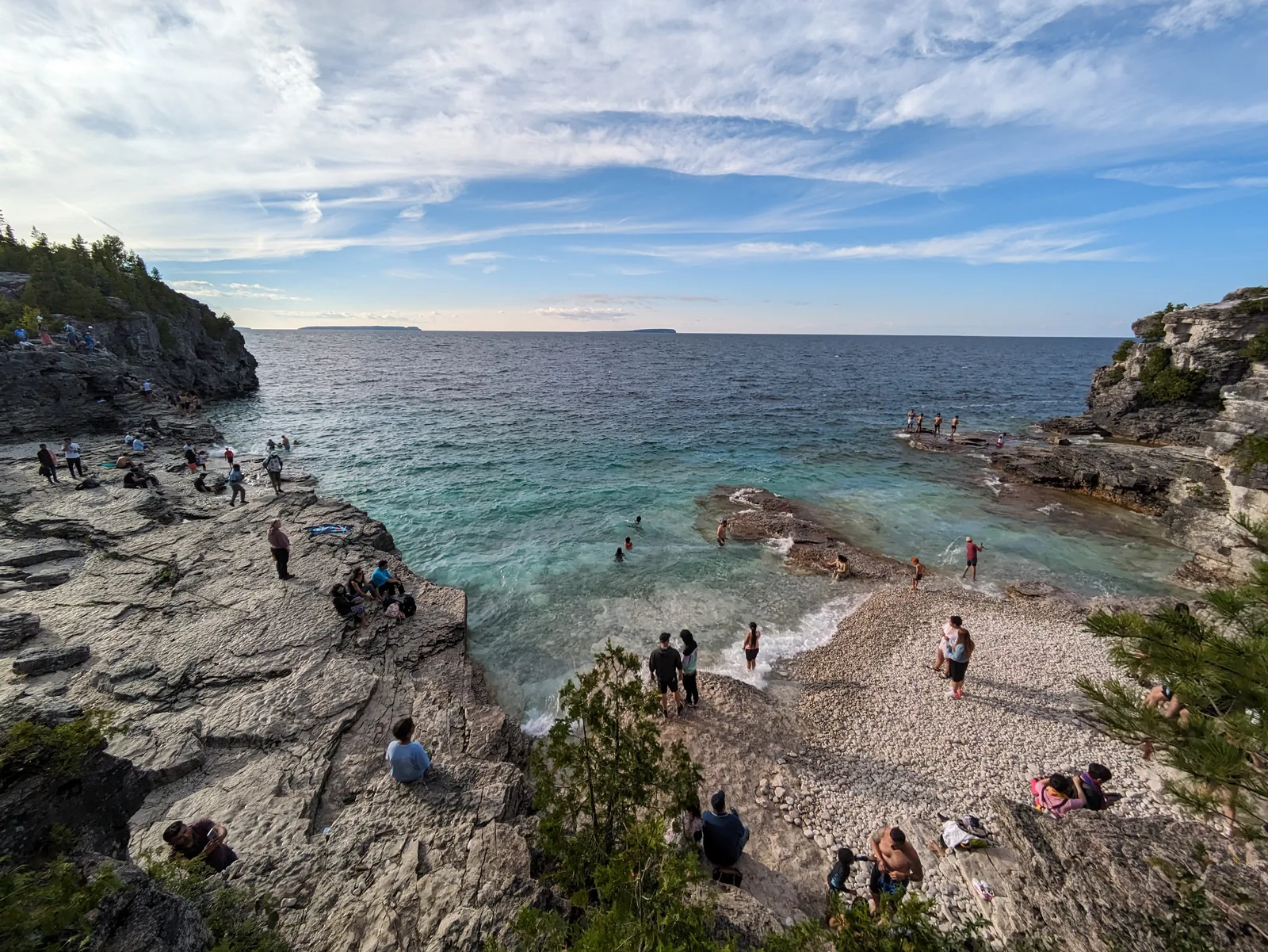
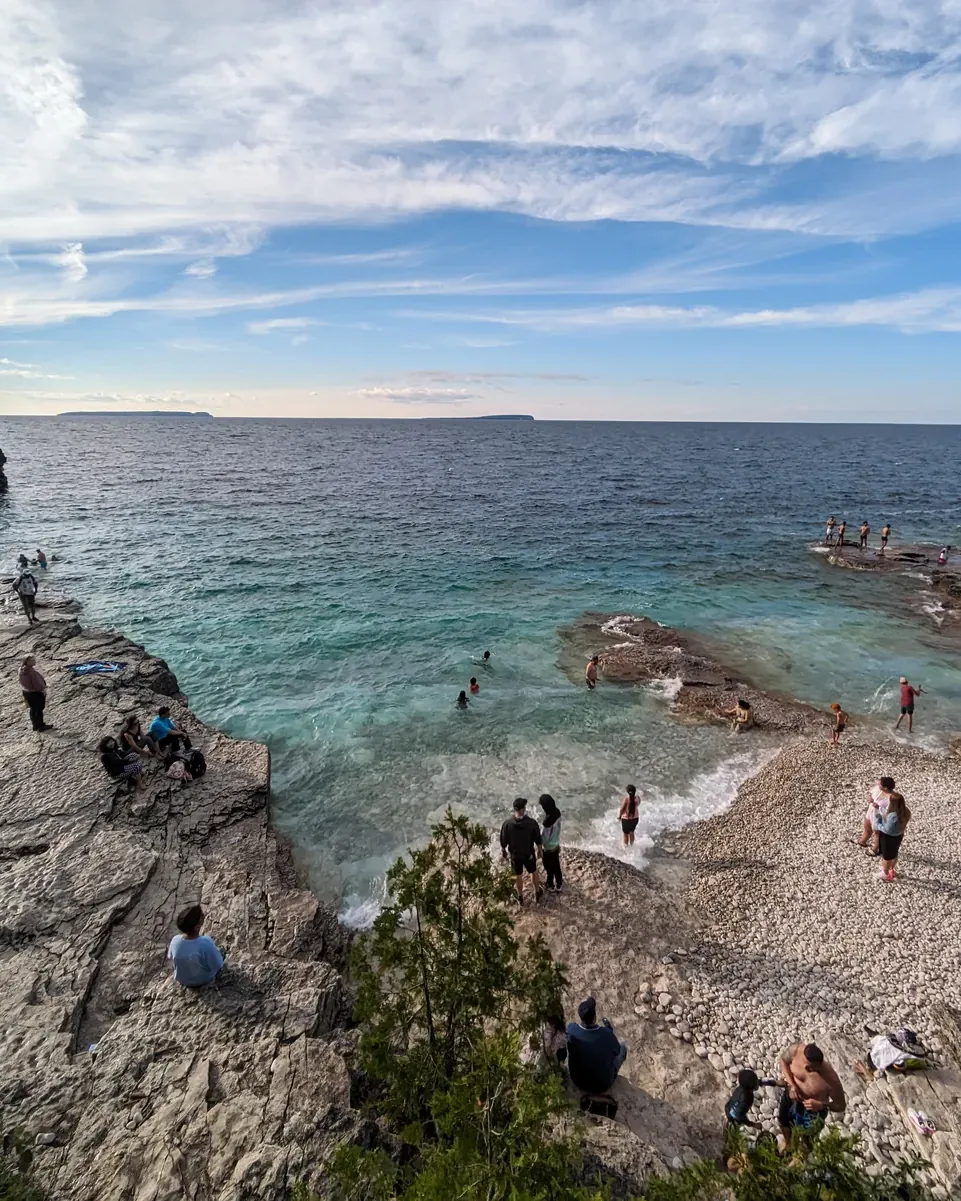
The dolomite bedrock shapes everything: the white terraces by the water, caves like the Grotto, the globally rare alvar with its thin soil, and the twisted old cedars clinging to the cliffs.
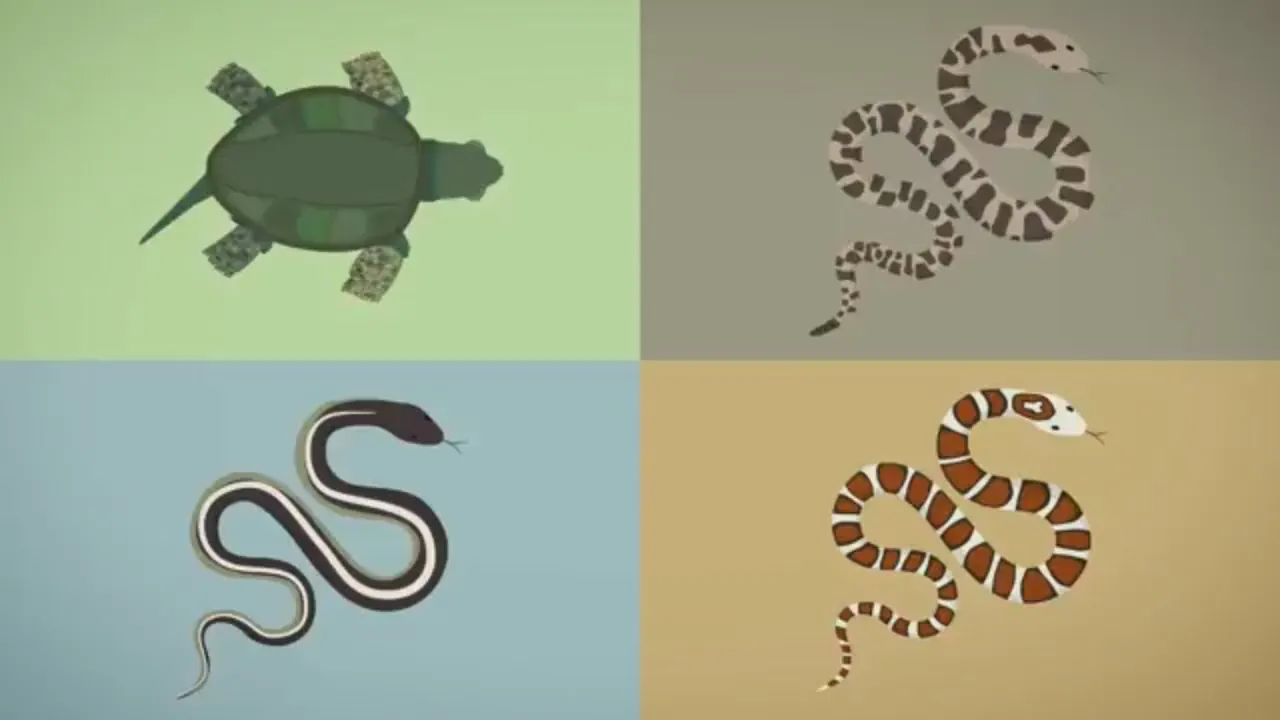
This small area holds the last continuous forest in densely populated southern Ontario. It is habitat for the black bear, red-shouldered hawk and northern flying squirrel; the massasauga rattlesnake, Ontario’s only venomous snake, lives here too.
Its best-known superlative is botanical: 34 orchid species grow in the park, two thirds of all Ontario’s orchid species.
The park lies in the traditional territory of the Saugeen Ojibway Nation, which the park authority calls the traditional stewards of the Saugeen (Bruce) Peninsula.
The park in numbers
- Established
- 1987
- Location
- Bruce Peninsula, Ontario, between Georgian Bay and Lake Huron
- Biosphere reserve
- Core area of the Niagara Escarpment UNESCO reserve
- Bedrock
- Dolomite, the limestone of the Niagara Escarpment
- Special feature
- last unbroken forest in southern Ontario
- Orchids
- 34 species, two thirds of all Ontario’s species
- Alvar
- globally rare rock flats with thin soil
- Traditional territory
- Saugeen Ojibway Nation
- Access
- Parking reservation for the Grotto, Halfway Log Dump and Little Cove