
Northern Velebit National Park: landscape and geology
What makes the park special, based on information from the park authority.
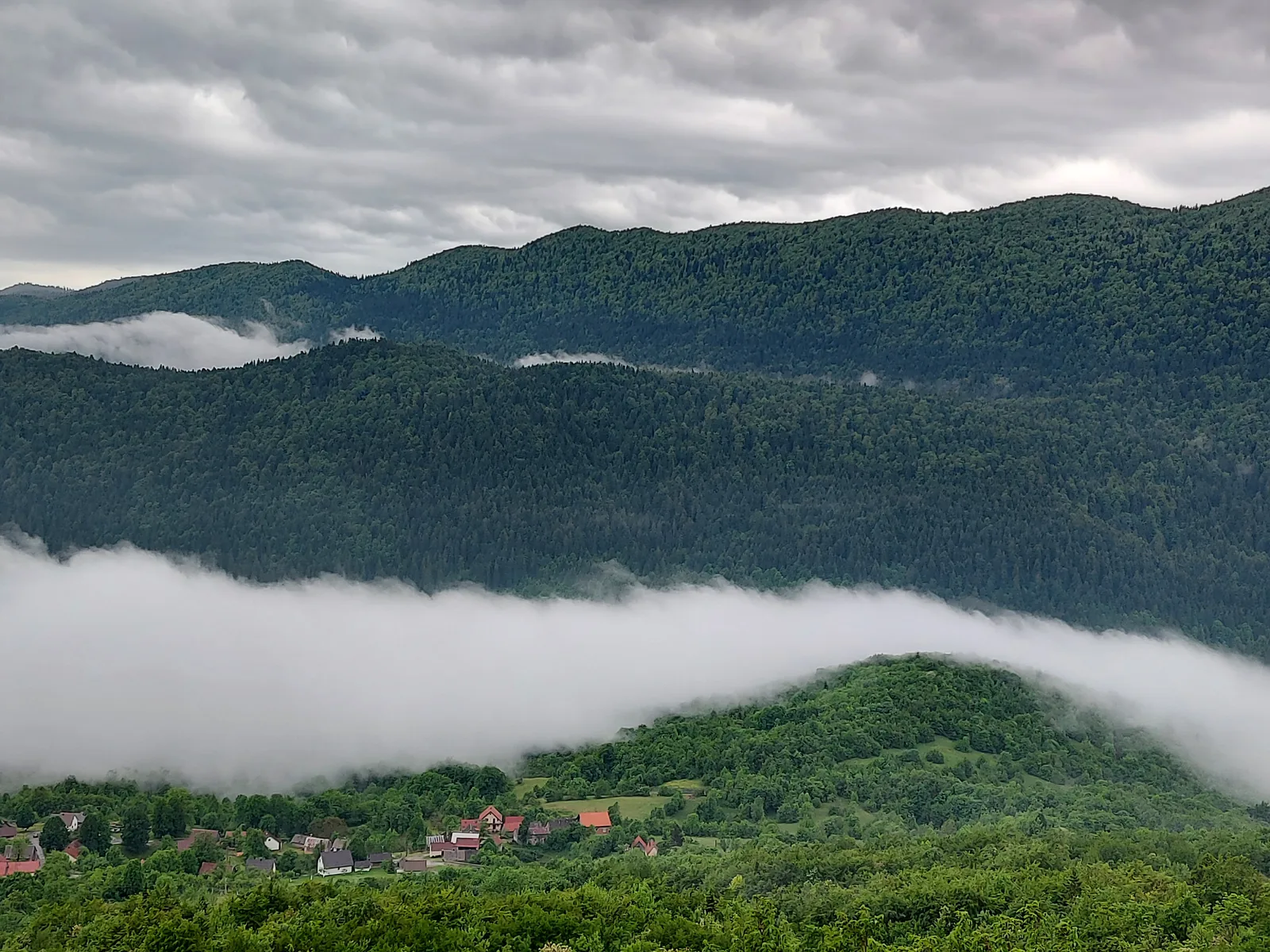
Northern Velebit is the youngest of Croatia's eight national parks, designated in 1999, and in the park authority's words a patchwork of very different habitats.
The Velebit range joined the UNESCO World Network of Biosphere Reserves in 1978, and three years later the whole area was declared a nature park. Within this nature park lie two national parks: Paklenica in the south, designated in 1949, and Northern Velebit in the north, half a century later. The decisive reasons were the variety of karst forms, the wildlife and a landscape also shaped by people over centuries.
The park brings together several previously protected areas: the strict reserve Hajdučki i Rožanski kukovi, the botanical reserve Visibaba with the endemic Croatian sibiraea, and the botanical reserve Zavižan-Balinovac-Velika kosa, which contains the Velebit Botanical Garden.
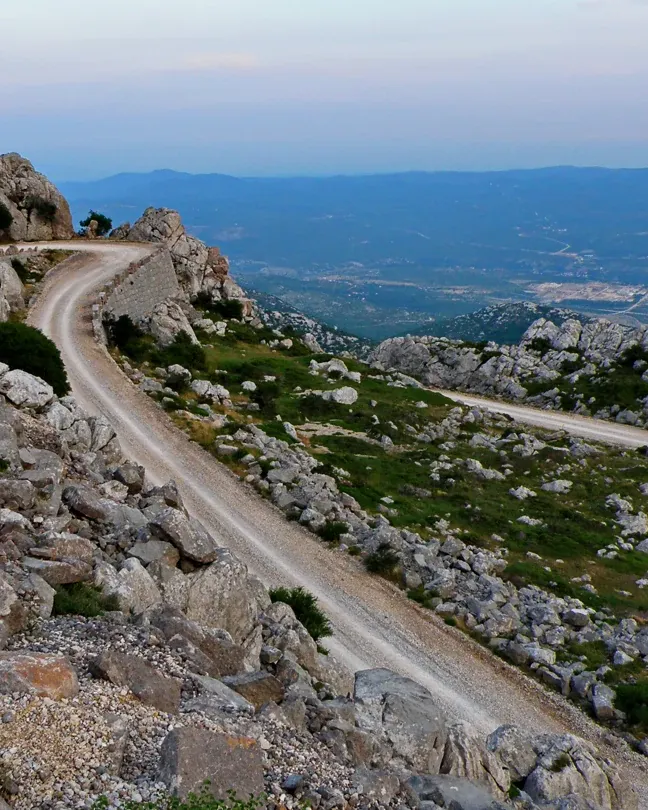
The geological story begins 310 million years ago under the sea, with sandstones and shales in Carboniferous swamps and, later, carbonate mud from shallow seas that turned to rock. Plate tectonics carried the Velebit about 6,000 kilometres from where it formed, at 10 degrees south, to where it is today; about 40 million years ago the folding began that lifted it to more than 1,700 metres (5,577 ft). It is still growing.
The Velebit Botanical Garden was created in 1967 on the initiative of the pharmacy professor Fran Kušan, at 1,480 metres (4,856 ft) and a quarter of an hour's walk from the Zavižan mountain hut. At its centre lies the Balinovačka Ponikva sinkhole, circled by a 600-metre stone path. Today about 300 plant species grow there, including Degenia velebitica, the Croatian sibiraea, edelweiss and the Velebit carnation.
The park in numbers
- Founded
- 1999, the youngest of Croatia's eight national parks
- Biosphere reserve
- Velebit, UNESCO MaB, since 1978
- Velebit Nature Park
- three years after becoming a biosphere reserve
- Strict reserve
- Hajdučki i Rožanski kukovi
- Height
- more than 1,700 m (5,577 ft)
- Oldest rocks
- Carboniferous, 310 million years ago
- Folding began
- about 40 million years ago
- Tectonic journey
- about 6,000 km (3,700 mi) from 10 degrees south
- Botanical garden
- since 1967, at 1,480 m (4,856 ft), about 300 plant species
- Premužić Trail
- built from 1930