

Riding Mountain National Park: landscape and origins
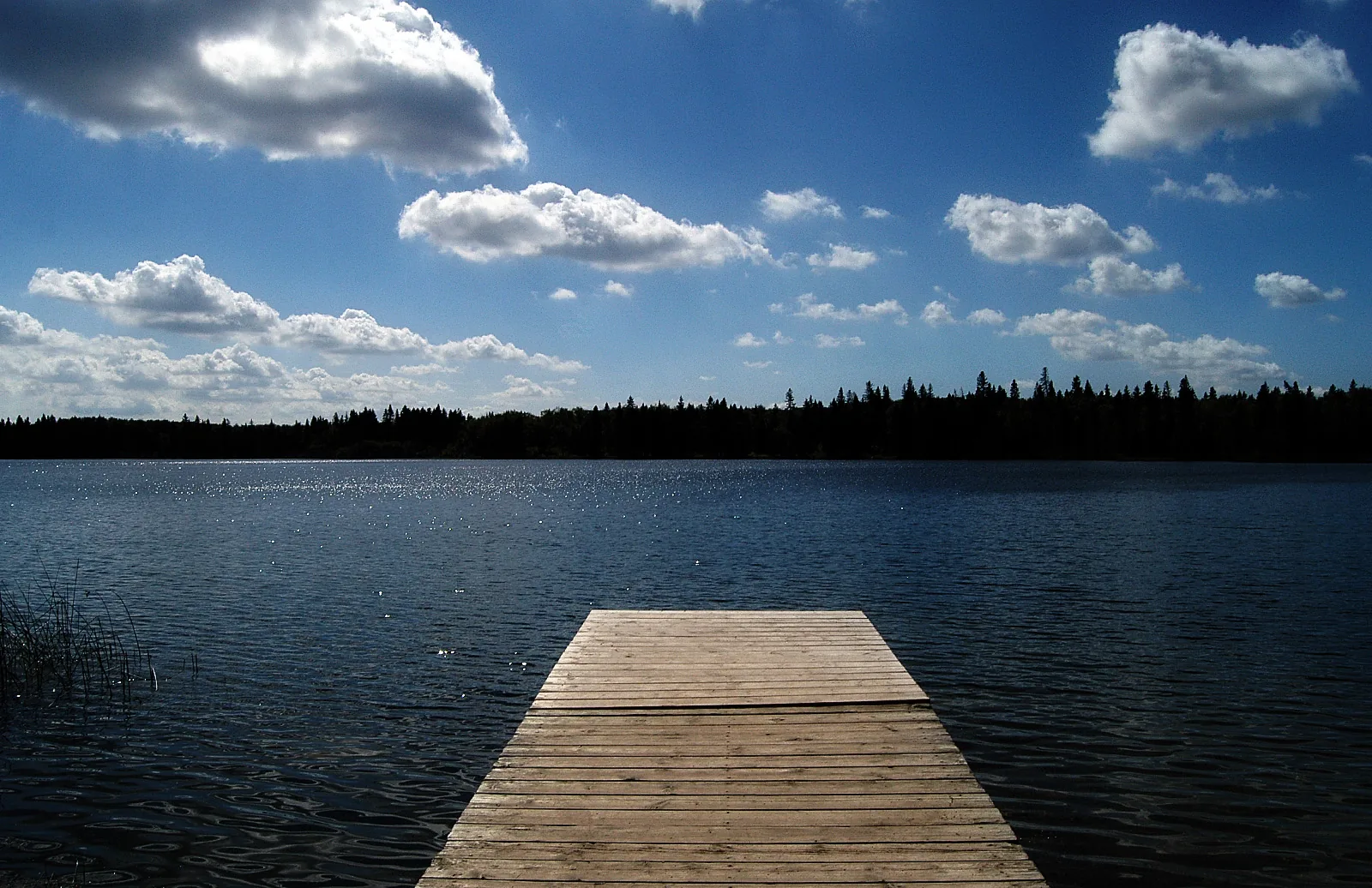
Riding Mountain is a forested upland in the middle of Manitoba’s farmland: according to the park authority, more than 3,000 square kilometres (1,158 sq mi) where three different ecozones meet.
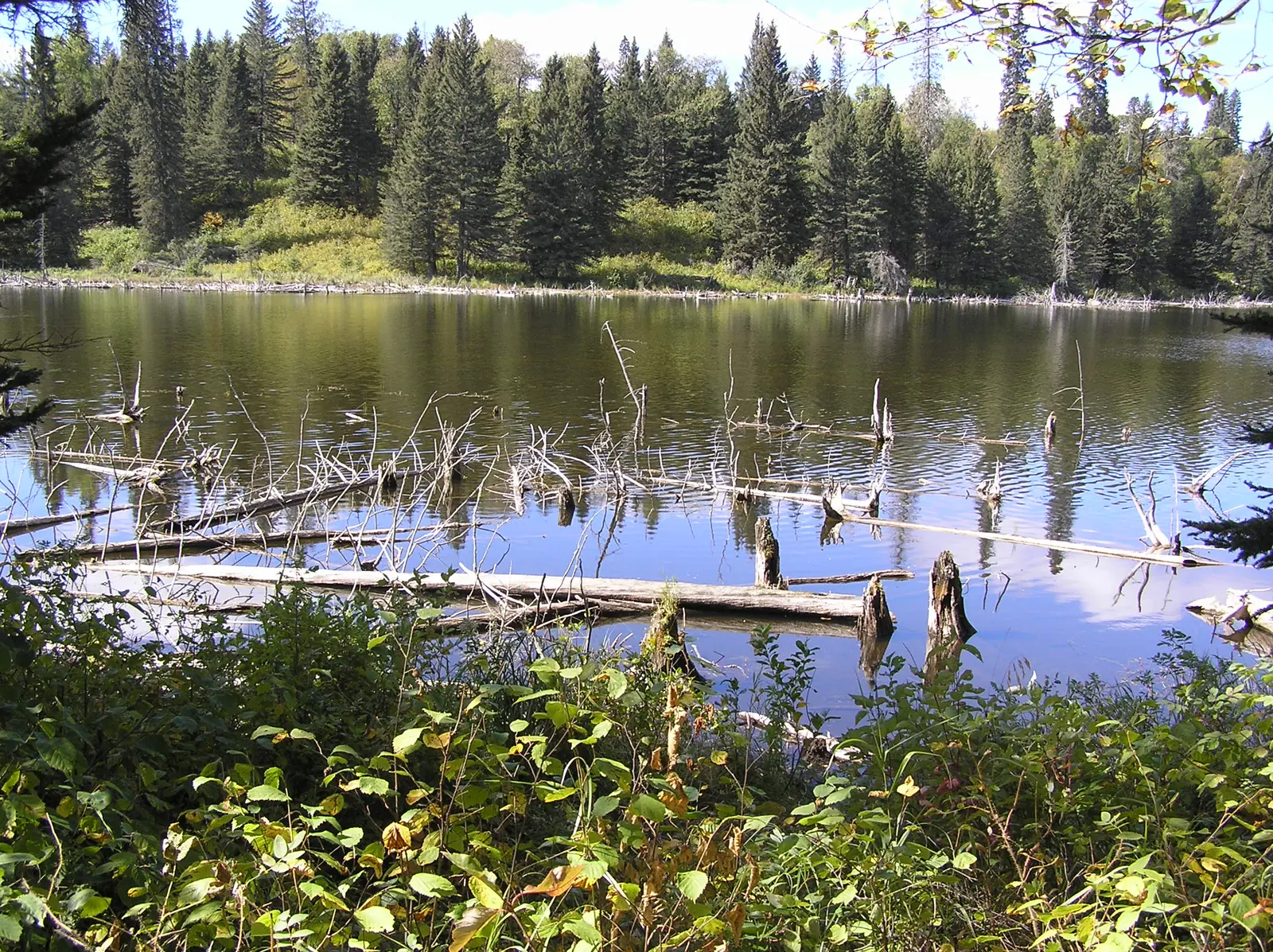
Aspen parkland, boreal forest and eastern deciduous forest come together here, plus wide rough fescue grasslands in the west and extensive marshes and floodplains. The park authority calls it a unique area where eastern and western as well as northern and southern ecosystems meet.
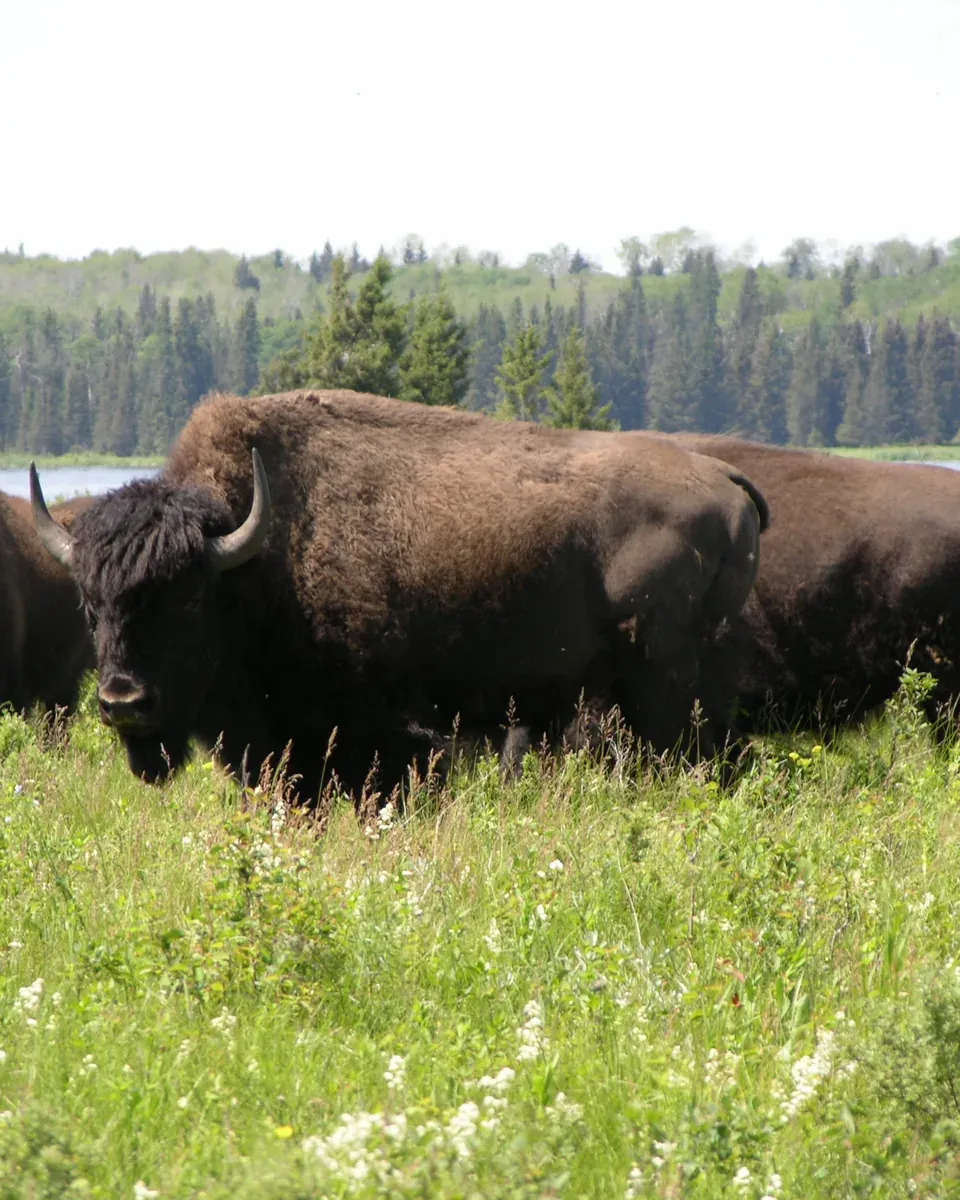
The park is home to wolves, moose, elk and black bears and to hundreds of bird species. At Lake Audy a herd of about 40 plains bison also lives in a 500-hectare enclosure, descendants of ten animals that came from Elk Island National Park in the 1940s.
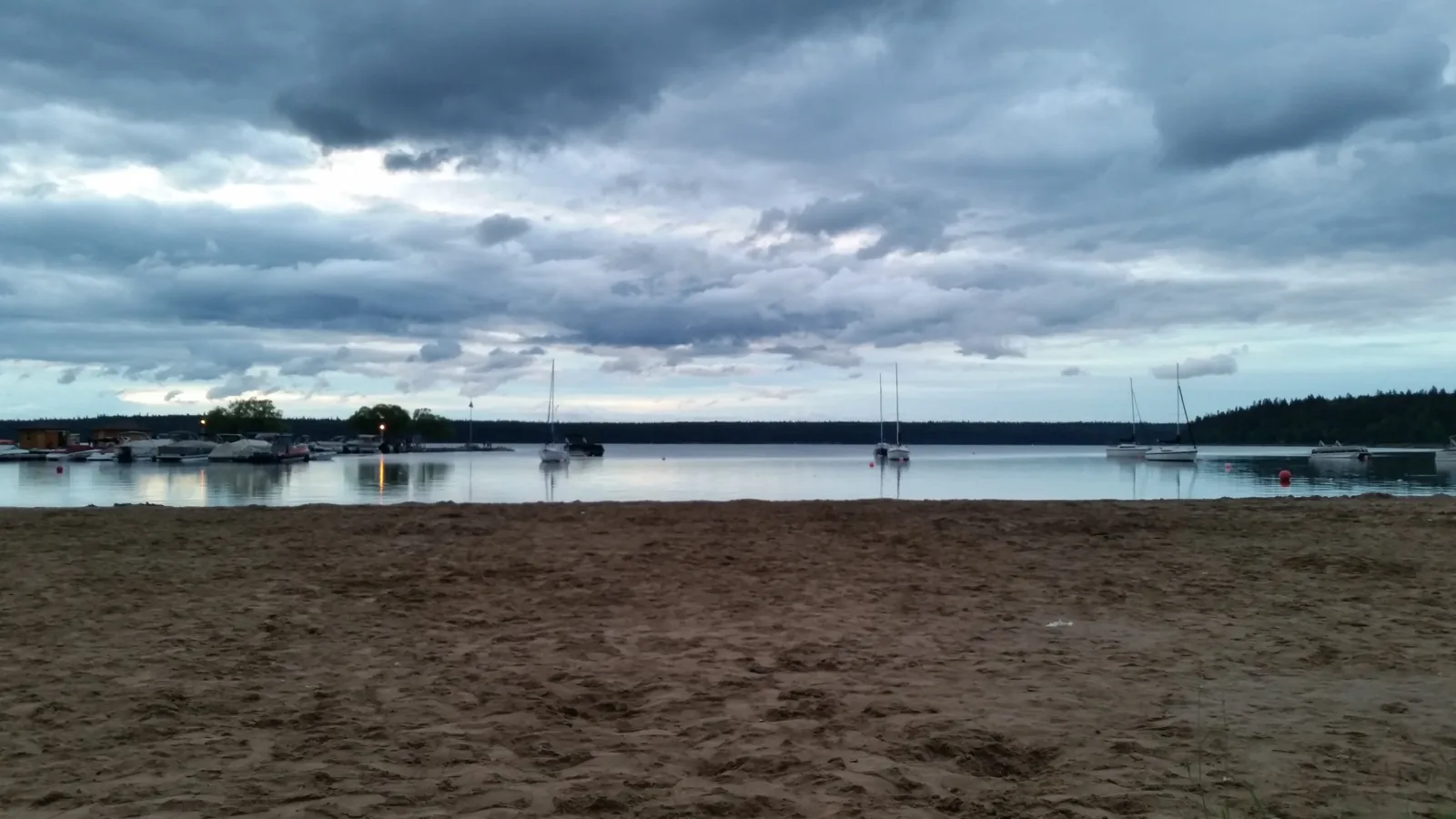
Clear Lake by Wasagaming is low in nutrients and therefore exceptionally clear. It is home to 14 fish species and was historically a source of clean drinking water.
The park lies within Treaty 2 territory and the ancestral lands of the Anishinabe. The park authority works with the Coalition of First Nations with Interests in the park and with communities from Treaties 2, 4 and 1.
When the park was established in 1930, the Anishinabe were displaced. The park authority writes that their connection to the land was interrupted but not destroyed.
Nature: three forest types and their wildlife ↗
The park in numbers
- Established
- 1930
- Area
- over 3,000 km² (1,158 sq mi) (figure from the park authority’s film)
- Location
- Manitoba, 3.5 hours west of Winnipeg
- Ecozones
- aspen parkland, boreal forest and eastern deciduous forest
- Bison herd
- about 40 animals on 500 hectares at Lake Audy
- Trails
- over 400 km (249 mi) in six trail networks
- Clear Lake
- nutrient-poor and clear, 14 fish species
- Traditional territory
- Anishinabe; Treaty 2, cooperation with Treaties 2, 4 and 1
- Red chairs
- eight sets, set up in July 2015