

Federal states
Photo: Michael Schmid ↗ · CC BY-SA 2.0 AT ↗Hohe Tauern National Park
The largest national park in the Alps charges no entrance fee, but the road to the Grossglockner and the trail at the Krimml Waterfalls do.

National Parks Atlas · Country · checked 21 Sep 2026
Six national parks, from the steppe lake on the Hungarian border to the glaciers of the Grossglockner. None of them charges an entrance fee; what you pay for are alpine roads, car parks, exhibitions and ranger tours.
Hohe Tauern in full; all 6 parks compared below
park authorities, operators and transport providers
in all 6 national parks
Hohe Tauern, the largest national park in the Alps
Last checked: 21 Sep 2026
Austria has six national parks: the Hohe Tauern with the Grossglockner and the Krimml Waterfalls, the Gesäuse on the Enns, the forest wilderness of the Kalkalpen, the Donau-Auen floodplain outside Vienna, the steppe lake Neusiedler See – Seewinkel and the Thayatal on the Czech border. None of them charges admission.
This page compares all six. Hohe Tauern National Park has a full English guide, with separate pages for the Grossglockner High Alpine Road and the Krimml Waterfalls.
01 · Park guides
The largest national park in the Alps, between the Grossglockner and the Grossvenediger, with the Grossglockner High Alpine Road and the Krimml Waterfalls.
02 · All 6 parks
State, founding year, size and what a visit costs, from the park profiles of this atlas.
| National park | State | Founded | Area | Entry |
|---|---|---|---|---|
| Hohe Tauern | Salzburg, Tyrol, Carinthia | 1981 Carinthia, 1984 Salzburg, 1992 Tyrol | 1,856 km² | Free; the Grossglockner High Alpine Road costs €46.50 per car and day, the Krimml Waterfalls €9 |
| Gesäuse | Styria | 2002 | about 12,000 ha | Free; most car parks charge €7 a day |
| Kalkalpen | Upper Austria | 1997 | 209 km² | No entrance fee; exhibitions, bivouac sites, ranger tours and some car parks cost extra |
| Donau-Auen | Vienna, Lower Austria | 1996 | over 9,600 ha | Free; the national park centre at Schloss Orth charges €15 |
| Neusiedler See – Seewinkel | Burgenland | 1993 | 10,000 ha | Free; ranger tours mostly €20.50 |
| Thayatal | Lower Austria | 2000 | 1,360 ha | Free trails; the wildcat feeding at the national park house costs €4.50 |
Prices are for adults. The Hohe Tauern are by far the largest park, spread across three federal states; the smallest is the Thayatal, which protects a further area on the Czech side together with Podyjí National Park.
03 · Costs
Entry is free. The bill comes from roads, car parks and the attractions run by park authorities or operators.
None of the six national parks charges admission, and the Hohe Tauern are open around the clock all year, depending on weather and snow.
Guests of partner hosts in the Salzburg national park region get the SommerCard, which includes a day ticket for the Grossglockner High Alpine Road and one attraction a day.
04 · Choosing
High mountains, river floodplain or steppe: start with the landscape.
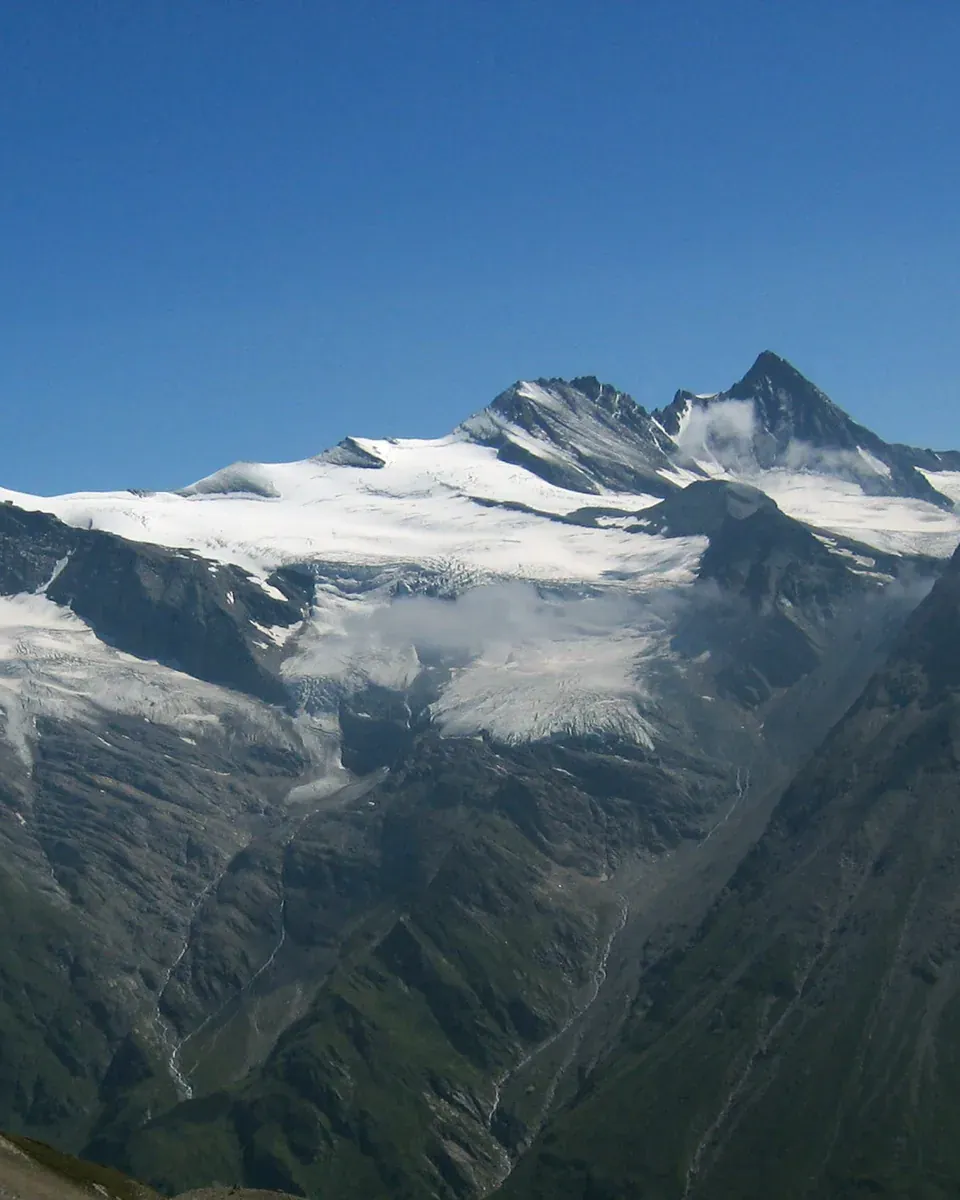
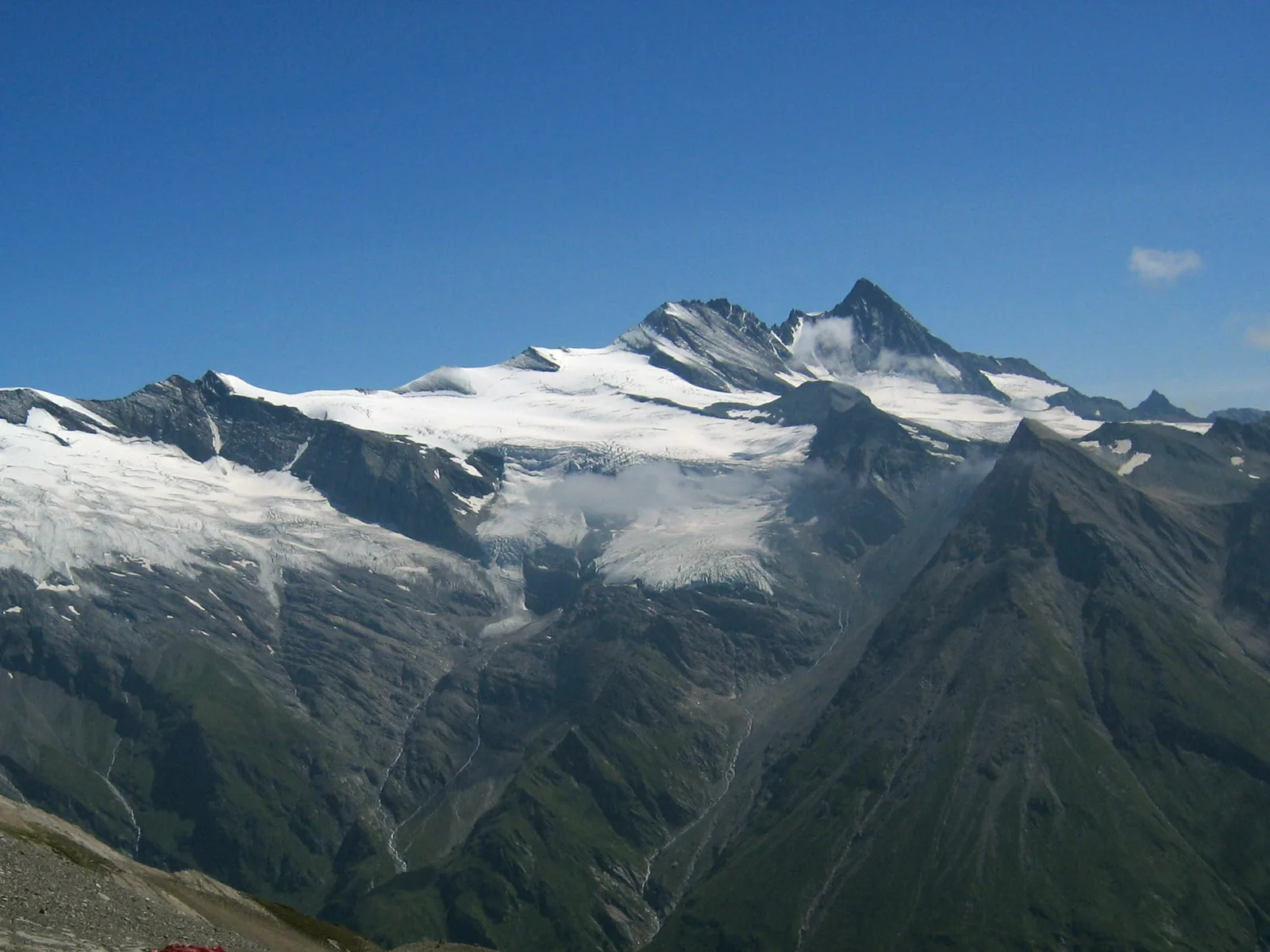
Hohe Tauern is the largest national park in the Alps, with 332 glaciers and the Grossglockner at 3,798 m (12,461 ft), Austria's highest mountain. The Grossglockner High Alpine Road takes you to the Kaiser-Franz-Josefs-Höhe above the Pasterze glacier; in the west, the Krimml Waterfalls drop 380 m (1,247 ft) in three tiers.
The Gesäuse in Styria is Austria's youngest national park, founded in 2002. Trains stop at Gstatterboden and Johnsbach right inside the park.
The Kalkalpen in Upper Austria protect the country's largest forest wilderness; their old beech forests have been a UNESCO World Heritage Site since 2017.
The Donau-Auen protect the last large river floodplain in Central Europe between Vienna and Bratislava. Neusiedler See – Seewinkel is Austria's only steppe national park, cross-border with Hungary. The Thayatal is a deep river valley on the Czech border.
In the mountains, altitude sets the season. The Grossglockner High Alpine Road is open from early May to early November and closed at night; the waterfall trail at Krimml is open with a fee from 1 May to the end of October, and the falls carry the most water in late June and July. The park authority of the Hohe Tauern sums up the high mountains like this: winter is long, spring and autumn hardly exist, and even summer can bring snow.
06 · Editorial
Every fee, date and rule on this page comes from the park guides below, each linked to the official source.
Fees, opening times and reservation rules change. Check the official page before you travel.